



Chinese electric vehicle manufacturer Xpeng reported a significantly wider net loss in the first quarter of 2026, reversing the company’s first-ever quarterly profit achieved at the end of last year as seasonal weakness weighed on vehicle sales.
The automaker posted a net loss of 1.78 billion yuan ($260 million) for the three months ended March 31, according to its latest unaudited financial results.
The loss compares with a net loss of 660 million yuan in the same period a year earlier and follows a net profit of 380 million yuan recorded in the fourth quarter of 2025.
Revenue declined 17.6% year-on-year to 13.03 billion yuan as vehicle deliveries fell sharply during the quarter.
Xpeng delivered 62,682 vehicles in the first quarter, down 33.3% from 94,008 units in the corresponding period of 2025 and 46.1% lower than in the fourth quarter.
Despite the decline, deliveries remained within the company’s previously issued guidance range of 61,000 to 66,000 vehicles.
While profitability deteriorated, Xpeng reported notable improvements in margins.
Overall gross margin increased to 20.6%, compared with 15.6% a year earlier. Vehicle margin also improved, rising 1.6 percentage points to 12.1%.
The results highlight the challenges facing Chinese automakers during the traditionally slower first quarter, which often follows stronger year-end sales activity.
Looking ahead, Xpeng forecast a significant recovery in the second quarter.
The company expects deliveries to reach between 100,000 and 106,000 vehicles, representing an increase of up to 69.1% compared with the first quarter.
Revenue is projected to range between 19.6 billion yuan and 20.8 billion yuan, which would represent year-on-year growth of between 7.3% and 13.8%.
The guidance suggests that deliveries in May and June combined could reach between approximately 69,000 and 75,000 vehicles.
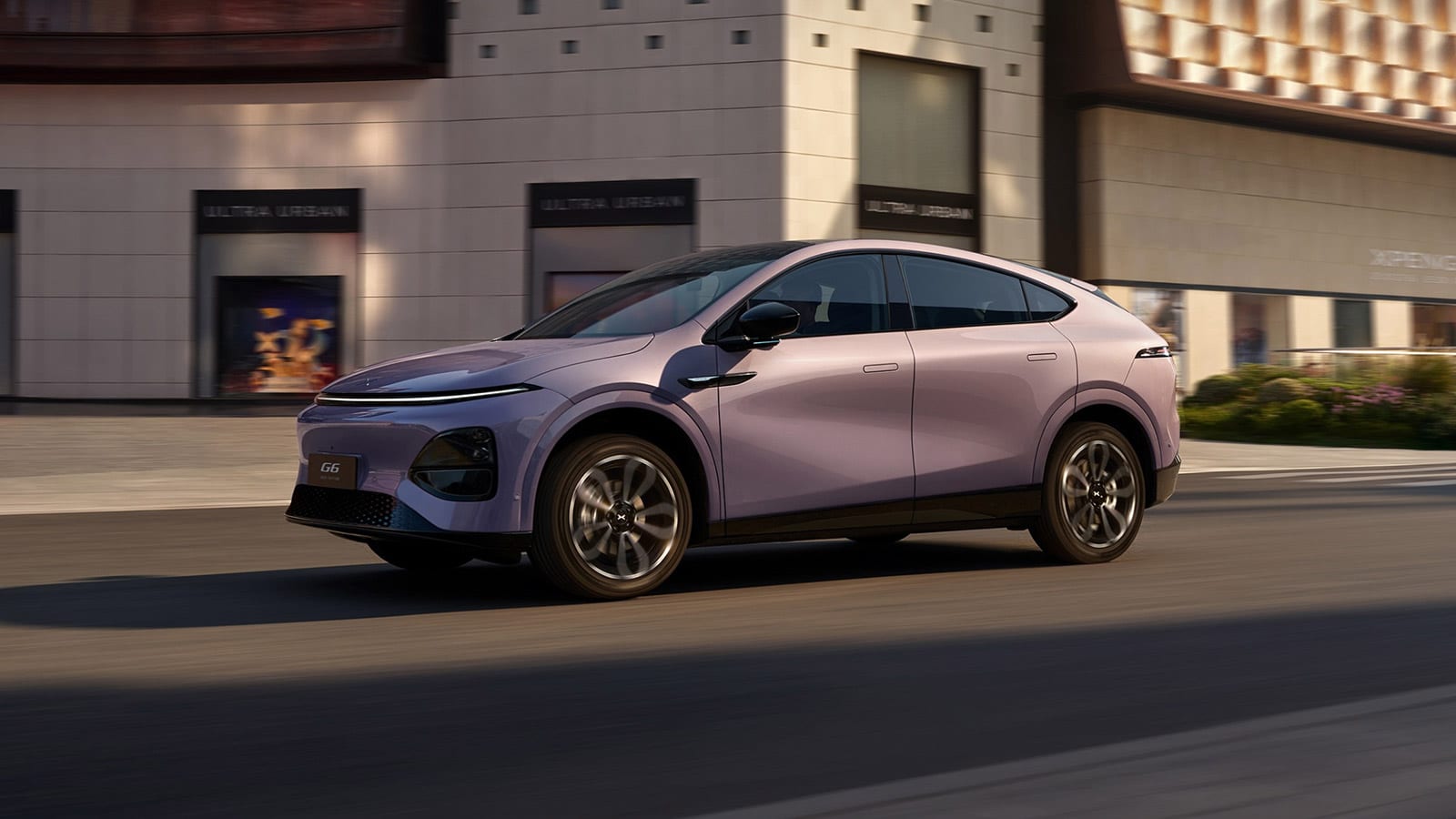
The anticipated recovery is expected to be supported by the launch of new products, including Xpeng’s recently introduced GX sport utility vehicle.
The company officially launched the new flagship SUV on May 20 as part of its strategy to expand further into the premium electric vehicle market.
Beyond its vehicle business, Xpeng continues to invest in artificial intelligence and autonomous mobility technologies.
“This year I will be dedicated to achieving the mass production of robotaxis and humanoid robots,” said He Xiaopeng, Chairman and Chief Executive Officer of Xpeng.
The company said it is working to build a broader ecosystem around physical AI technologies, which it views as potential long-term growth drivers beyond passenger vehicles.
Recent delivery data suggests sales may already be recovering.
Xpeng delivered 31,011 vehicles in April, representing a 13% increase compared with March, although volumes remained below year-earlier levels.
The results underscore the volatility that can accompany rapid growth in China’s electric vehicle market, where automakers continue to balance aggressive product expansion, pricing pressure and investments in next-generation technologies such as autonomous driving and robotics.
Despite the return to losses, improving margins and a stronger delivery outlook indicate that Xpeng expects momentum to improve as new models enter the market during the remainder of the year.


