
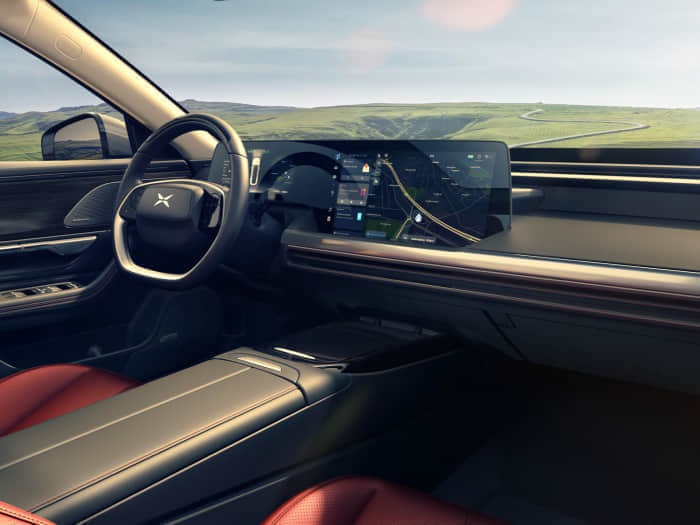
Chinese electric vehicle maker Xpeng is advancing plans to roll out a robotaxi service in 2025, betting on a vision-only self-driving system and its own AI chip to compete with Tesla’s Full Self-Driving (FSD) technology.
The Guangzhou-based company has developed the “Turing” chip to power its driver-assist platform, called XNGP, and is moving away from LiDAR in favor of camera-based vision. Xpeng says machine learning breakthroughs make the technology viable for navigating dense urban traffic.
Candice Yuan, who heads Xpeng’s autonomous driving division, said the firm’s Level 4 self-driving system – which does not require driver input – is already performing reliably in tests. “Firstly, drivers want efficiency. For example, if ADAS do the right thing, but the vehicle is slower than the driver expects, he will take over,” Yuan explained. “The driver cares about emotions and feelings, so we need to think as he thinks. We need to focus more on experience.”
The company’s work on Level 2+ autonomy, now available on its passenger vehicles, has proven more complex than higher levels, Yuan added, as human reactions often conflict with algorithmic decisions. She cited cases where drivers intervened despite the system calculating conditions as safe, such as narrow road passages or sudden accelerations.
Xpeng’s vision-only system, similar to Tesla’s FSD approach, learns from video clips of good and poor driving practices. The automaker said the technology could be deployed globally, though regulatory approvals remain a hurdle. Xpeng recently began localized EV production in Europe to sidestep import tariffs, positioning it for potential expansion of its self-driving platform outside China.
Source: CNC