


Xpeng has partnered with Google Maps to enhance the navigation and intelligent driving capabilities of its vehicles outside China, marking a significant step in the company’s global expansion strategy as it prepares to deploy next-generation assisted driving technology in overseas markets.
The announcement was made during the global launch of the new Xpeng Mona L03 in Munich, Germany, where Chairman and Chief Executive Officer He Xiaopeng unveiled the company’s latest international strategy. The new electric SUV coupe will be introduced across 64 countries and regions.
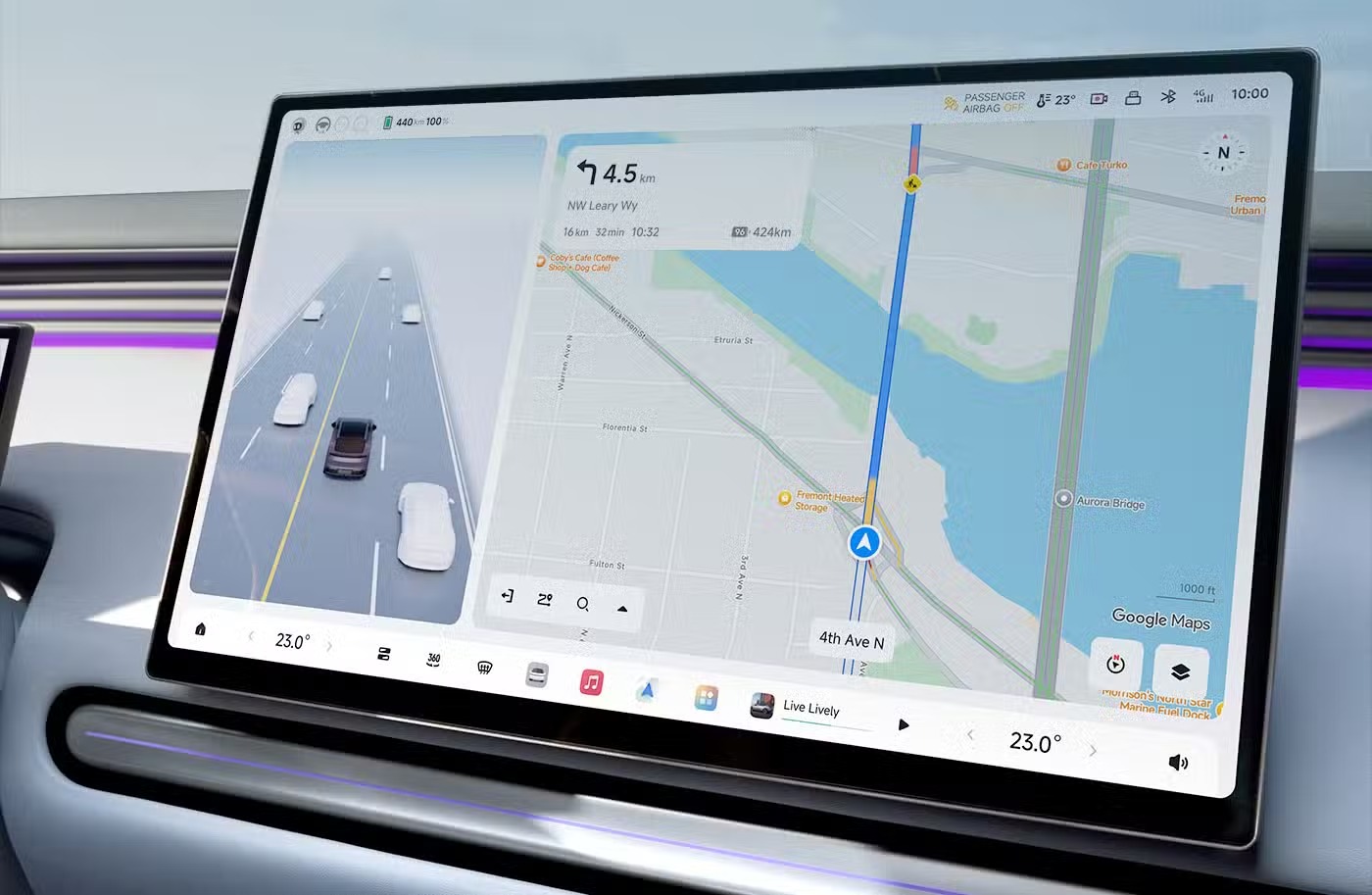
Under the collaboration, Xpeng will develop its own in-car navigation system using the Google Maps Auto Software Development Kit (SDK), allowing overseas customers to access Google’s mapping technologies through a navigation interface designed specifically for Xpeng vehicles.
Google Maps Becomes the Foundation for Overseas Smart Driving
The partnership enables Xpeng to integrate Google Maps’ core navigation capabilities directly into its vehicles without requiring users to install the Google Maps application or rely on smartphone screen mirroring.
Instead, drivers will use Xpeng’s native navigation application, while benefiting from Google’s underlying technologies, including real-time traffic information, electric vehicle route planning and energy estimation, intelligent destination search and navigation guidance.
The company will also integrate Google Maps’ in-vehicle Map Data Services into its flagship Next Generation Pilot (NGP) intelligent driving platform and Xpilot Assist, providing mapping support for advanced driver-assistance functions across most international markets.
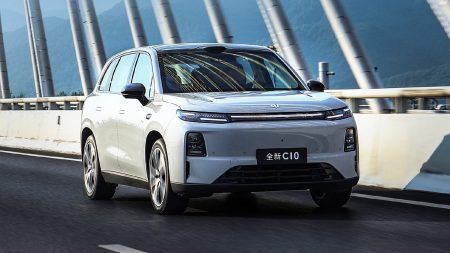
The Mona L03 will become the first Xpeng model to feature the upgraded navigation experience.
First Chinese Automaker to Adopt Google Maps Auto SDK
According to Xpeng, it is the first Chinese automaker and the first company from the Asia-Pacific region to launch production vehicles built on the Google Maps Auto SDK.
“Over 2 billion users turn to Google Maps each month, and we are pleased to bring our industry-leading technology to more drivers in Europe and beyond,” said Jorgen Behrens, Vice President and General Manager of Google Maps Automotive.
“In less than a year, Xpeng has successfully deployed a refreshed navigation experience, seamlessly combining their distinct design with our navigation expertise via Google Maps’ Auto SDK,” he added.
The collaboration is expected to provide an important technological foundation for Xpeng’s overseas intelligent driving roadmap, where navigation and high-quality map data are essential components for advanced assisted driving systems.
Supporting the Global Rollout of VLA 2.0
Xpeng said integrating Google Map Data Services with the Google Automotive platform removes a key barrier to the international deployment of its second-generation Vision-Language-Action (VLA 2.0) intelligent driving model.
Earlier this week, Xpeng completed the European localization acceptance test of the VLA 2.0 system in Germany, describing safety as the company’s highest priority as it works toward introducing advanced intelligent assisted driving technology to Europe.
The latest collaboration also complements Xpeng’s broader artificial intelligence strategy.
Earlier this month, the company completed the first order during the closed beta testing of its robotaxi service, representing another milestone in the commercialization of autonomous ride-hailing technology.
Last month, Xpeng introduced X-Mind, an artificial intelligence framework designed to enable vehicles to anticipate how surrounding traffic conditions are likely to evolve before making driving decisions.