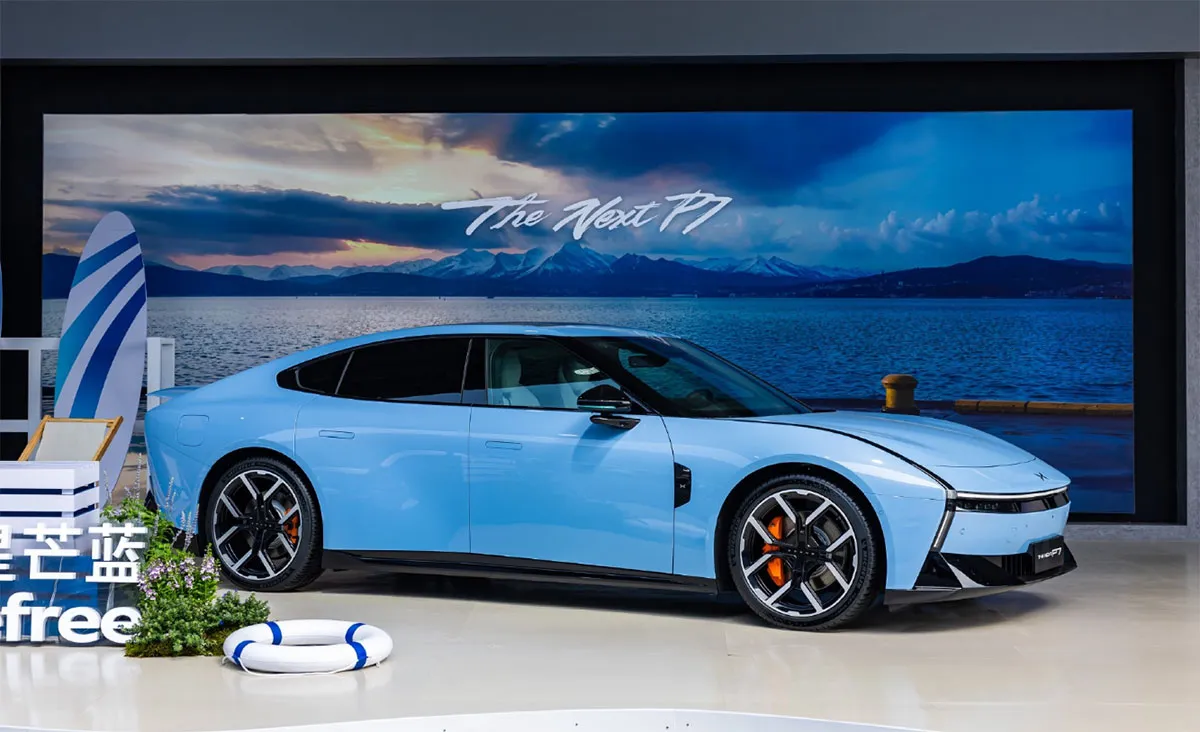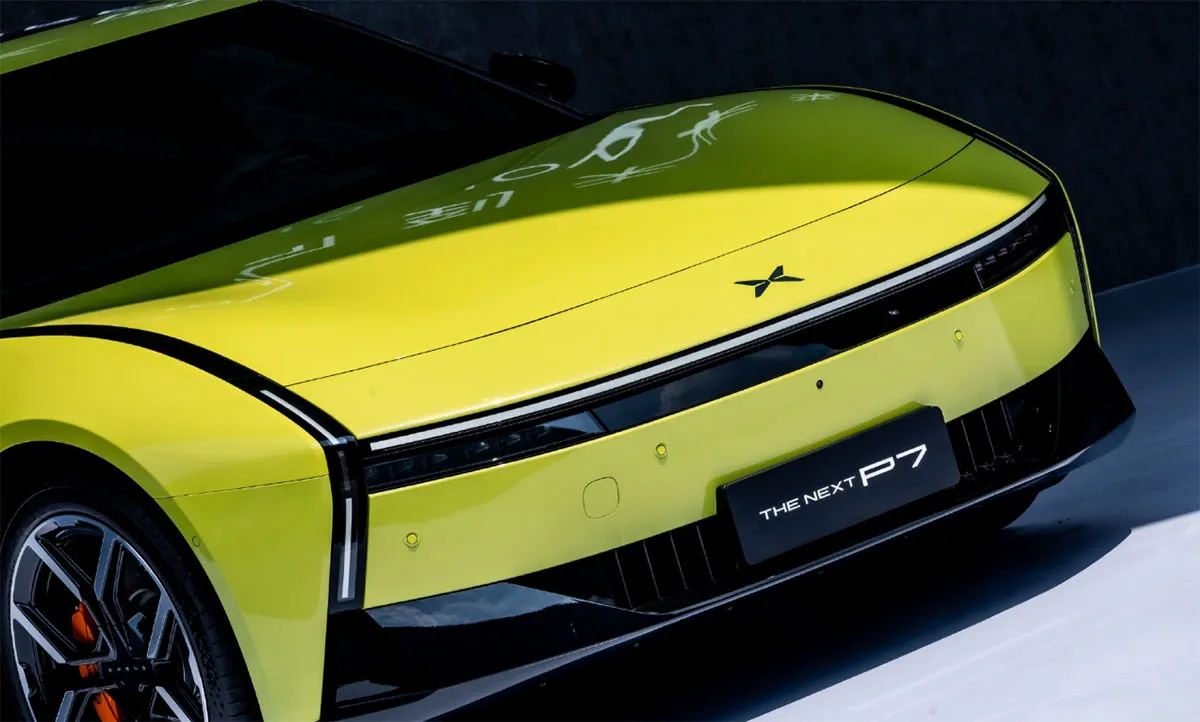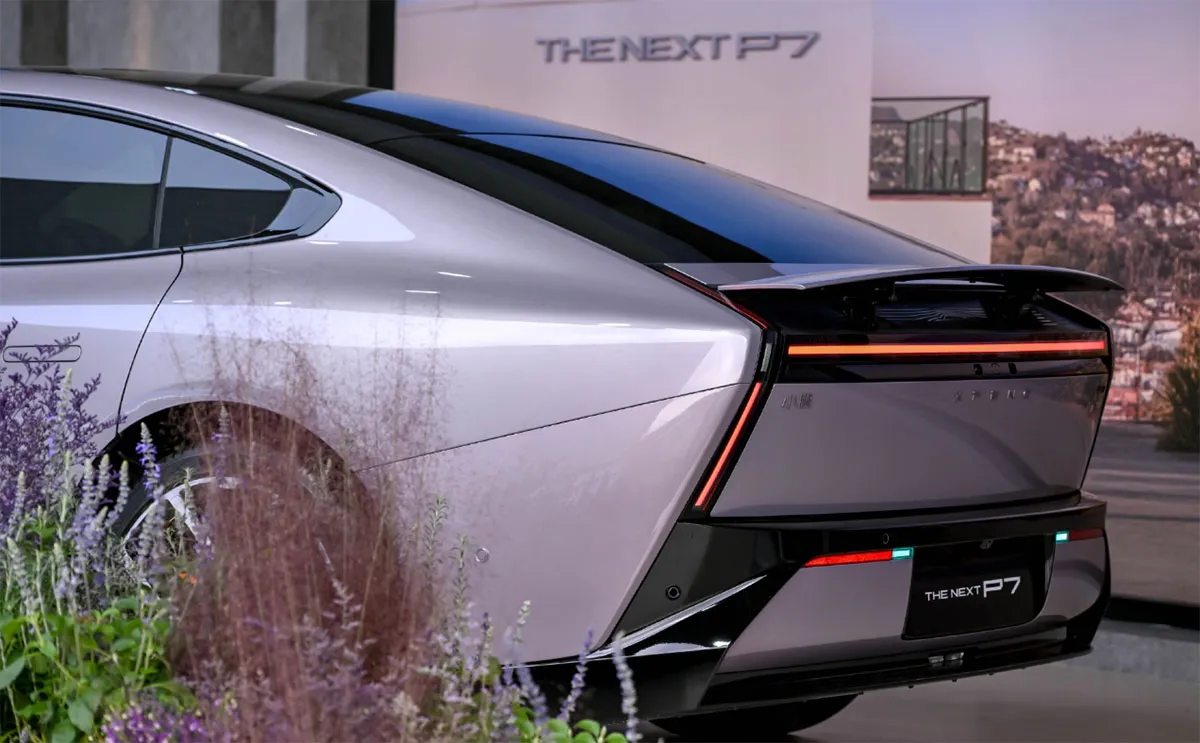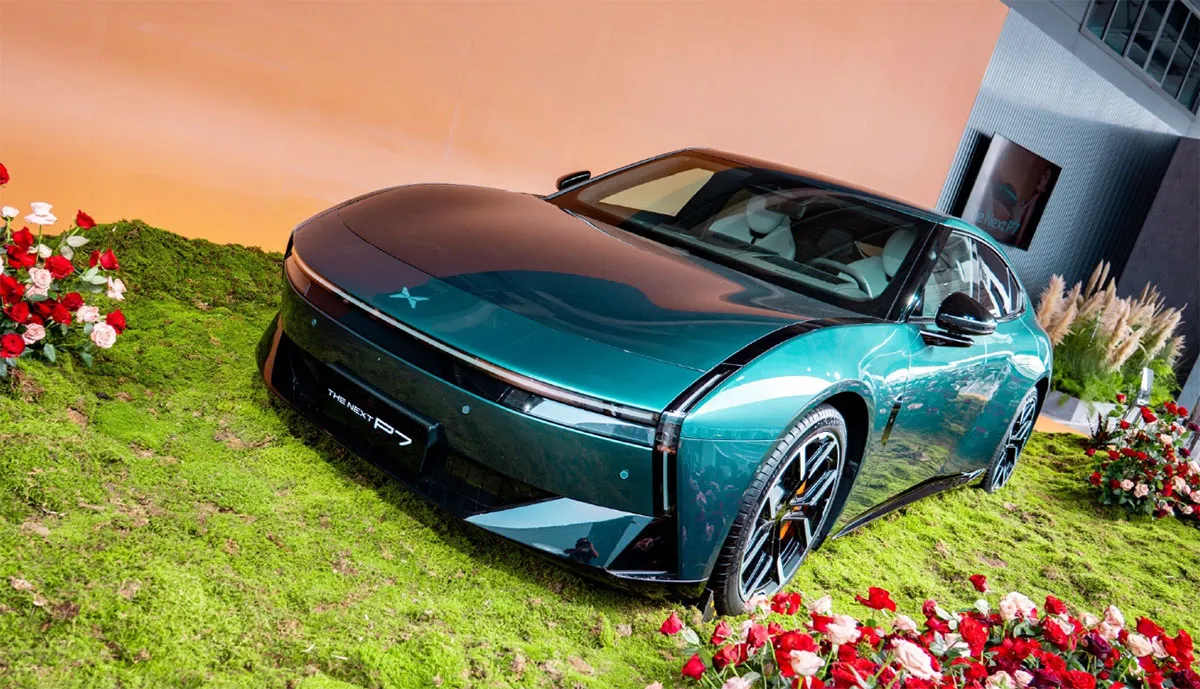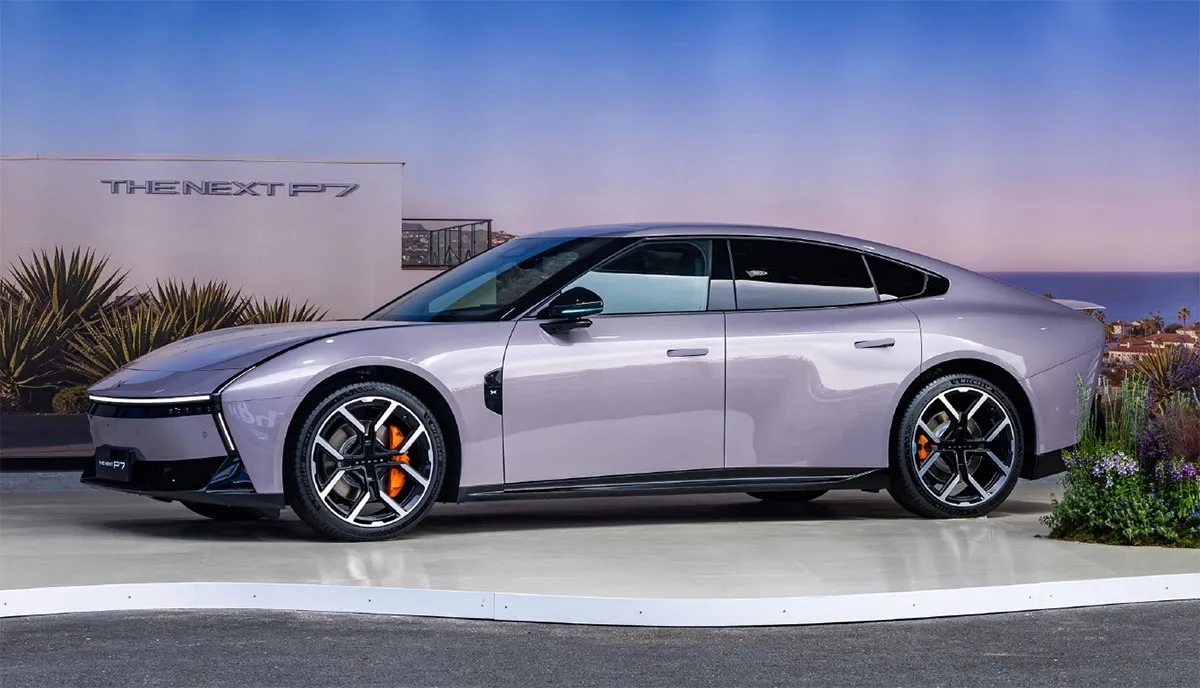
Xpeng on Wednesday launched its next-generation P7, a dramatic overhaul of its flagship electric sedan, introducing a lower entry price and new artificial intelligence capabilities as it aims to strengthen its foothold in China’s crowded EV sector.
The new model debuted at the company’s Guangzhou headquarters with a starting price of 219,800 yuan ($30,700), well below the 300,000 yuan price point Xpeng had previously suggested.
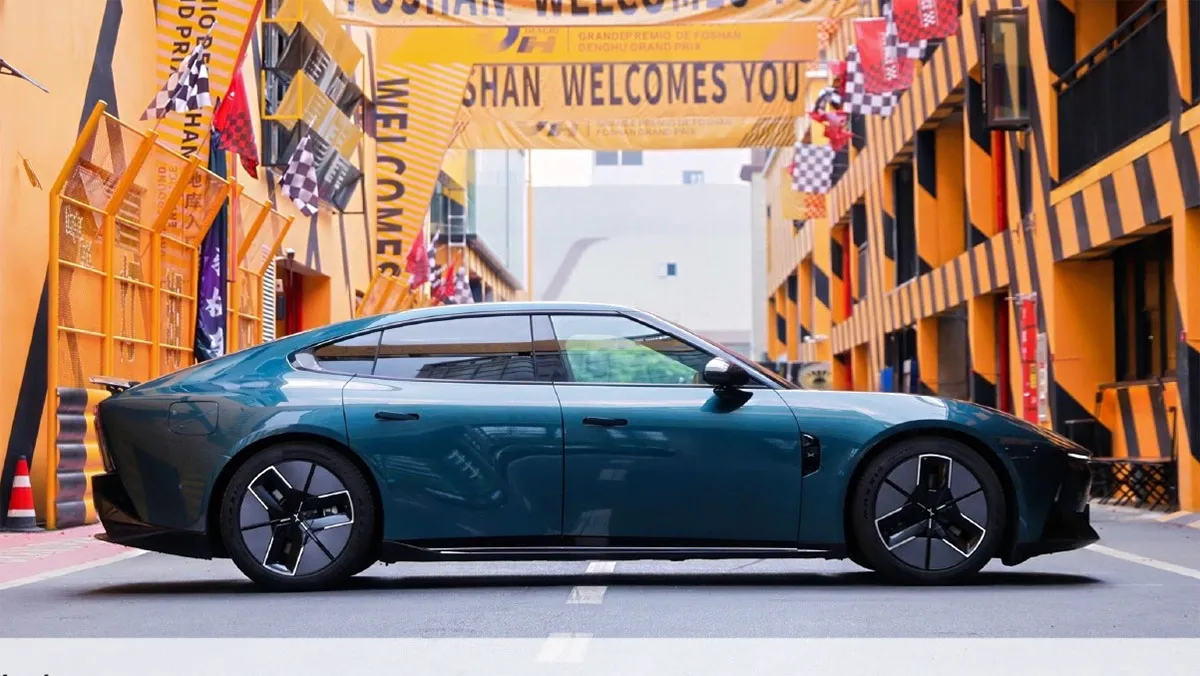
Four Ultra editions were introduced, ranging from 219,800 yuan to 301,800 yuan. Shortly after the event, Xpeng announced on Weibo that the car had already secured more than 10,000 confirmed orders within the first seven minutes of launch.
First unveiled as a concept at the Shanghai auto show in April 2019, the P7 became Xpeng’s first production sedan in 2020, with deliveries beginning in the middle of that year. Its sleek design helped establish the brand as a challenger in China’s premium EV segment.
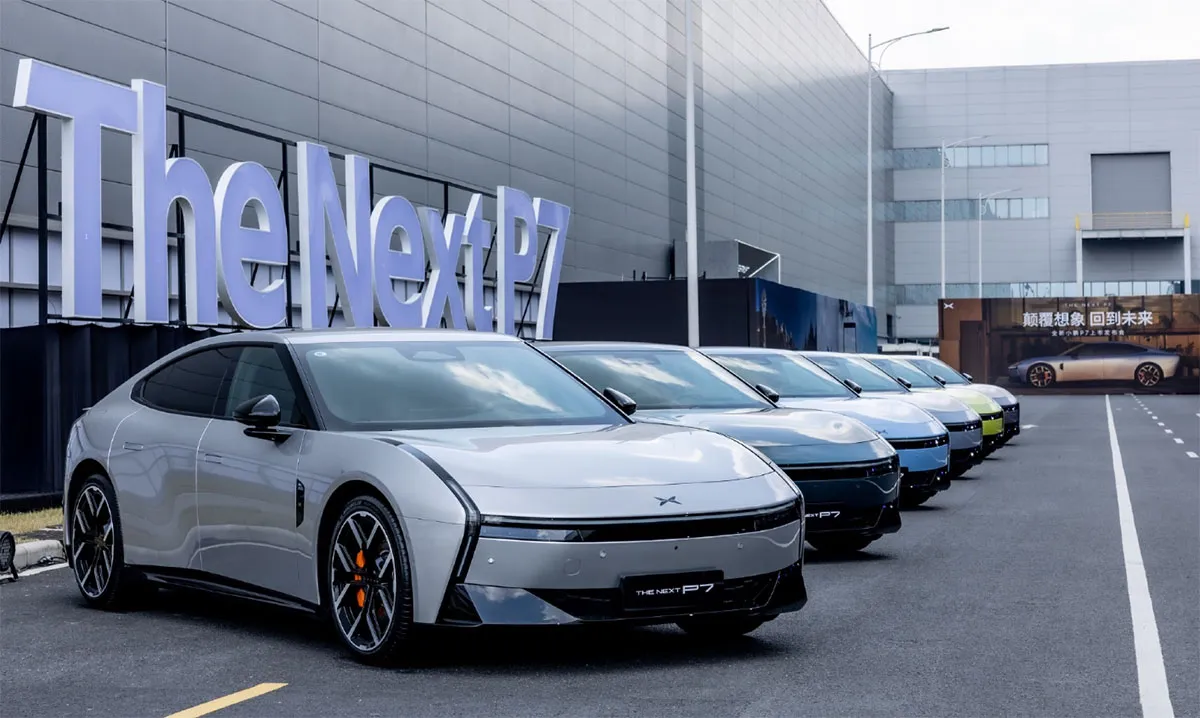
The latest iteration builds on that legacy, targeting younger and style-conscious consumers with a sportier exterior while introducing significant updates to the powertrain, battery platform, and onboard intelligence systems.
Xpeng has equipped all four variants of the new P7 with three of its self-developed Turing AI chips, offering a combined effective computing power of 2,250 trillion operations per second (TOPS). Two chips are dedicated to the smart driving system, while the third powers cabin services. The setup mirrors the Ultra edition of the company’s G7 SUV, making the two vehicles the most powerful in terms of smart driving computational capacity among Chinese EVs to date.
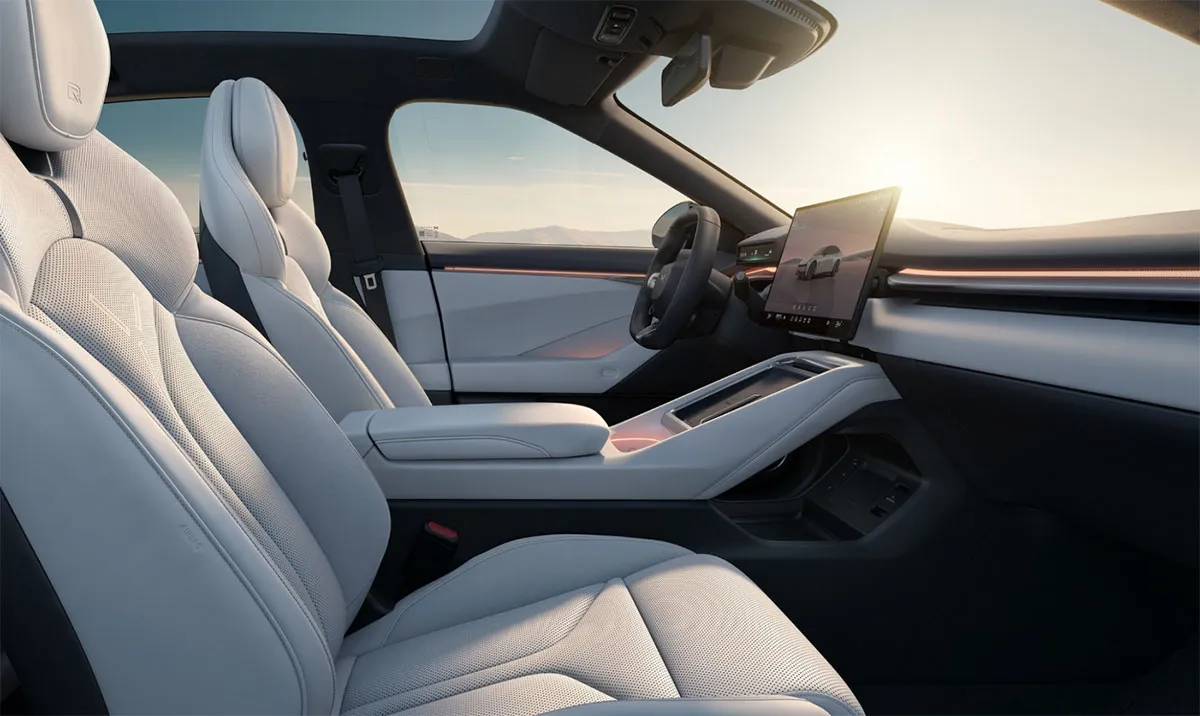
With this hardware, the sedan supports Vision-Language-Action (VLA) and Vision-Language Models (VLM), which allow the vehicle to interpret driving scenarios more proactively, including independently determining optimal routes. Inside the cabin, the VLM model enables enhanced interaction and personalized services, extending Xpeng’s push into intelligent cockpit experiences.
Built on an 800-volt high-voltage architecture, the new P7 incorporates a battery pack capable of 5C ultra-fast charging, delivering 525 kilometers of range in just 10 minutes of charging. Customers can choose from three range options: 702 km, 750 km, and 820 km.
Performance varies across the lineup. The two lower-priced models feature a single rear-wheel-drive motor, accelerating from 0 to 100 km/h in 5.4 or 5.8 seconds.
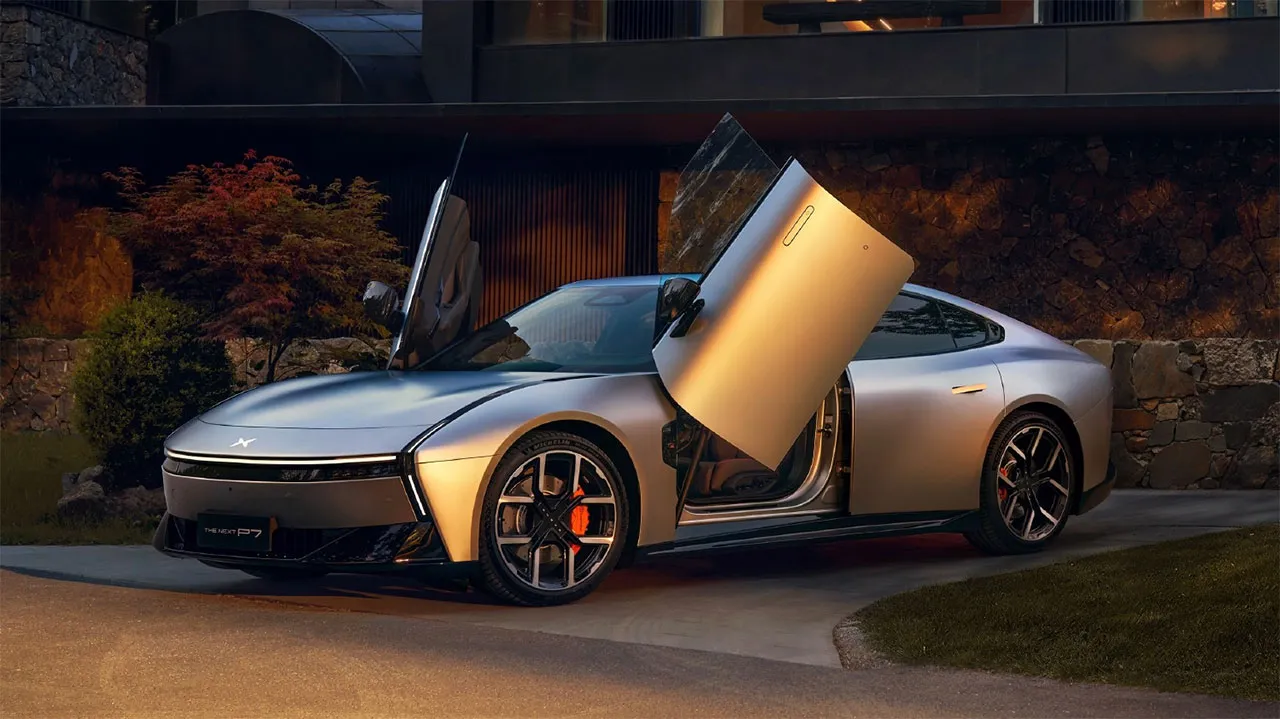
The higher-tier editions add dual motors with all-wheel drive, cutting acceleration time to 3.7 seconds. At the top end, the Wing Edition retains scissor doors, a feature carried over from the original P7.
Measuring 5,017 mm in length, 1,970 mm in width, and 1,427 mm in height, with a wheelbase of 3,008 mm, the new sedan is slightly larger than its predecessor, offering a more spacious cabin to match its performance and intelligence-focused upgrades.