



Xiaomi’s electric vehicle unit reported a new delivery milestone in December, surpassing 50,000 units for the first time as demand for its models continued to rise, according to a statement released by the company on Weibo today.
The company did not disclose an exact figure but confirmed that December deliveries exceeded the 50,000 mark. This followed deliveries of 46,249 vehicles in November, which represented a 99.73 percent year-on-year increase, though down 4.94 percent from October. From January through November, Xiaomi EV delivered a total of 361,625 vehicles, bringing cumulative deliveries to 501,096 units.
See also: Xiaomi Plans Four New EV Launches in 2026, Including First Extended-Range Models

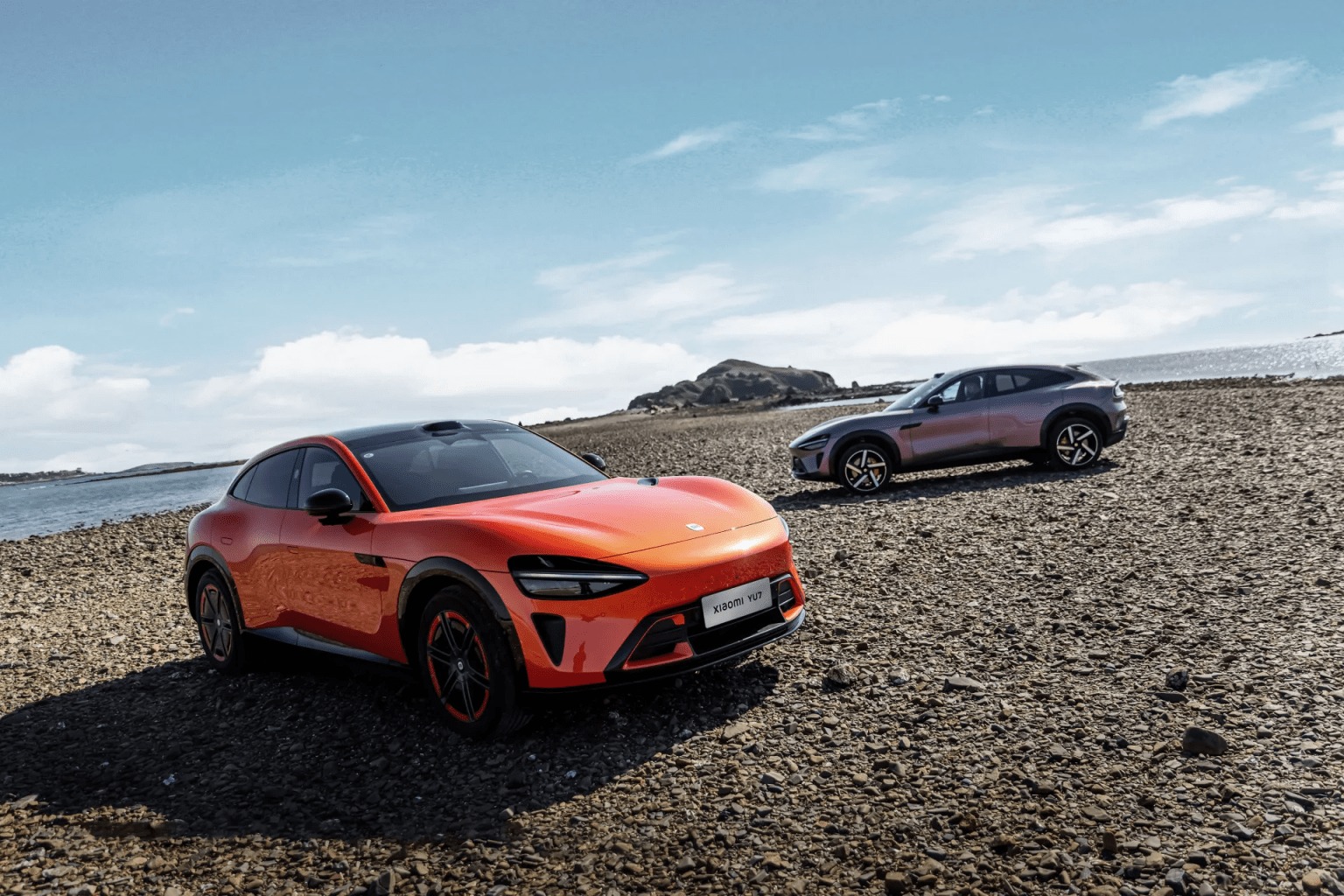
Xiaomi EV said it now operates 477 retail stores across 138 cities in China, supported by 264 service centers in 151 cities. The company also announced a limited-time financing promotion for its YU7 sport utility vehicle, offering a three-year zero-interest plan through the end of February, with customer benefits valued at up to RMB 48,000 ($6,860).
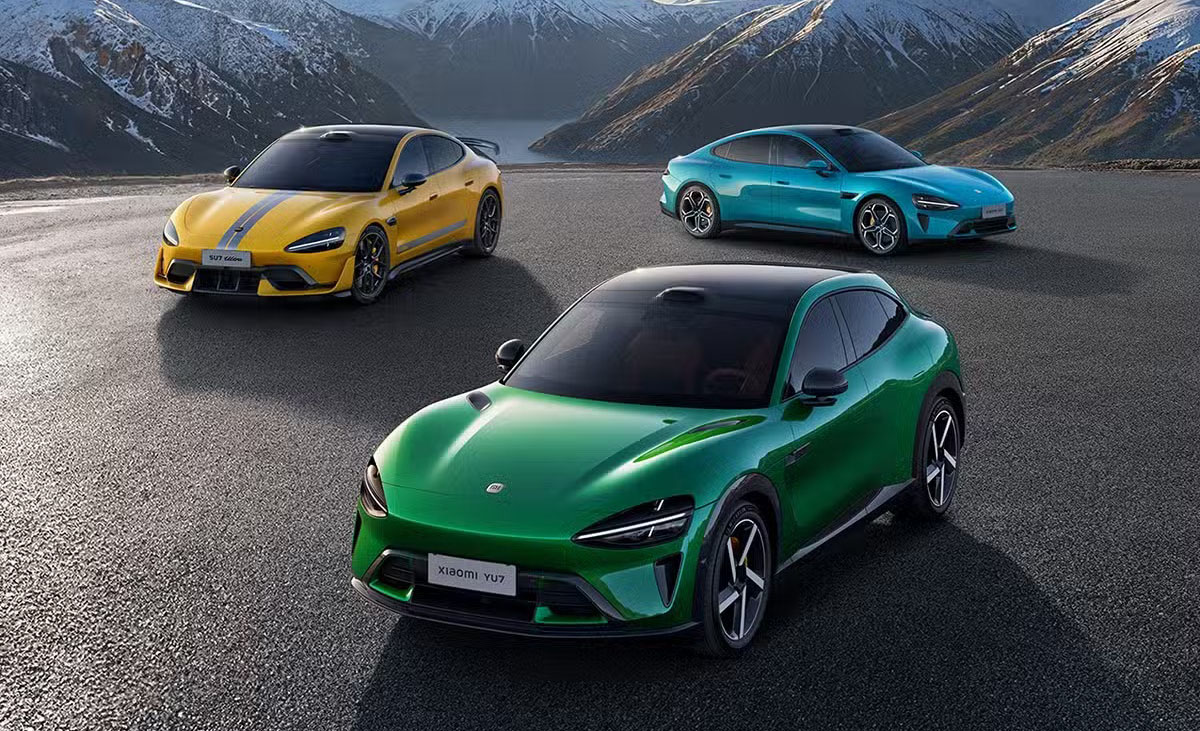
The YU7, Xiaomi’s first electric SUV, was launched in June and began deliveries in early July. It has since become a key driver of sales growth, with more than 150,000 units delivered within its first six months on the market, according to the company. Xiaomi’s product lineup also includes the SU7 sedan.
See also: Chinese Court Orders Xiaomi-Linked Firms to Double-Refund EV Deposit

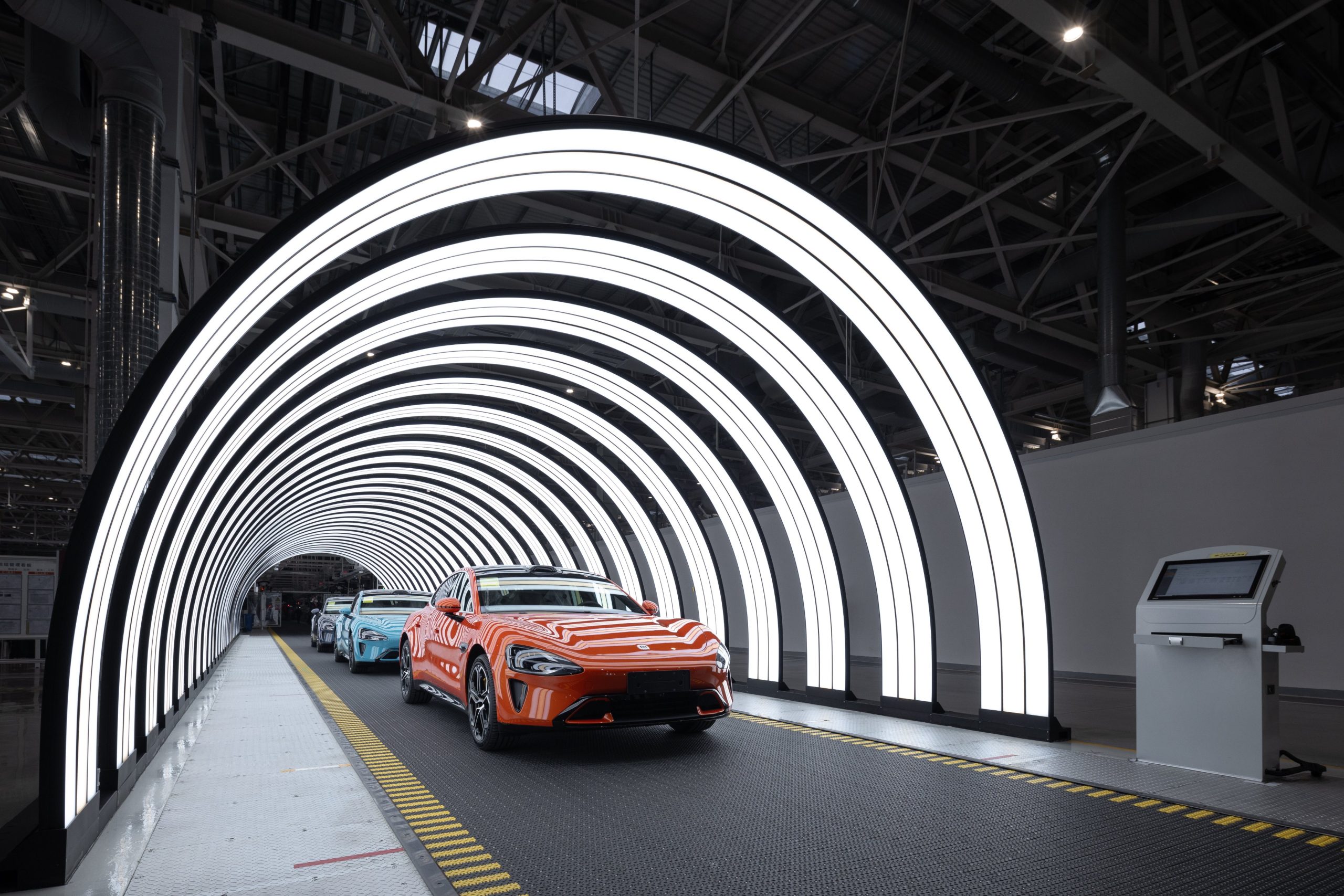
Looking ahead, Xiaomi is preparing to broaden its electric vehicle portfolio. Local media outlet 36Kr reported that the company plans to introduce four new models in 2026, including updated versions of the SU7 and new extended-range vehicles. These moves would mark Xiaomi’s entry into the extended-range EV segment as it seeks to strengthen its position in China’s highly competitive automotive market.


