
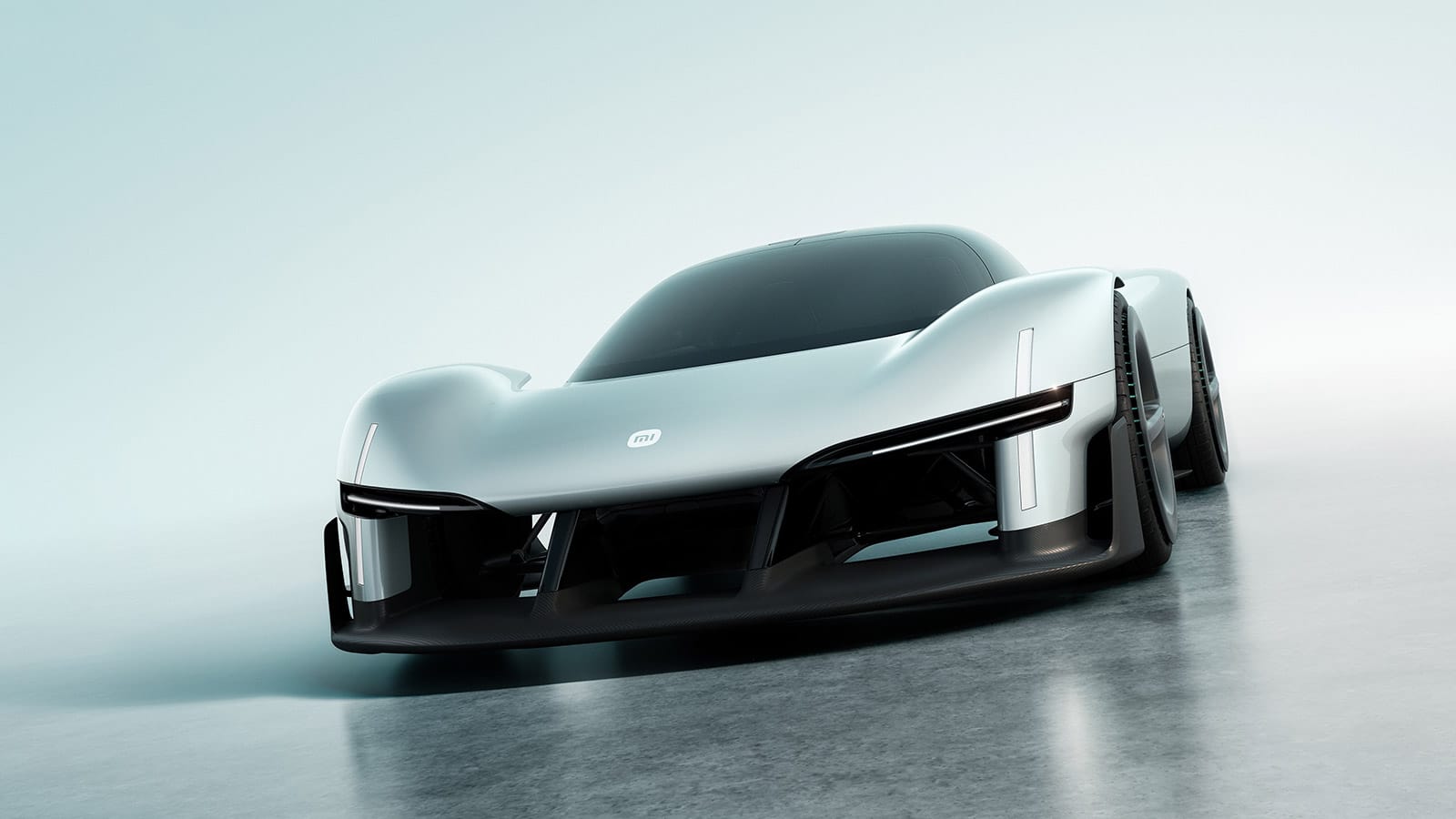
Xiaomi has unveiled its Vision GT two-door electric supercar concept ahead of the 2026 Mobile World Congress (MWC) in Barcelona, underscoring the Chinese technology group’s expanding ambitions in the global electric vehicle market.
The all-electric Vision GT debuted on Feb. 28 and marks Xiaomi’s participation in the Gran Turismo project, a virtual racing initiative that has traditionally featured European luxury brands such as Mercedes-Benz, Porsche and Ferrari. The concept will be displayed at MWC, scheduled for March 2–5 at the Fira Gran Via exhibition center in Barcelona.
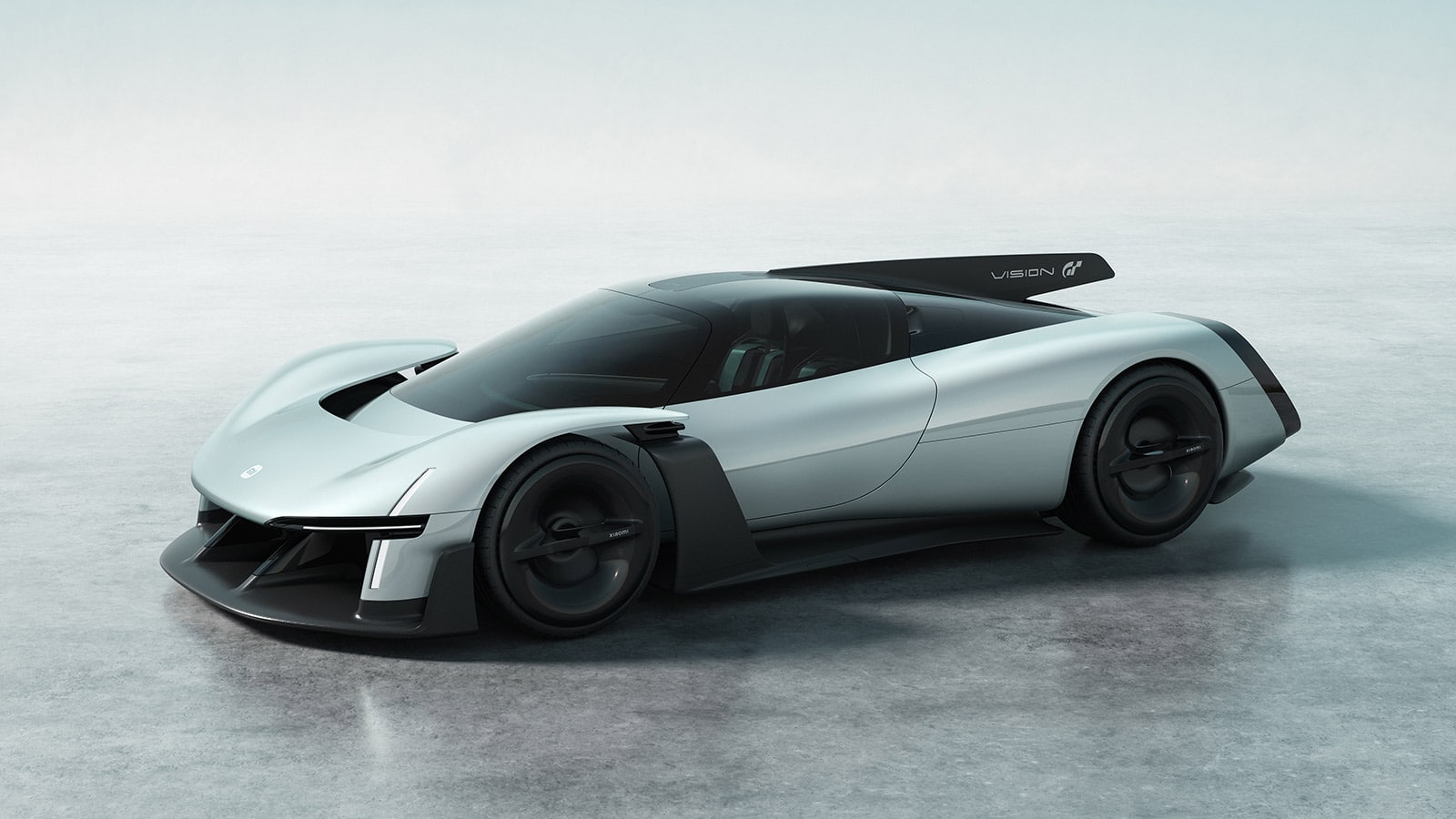
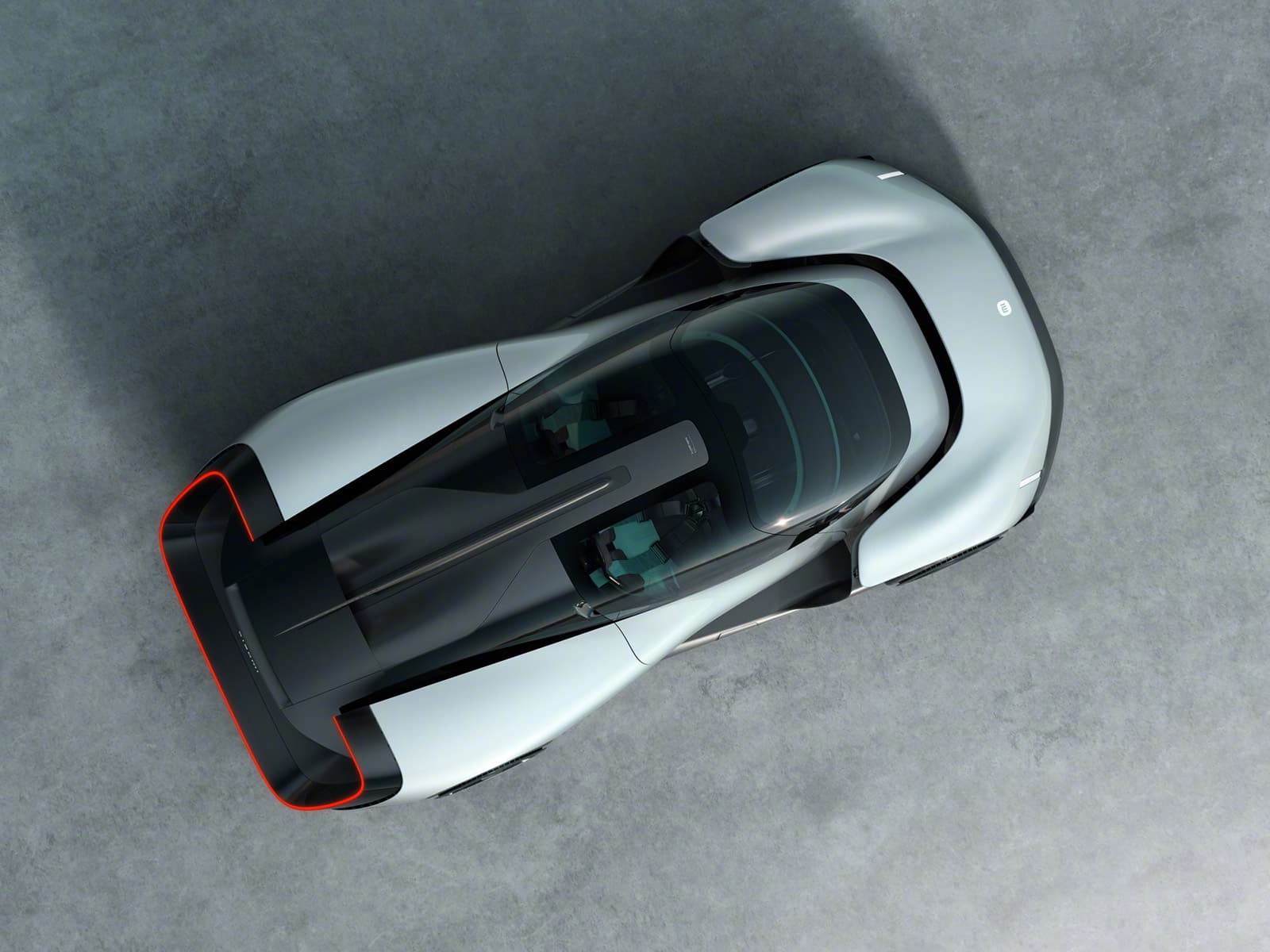
Built on Xiaomi’s 900-volt silicon carbide platform, the Vision GT features a low-slung, wide-body design with scissor doors, a prominent carbon-fiber rear wing and center-lock wheels fitted with carbon-ceramic brakes. The company said the design follows a “less is more” philosophy, with each body element serving a specific aerodynamic purpose.
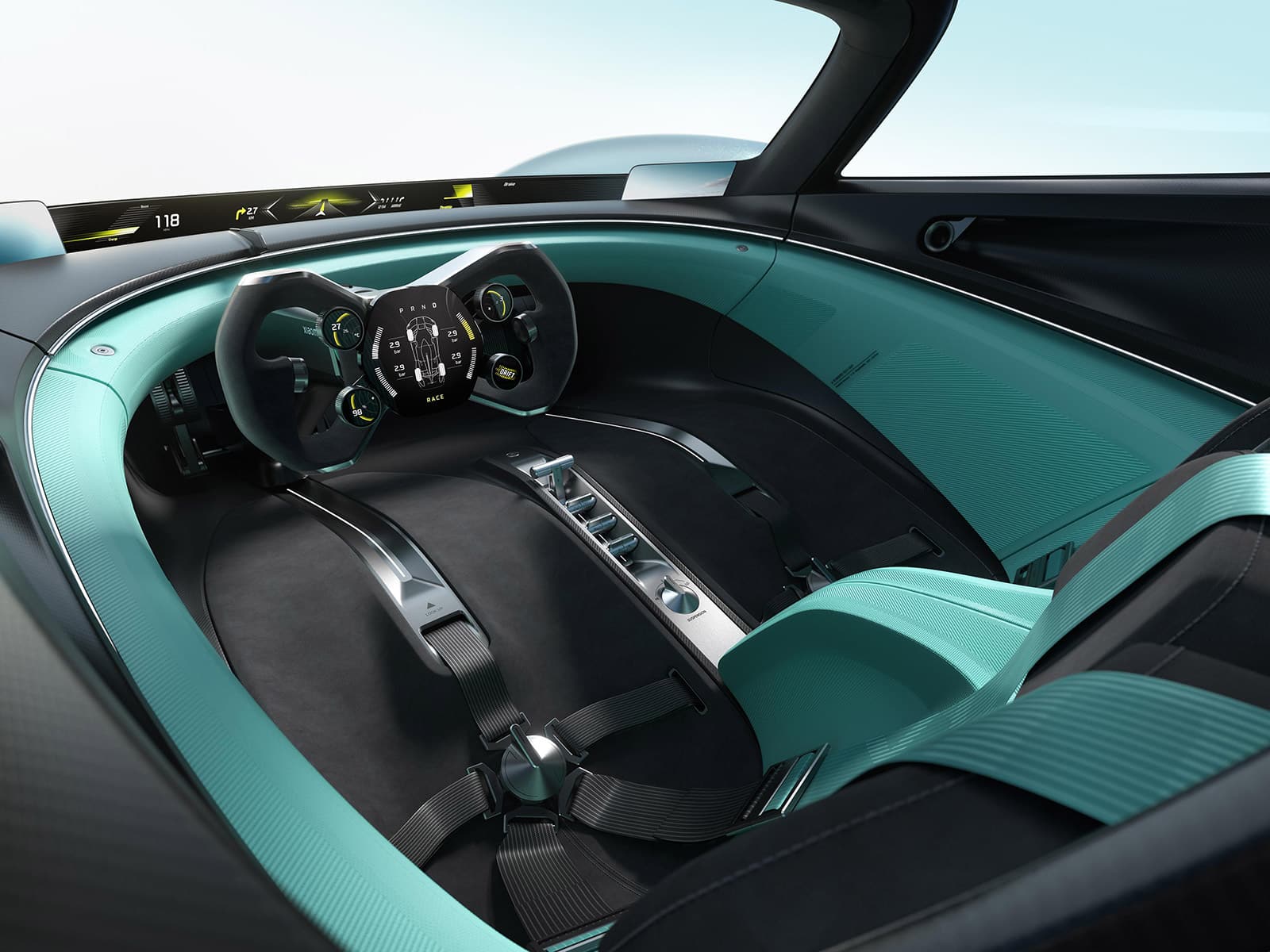
Inside, the vehicle incorporates a panoramic display and is integrated with Xiaomi’s broader ecosystem of devices and smart home products. Physical controls, including a circular dial and a throttle-style gear selector, remain part of the cockpit layout.
The concept’s powertrain is expected to produce around 1,900 horsepower, positioning it among the most powerful virtual models in the Gran Turismo series. The Vision GT will be featured in Gran Turismo 7, and Xiaomi has also developed a dedicated driving simulator to broaden public engagement.
Xiaomi’s high-performance positioning builds on the launch of the SU7 Ultra production model, which the company said achieved a record lap time for a production electric vehicle at Germany’s Nürburgring Nordschleife last year. The SU7 Ultra, rated at 1,548 Ps, went on sale in China in February 2025 with a starting price of 529,900 yuan ($77,270).
Separately, Xiaomi said its electric vehicle unit delivered more than 20,000 vehicles in February, without disclosing a precise figure. Deliveries had reached a record 50,212 units in December before declining to 39,002 in January. The February decrease was attributed to the Lunar New Year holiday and a model transition period.
The majority of current deliveries are of the YU7 electric SUV, while the first-generation SU7 sedan was discontinued earlier this month. A next-generation SU7 is expected to launch in April.