

Xiaomi’s electric vehicle division has confirmed that Sky Nomad will be introduced as a new vehicle series rather than a standalone sub-brand, while revealing the exterior design of its first model for the first time.
The company announced the update through its official Weibo account, describing Sky Nomad, also referred to as Xiaomi Pengcheng, as a new product line within Xiaomi EV.
Founder, Chairman and Chief Executive Lei Jun said the company’s existing SU7 and YU7 models were designed as “driver’s cars,” while the Sky Nomad series will focus on creating an “intelligent, transformable large-space SUV.”
“These are two different answers Xiaomi has delivered to different user needs over its more than five years of carmaking,” Lei wrote.
New SUV Focuses on Flexible Interior Space
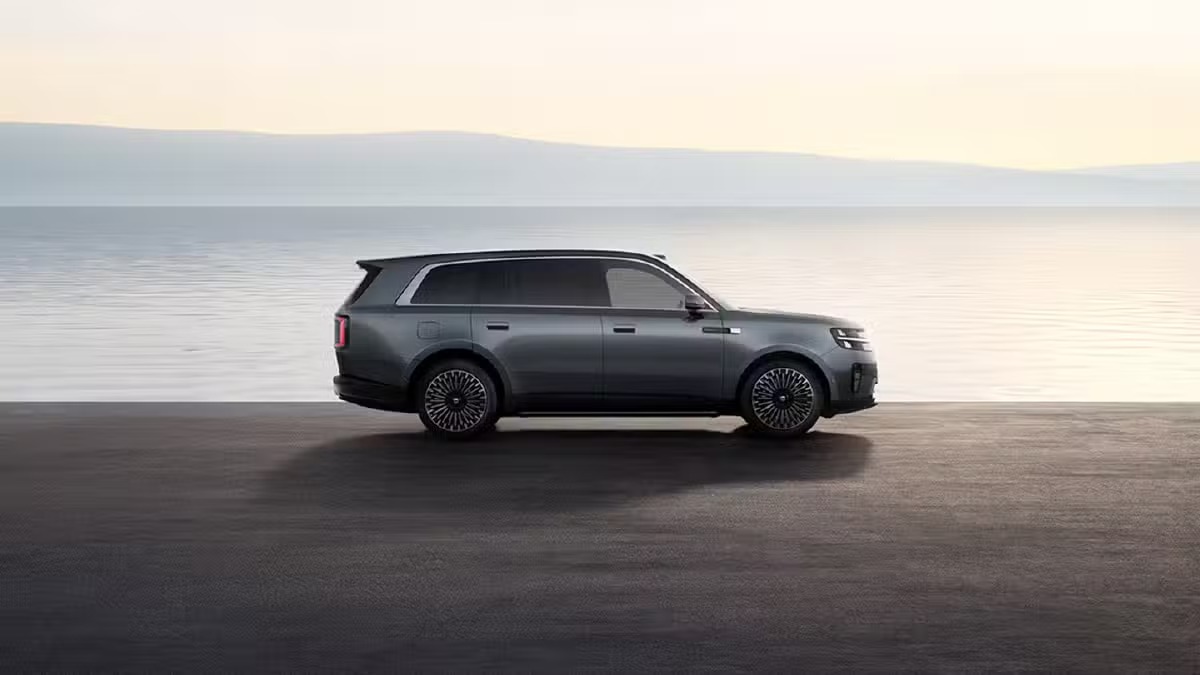
Xiaomi also released official images showing the side profile of the new sport utility vehicle (SUV), which features a more angular and rugged design than the company’s current models.
According to Lei, development of the Sky Nomad lineup took more than three years and was centered on creating a vehicle that functions as a flexible living space rather than solely a means of transportation.
“The interior space should not be fixed, but should change freely with users’ needs.”
Lei said the vehicle is intended to serve multiple purposes when parked, functioning as “a studio for one, a café for two, a reception room for three, or a playground for the whole family.”
To support that concept, Xiaomi began developing a new vehicle platform known as the Xiaomi Kunlun architecture in early 2023.
The company said the SUV’s flat floor and extended seat rail system will enable intelligent reconfiguration of the cabin layout.
Lei added that delivering such a vehicle requires combining artificial intelligence, a connected smart ecosystem and advanced manufacturing capabilities.
Launch Planned as Xiaomi Expands EV Lineup
Lei said the Sky Nomad series will be launched soon but did not provide a specific release date.
He noted that many vehicles in China’s market already offer features such as large cabins and premium interior equipment, but consumer expectations are increasingly shifting toward vehicles that function as flexible living spaces.
Local media have previously reported that the first Sky Nomad model, internally codenamed Kunlun N3, will be a full-size extended-range electric SUV measuring more than 5.3 meters in length.
According to those reports, the vehicle is expected to feature a battery pack exceeding 70 kilowatt-hours, providing an electric-only driving range of 400 to 500 kilometers.
The model is also expected to be priced from around 200,000 yuan (approximately $29,400), placing it in competition with extended-range SUVs from Li Auto and Aito.
Earlier this year, documents released by China’s Ministry of Industry and Information Technology showed Xiaomi EV had received approval to manufacture extended-range electric passenger vehicles at its Beijing production facility, expanding beyond its existing battery electric vehicle lineup.
The Sky Nomad series forms part of Xiaomi’s broader expansion strategy for 2026. The company has set a vehicle delivery target of 550,000 units for the year, compared with approximately 410,000 units delivered in 2025.
During the first half of the year, Xiaomi EV delivered 185,055 vehicles, leaving the company needing to average roughly 60,000 deliveries per month during the second half to achieve its annual target.