
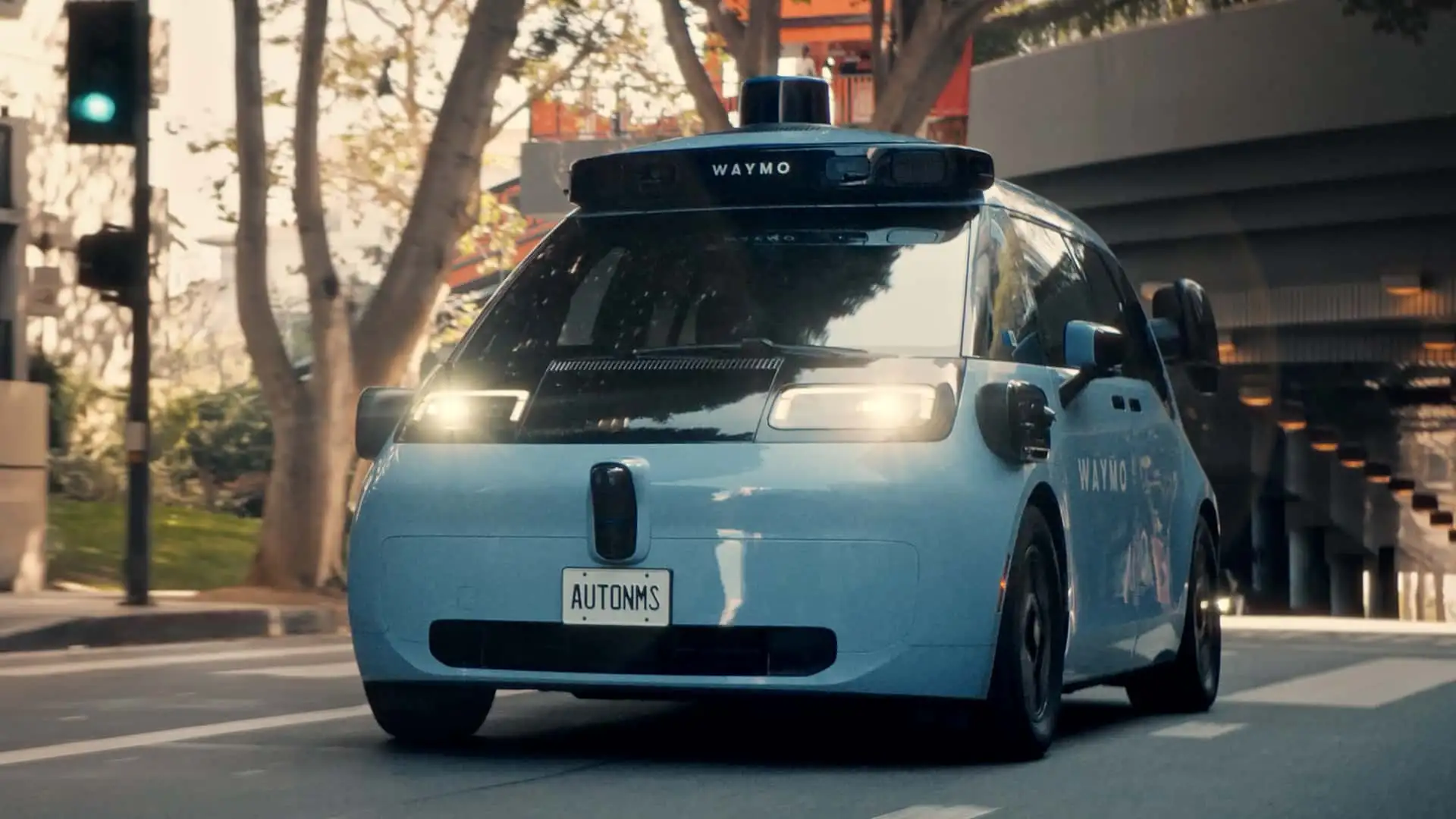
Waymo has begun offering paid rides in its next-generation robotaxis, putting its Zeekr-built electric vans into regular passenger service for the first time. The vehicles, known as Ojai, are initially operating in San Francisco, Los Angeles and Phoenix and use Waymo’s sixth-generation autonomous driving system.
Ojai Enters Regular Passenger Service
The transition to paid rides follows a limited testing period in which Waymo offered free trips in the new vehicles.
Customers booking rides through Waymo’s service in San Francisco, Los Angeles and Phoenix will initially be assigned either an Ojai robotaxi or one of the Jaguar I-Pace vehicles already operating in the fleet.
As additional Ojai vehicles enter service, Waymo plans to allow customers to choose between the two vehicle types.
The electric vans feature sliding doors and can accommodate up to four passengers. Waymo says the configuration is particularly suited to groups and families compared with the Jaguar I-Pace.
Zeekr Vehicles Receive Waymo Technology in the U.S.
The Ojai vehicles are manufactured by Zeekr, a Geely Group subsidiary, but they are not shipped to the United States with Waymo’s autonomous driving equipment already installed.
Waymo Expands Robotaxi Operations Across California With New CPUC Approval
Zeekr supplies the vehicles without the connected vehicle technology, after which Waymo installs its autonomous driving system at a facility in Arizona.
According to media reports, the sixth-generation system uses 13 cameras, four lidar sensors and six radar sensors. Waymo has also updated the autonomous-driving software, with the company expecting the system to perform more reliably in challenging conditions such as snow and fog.
Fleet Expansion Planned
Waymo currently has around 300 Ojai robotaxis operating in service, according to a company spokesperson.
The company expects thousands of additional vehicles to arrive in the United States by the end of 2026. Later this year, Waymo also plans to make the new-generation robotaxis available to selected users in Denver, Las Vegas and San Diego.
Las Vegas is expected to become an important expansion market. The Nevada Department of Transportation has approved Waymo to operate a commercial robotaxi service with a maximum fleet of 1,000 vehicles in Clark County.
IIHS Study Finds Waymo Robotaxis Recorded Fewer Crashes Than Human Drivers
Tesla and Uber have received similar approvals in the region. The approved fleet limits represent maximum permitted fleet sizes rather than commitments to deploy that number of vehicles.
Zeekr Platform Supports Robotaxi Expansion
The Ojai platform is also important to Waymo’s plans to expand its autonomous ride-hailing service at lower operating costs.
The Zeekr-built vans are expected to be less expensive to purchase and operate than the Jaguar I-Pace, despite higher U.S. import tariffs on vehicles manufactured in China.
With the start of paid passenger service, Waymo is moving the Ojai from testing into regular commercial operations. The platform is expected to form a larger part of the company’s robotaxi fleet as Waymo expands into additional U.S. markets.