




Volvo Cars said on Friday that steep U.S. tariffs could severely impact its ability to sell one of its most affordable electric vehicles in the American market, as trade tensions between Washington and Brussels threaten to escalate.
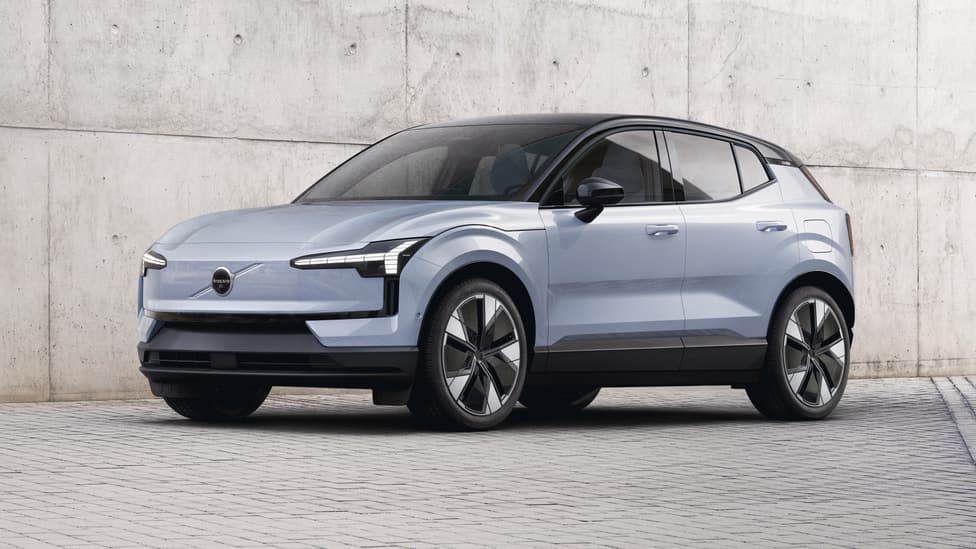
Chief Executive Hakan Samuelsson told Reuters that a proposed 50% tariff on European Union goods, recently floated by former U.S. President Donald Trump, would likely price the Belgium-made EX30 electric vehicle out of the market.
“That would of course be almost impossible,” Samuelsson said, referring to the effect such a tariff would have on U.S. imports of the model. “The EX30 is very severely hit.”
Volvo had initially planned to launch the EX30, which is targeted at cost-conscious EV buyers, with production in China. However, existing tariffs prompted the company to shift output for U.S. models to Ghent, Belgium, with production beginning there in April. The base price in the U.S. now stands at $46,195, up from the originally planned $35,000.
Trump said on Friday that he was recommending a flat 50% tariff on EU imports starting June 1, citing what he described as difficult trade relations with the bloc. The move, if implemented, could increase uncertainty for global automakers, many of whom rely on complex international supply chains and production networks.
Volvo, which imports most of its U.S. vehicles from Europe, is among those watching the situation closely. Last year, the U.S. accounted for 16% of Volvo Cars’ global sales.
In response, the company is preparing to expand production at its Charleston, South Carolina plant, where a new mid-sized plug-in hybrid model could be added, according to previous company statements.
While the automaker is bracing for potential trade disruptions, Samuelsson expressed optimism that negotiations could still yield a resolution.
“I believe there will be a deal soon. It could not be in the interest of Europe or the U.S. to shut down trade between them,” he said.
Rival automakers such as Ford, General Motors, and Toyota import lower-cost vehicles from Mexico, South Korea, and Japan — countries not directly impacted by the proposed EU tariffs — allowing them more flexibility in pricing and supply to the U.S. market.
For Volvo, the uncertainty underscores the risks for European carmakers navigating shifting geopolitical dynamics as they push into the competitive EV market.
Source: Reuters


