



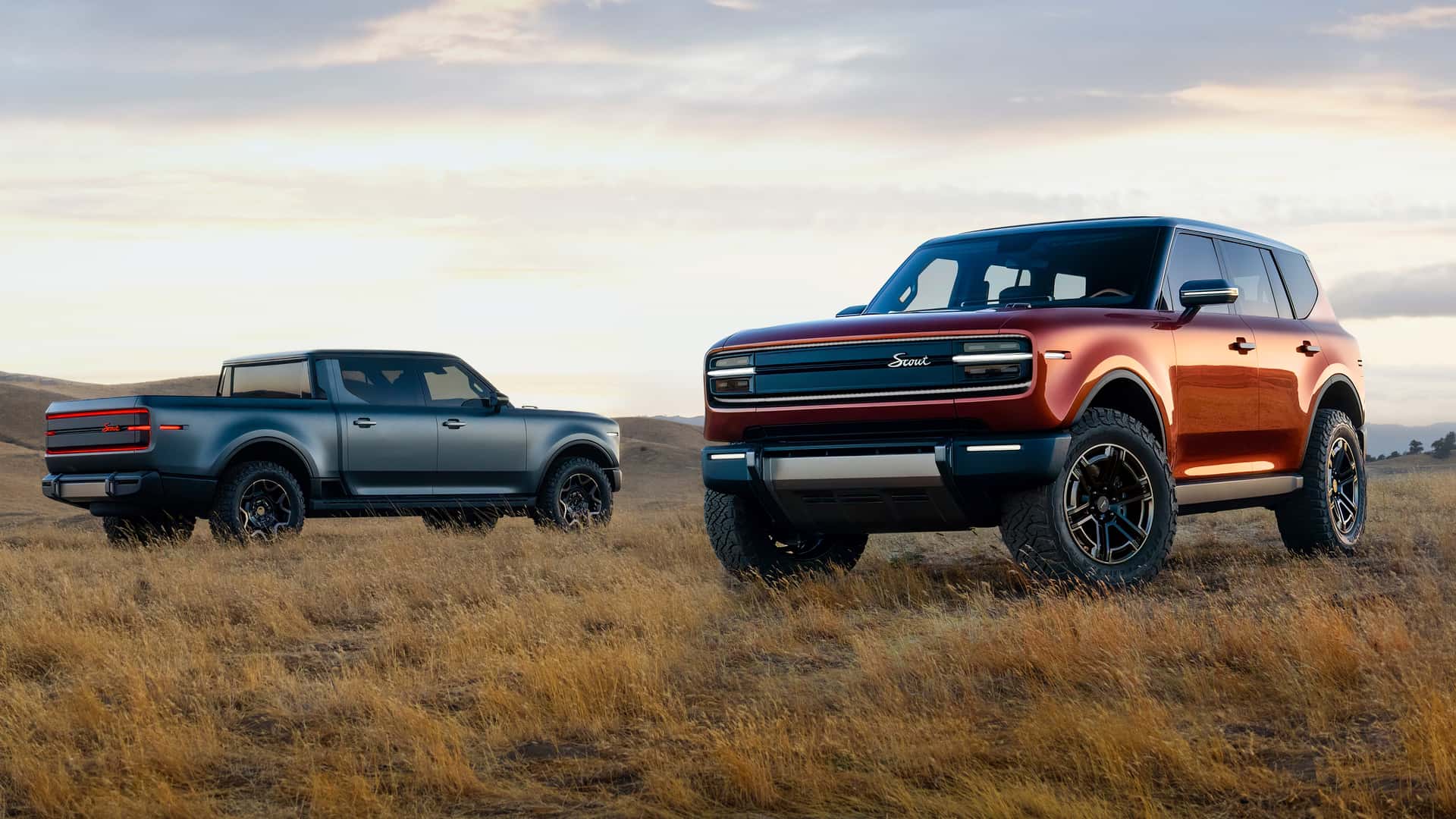
Volkswagen Group is expected to delay the relaunch of its Scout brand in the United States, with production of the first vehicles now projected to begin in mid-2028 rather than 2027, according to German media reports. The revived brand will also reportedly debut with range-extended electric vehicles instead of fully battery-electric models.
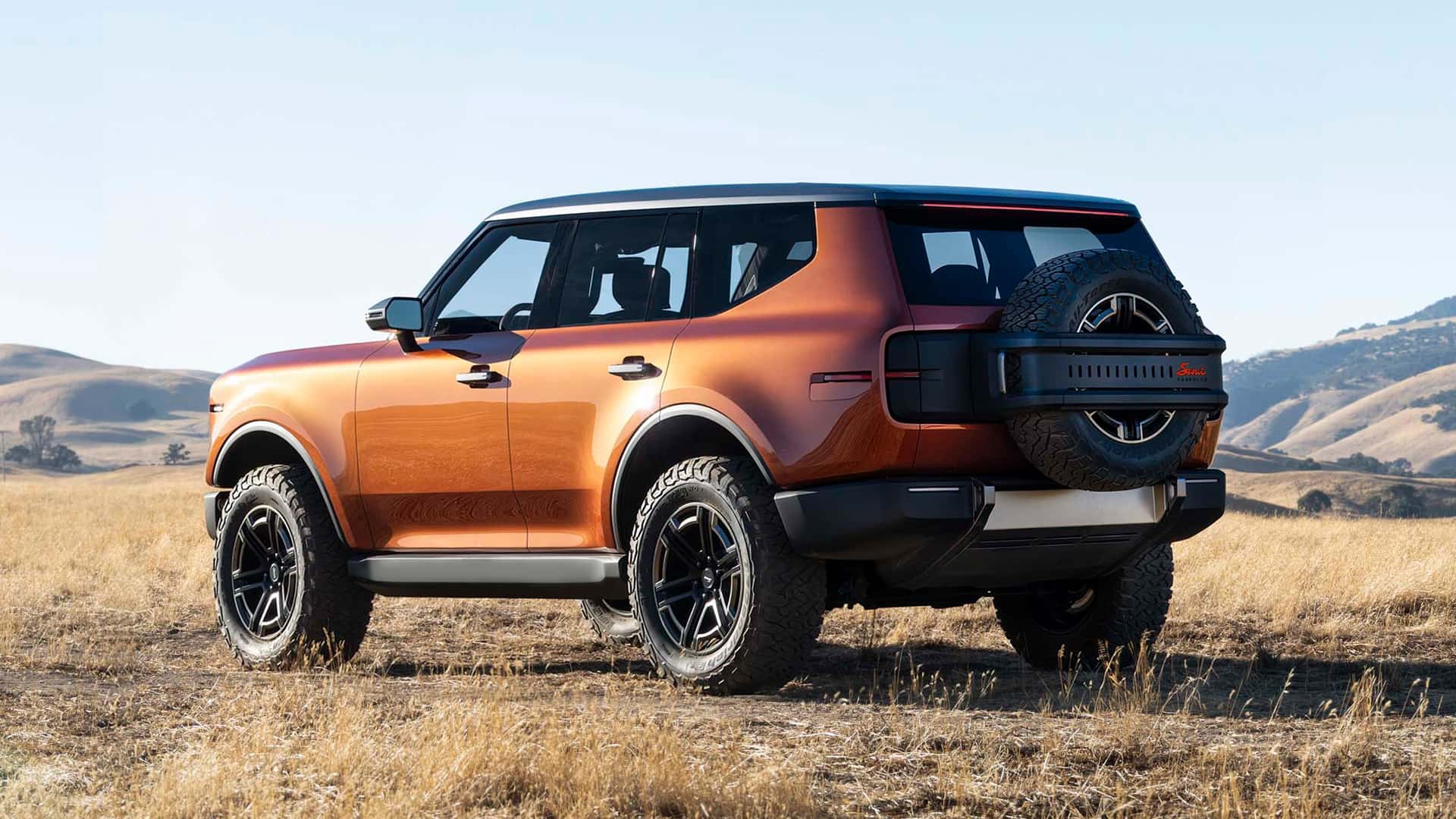
Manager Magazin had earlier reported that the first Scout vehicles—a pickup and a sport utility vehicle—would initially use range-extender technology. Such vehicles are driven by an electric motor but include a small combustion engine that acts as a generator to recharge the battery rather than directly powering the wheels. The change represents a shift from earlier plans for an all-electric launch.
See also: Scout Motors Develops Custom Soundscape for Upcoming Electric SUV and Pickup

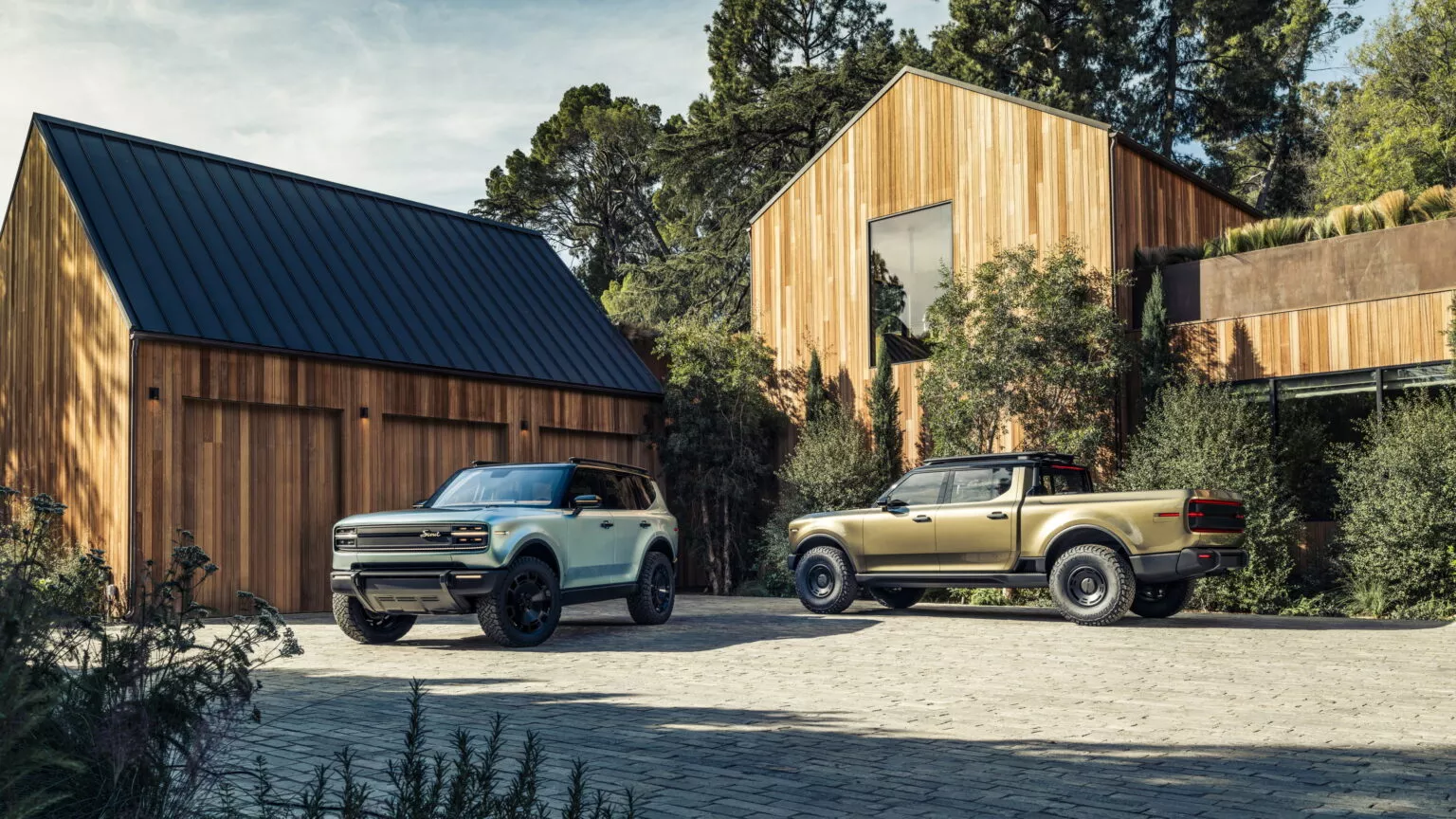
Der Spiegel reported that the production start at Scout’s new plant in Blythewood, South Carolina, has been pushed to summer 2028. The publication said the strategic pivot is intended in part to differentiate Scout’s products from those of U.S. partner Rivian. The report also indicated that a separate premium SUV for Audi, codenamed “Rugged” and based on the Scout platform, could face similar delays.
Two primary technical challenges are said to be contributing to the postponement. First, integrating a range-extender system requires additional packaging space, including room for a fuel tank and exhaust system. According to Der Spiegel, the original vehicle architecture—designed for battery-electric models—did not allocate space at the front for these components, necessitating redesign work and delaying development.
See also: Scout Motors Nears Final Design as Production Testing Advances

A second hurdle involves software integration. The vehicles were expected to use software from a joint venture between Volkswagen and Rivian established in 2024, but the agreement reportedly covers only battery-electric vehicles. Because range-extended models require additional control systems for the combustion engine, Volkswagen’s software unit Cariad is now tasked with integrating those functions into the existing platform, adding complexity and cost.
The shift toward range-extender vehicles is also reportedly influenced by changes in U.S. policy. The expiration of federal tax credits for electric vehicles and relaxed emissions regulations for combustion-engine vehicles have altered market conditions, potentially making hybrid solutions more attractive in the short term.


