

Volkswagen Group is preparing deeper cost-cutting measures to strengthen its financial position, with executives targeting savings of up to 12 billion euros ($12.9 billion) in 2026. The plan could affect existing and future electric vehicle (EV) programs in the United States, Manager Magazin reported.
At the end of September, Group Chief Financial Officer Arno Antlitz met with senior executives David Powels of Volkswagen Passenger Cars, Jürgen Rittersberger of Audi, and Jochen Breckner of Porsche to discuss measures to improve cash flow. Antlitz reportedly demanded that the brands collectively deliver an additional 12 billion euros next year, calling it a “massive savings shock.”
See also: Volkswagen Halts Production at Two German EV Plants Amid Weak Demand

Net cash flow — a key indicator of financial health that measures funds remaining after costs and investments — has come under strain. Volkswagen issued a profit warning in September estimating net cash flow of “around zero billion euros” for 2024, while Manager Magazin reported the company could face a negative cash flow of about seven billion euros in 2026. “We must secure a minimum of five billion euros in net cash flow for Wolfsburg by 2024,” Antlitz was quoted as saying.
The drive for efficiency comes as Volkswagen’s once-strong profit centers, including Porsche and operations in China and North America, face declining returns. The automaker’s business in the United States has been further pressured by new import tariffs under President Trump’s administration, which particularly affect Audi and Porsche models not built domestically.
See also: Porsche Confirms Michael Leiters as CEO, Oliver Blume to Focus on Volkswagen

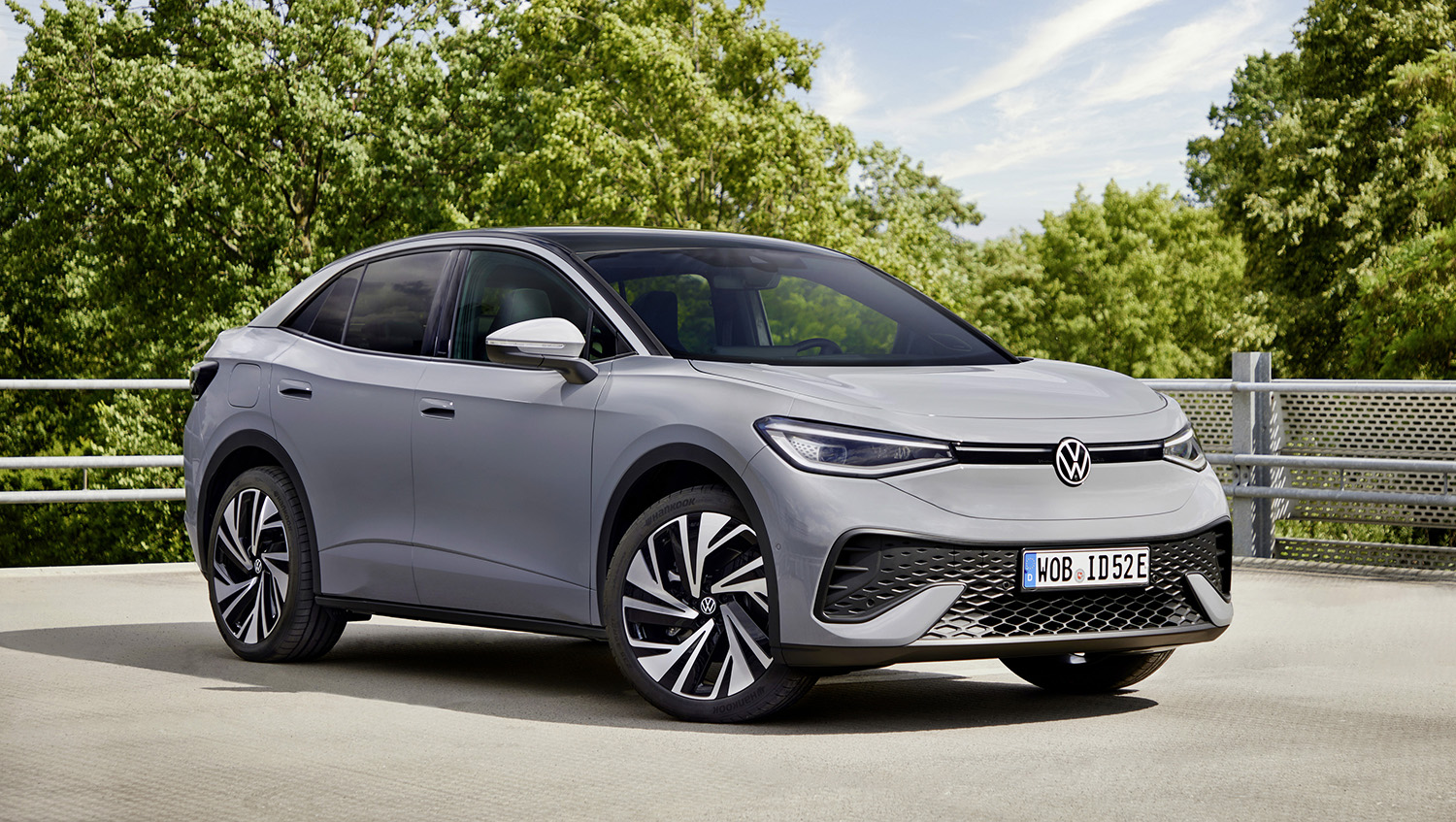
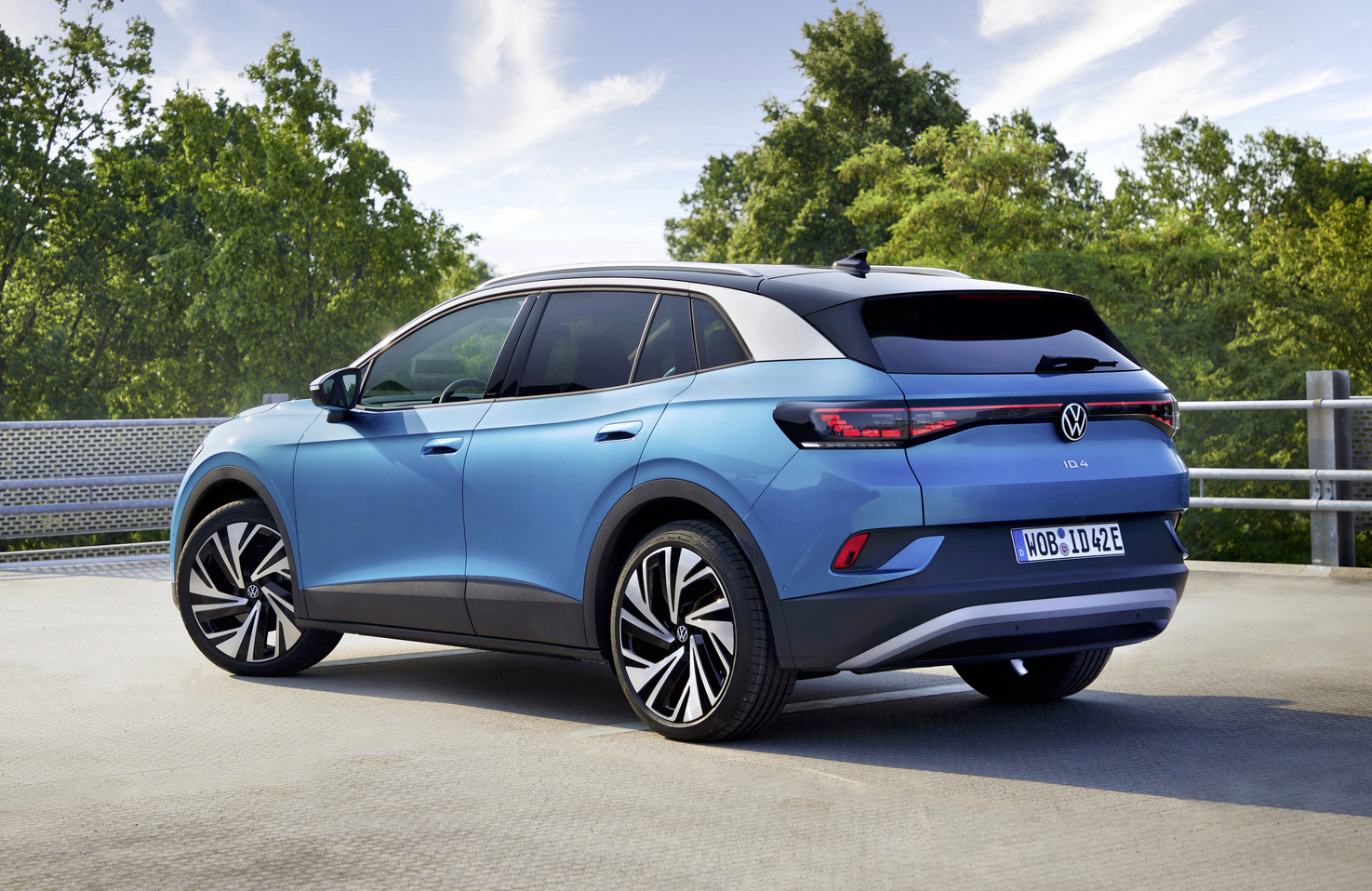
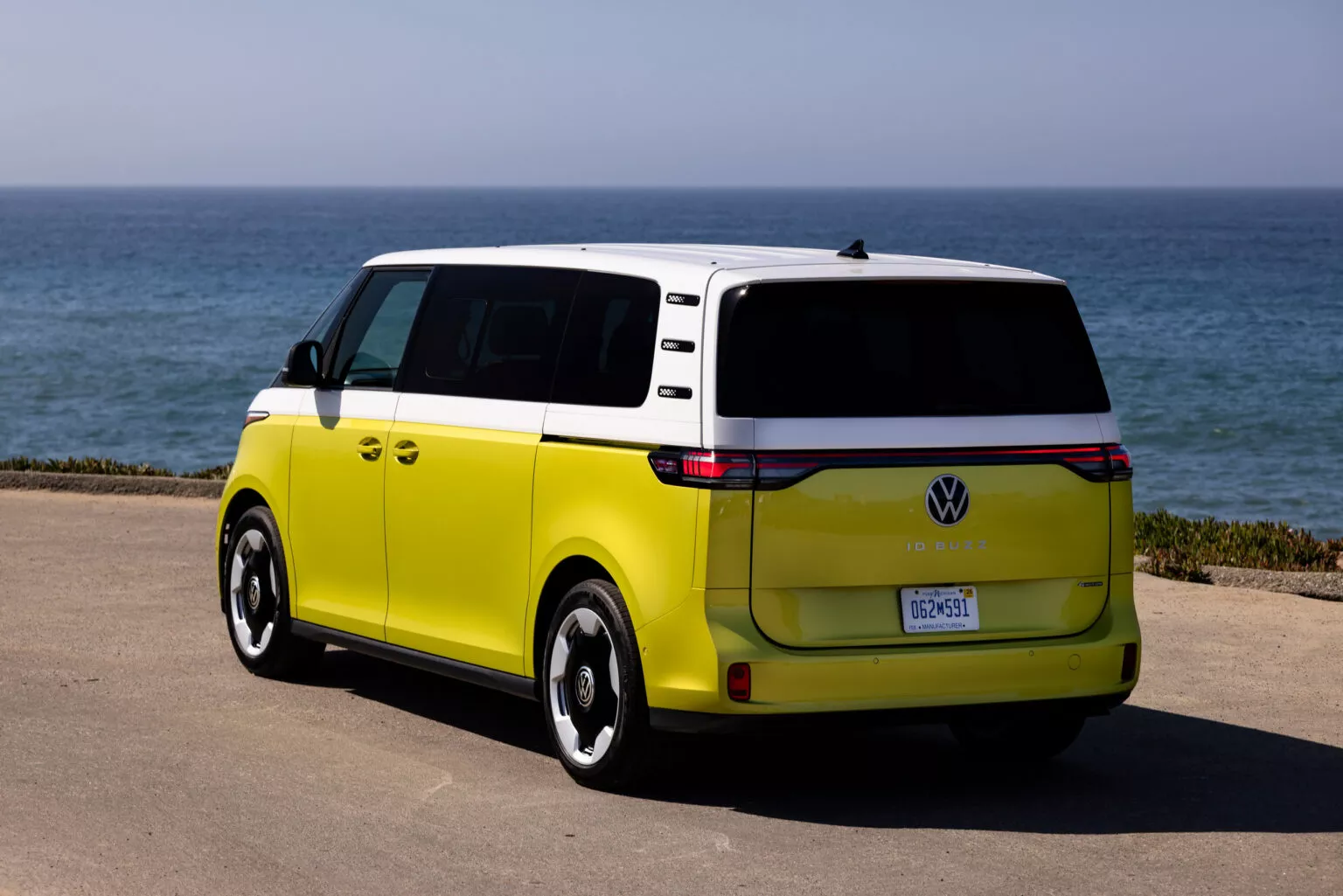
Adding to the challenges, Volkswagen will temporarily suspend production of the ID.4 electric SUV at its Chattanooga, Tennessee, plant from late October. The company did not specify when production would resume, but the expiration of federal tax incentives for EVs has been cited as a key factor.
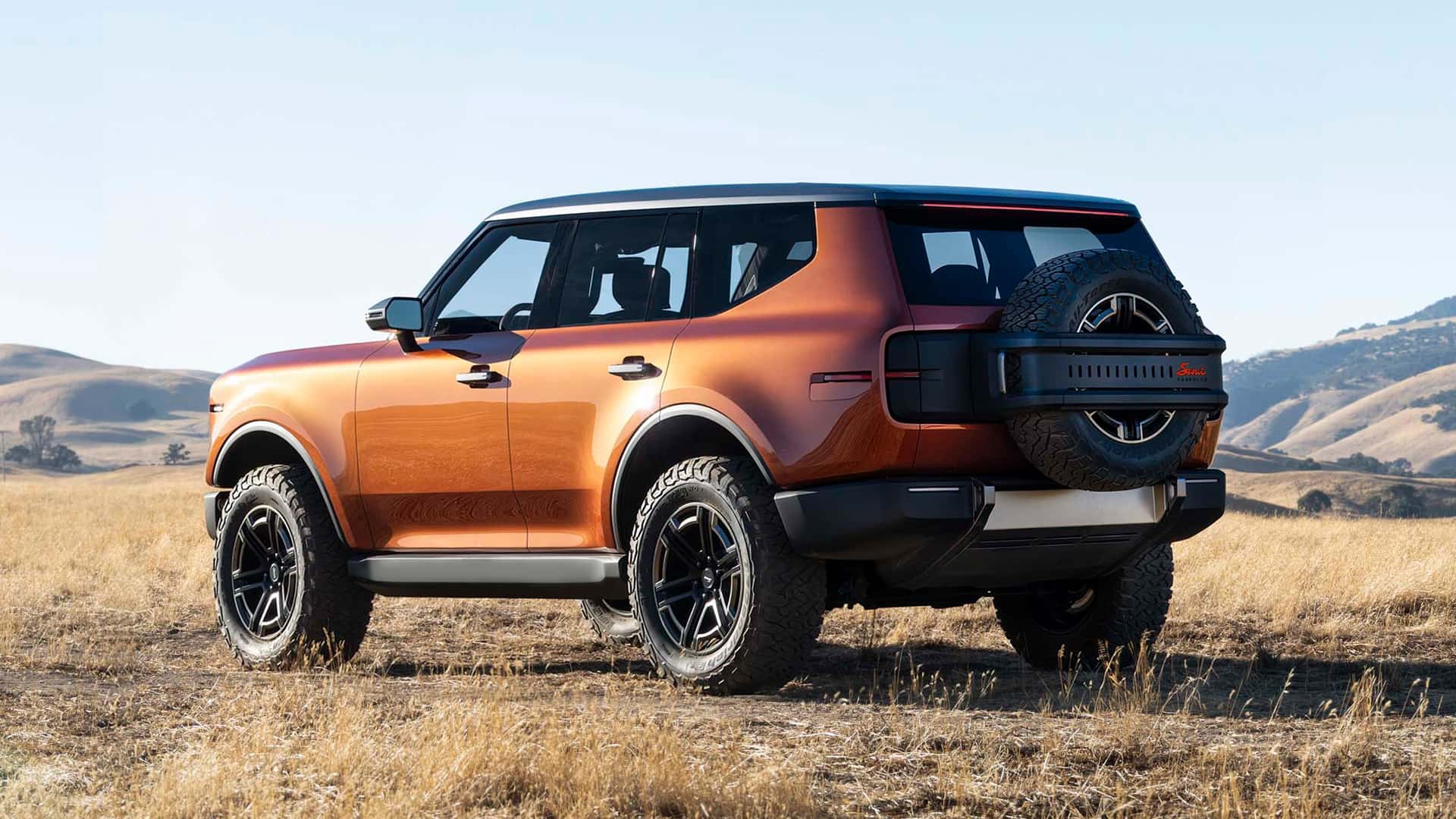
Volkswagen’s Scout brand, initially envisioned as a pillar of its North American strategy, is also being revised. Plans for a fully battery-electric SUV and pickup truck have shifted toward versions equipped with combustion engine-based range extenders. According to the report, the project, once expected to generate a one-billion-euro profit, could now lead to a similar-sized loss for the current year.
See also: Volkswagen Group’s EV Deliveries Rise 33% in Q3, Led by Strong Gains in Europe and U.S.

Leadership changes may follow as Volkswagen reassesses its U.S. operations. Kjell Gruner, who became CEO of Volkswagen Group of America and head of the VW brand in North America in December 2024, is “already considered to be on the ropes again,” the magazine wrote. Meanwhile, Volkswagen brand chief Thomas Schäfer has reportedly reorganized several management roles in the region to stabilize performance and cut costs.
Antlitz has also examined whether long-term investment reductions could deliver further savings, though such cuts were deemed unfeasible. Instead, attention has turned to shorter-term cost efficiencies. One proposed measure includes developing the next-generation Porsche Taycan and Audi A6 on a shared vehicle platform to lower production costs.

While such consolidation could streamline development, analysts caution it may risk brand identity and sales. Volkswagen’s cost-saving measures underscore the financial pressures facing global automakers as they balance electrification strategies with profitability in an increasingly competitive market.