


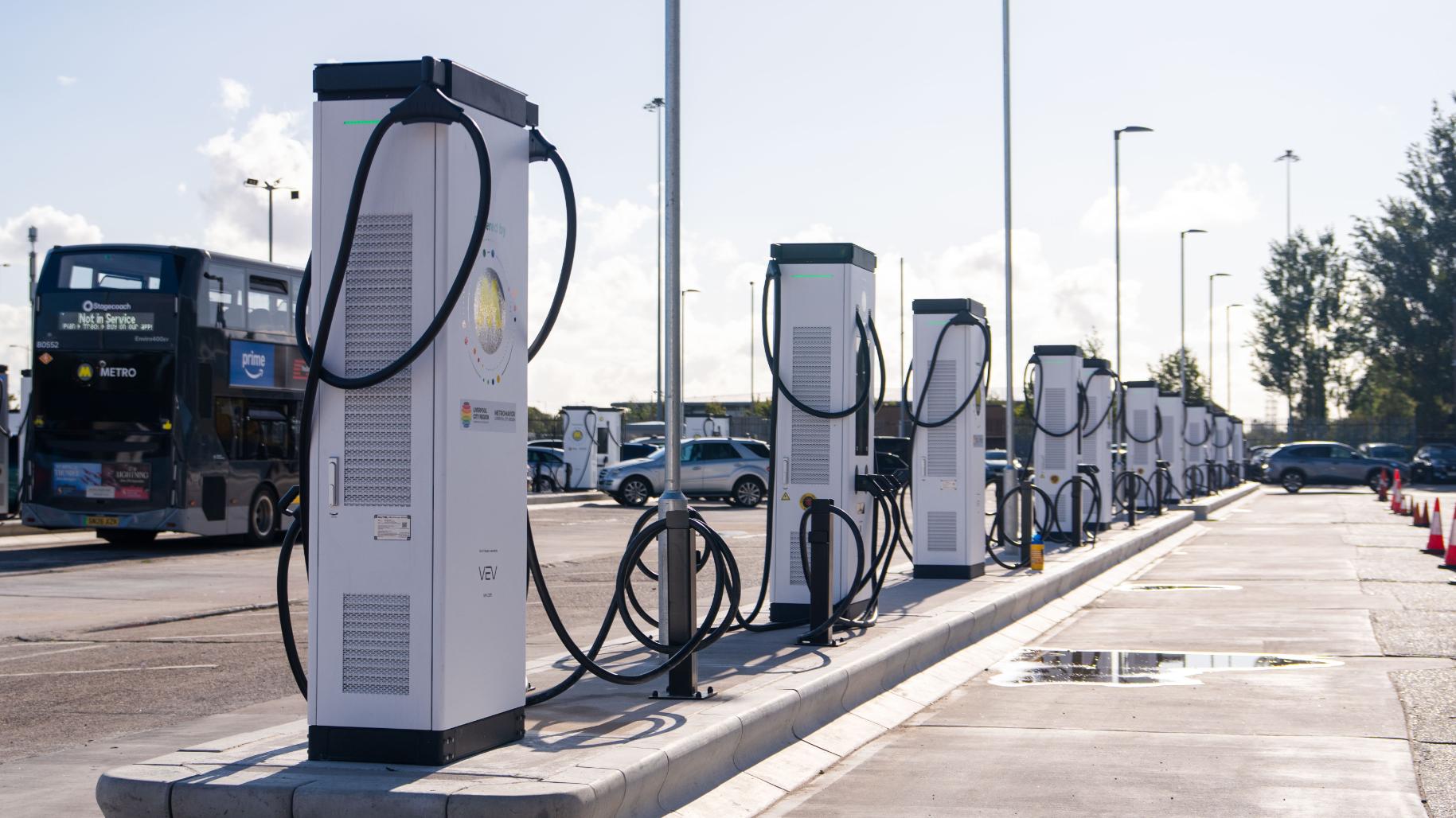
Commercial fleet electrification specialist VEV has completed the installation of high-powered charging infrastructure at Stagecoach’s Gillmoss depot in Liverpool, paving the way for the rollout of more than 100 new battery-electric buses.
Infrastructure Supports Large-Scale Bus Electrification
The multimillion-pound project includes 54 dual-socket 160kW chargers, supported by a new 5MVA power connection, three substations and three low-voltage panels. The infrastructure is designed to provide the electrical capacity and charging capability required for large-scale zero-emission bus operations at the depot.
VEV delivered the infrastructure as part of a multi-party project led by Liverpool City Region Combined Authority, working alongside Stagecoach, SP Energy Networks and Liverpool City Council.
“Gillmoss is a strong example of the infrastructure-first approach needed to electrify bus networks at scale. Installing chargers is only one part of the job. The grid connection, electrical distribution, charging strategy and depot operations all need to work together reliably to ensure vehicles are ready when they’re needed,” said Simon Cubitt, Commercial Director, Bus & Coach at VEV.
“A key part of the solution is our VEV IQ platform, which intelligently manages when and how vehicles charge. By shifting demand to lower-cost periods and optimising power use across the depot, VEV IQ helps reduce energy costs while ensuring buses are ready for service each day. As electric fleets scale, intelligent energy management is becoming just as important as the charging hardware itself,” he added.
Gillmoss to Support Liverpool’s Zero-Emission Fleet
The rollout of the new buses forms part of Mayor Steve Rotheram’s plans to reform bus services in the Liverpool City Region, bringing the network back under local public control for the first time in more than 40 years.
“The electrification of Gillmoss is another important step in delivering a cleaner, more modern and more reliable bus network for passengers across the Liverpool City region. As more zero-emission buses enter service, customers will benefit from quieter journeys, improved air quality and a public transport system that is fit for the future,” said Kara Wood, Head of Franchising for the Liverpool City Region Combined Authority.
“By investing in both vehicles and the infrastructure that supports them, we are laying the foundations for the next generation of bus services as part of our wider ambition to build a fully integrated, sustainable transport network that connects people with opportunity across the city region,” she added.
Operated by Stagecoach, Gillmoss is a key operational base for bus services across Liverpool and Knowsley. The depot will serve as the primary hub for the Liverpool City Region’s growing zero-emission bus fleet.
Stagecoach Prepares for Fleet Expansion
“This project has transformed one of our busiest depots, providing the infrastructure needed to support more than 100 electric buses while maintaining the reliable service our customers depend on every day,” said Tony Cockcroft, Asset Management and Infrastructure Director for Stagecoach.
“The result is a future-ready depot that not only supports cleaner, greener public transport but also gives us the operational resilience and charging capability needed as the fleet continues to grow,” he added.