
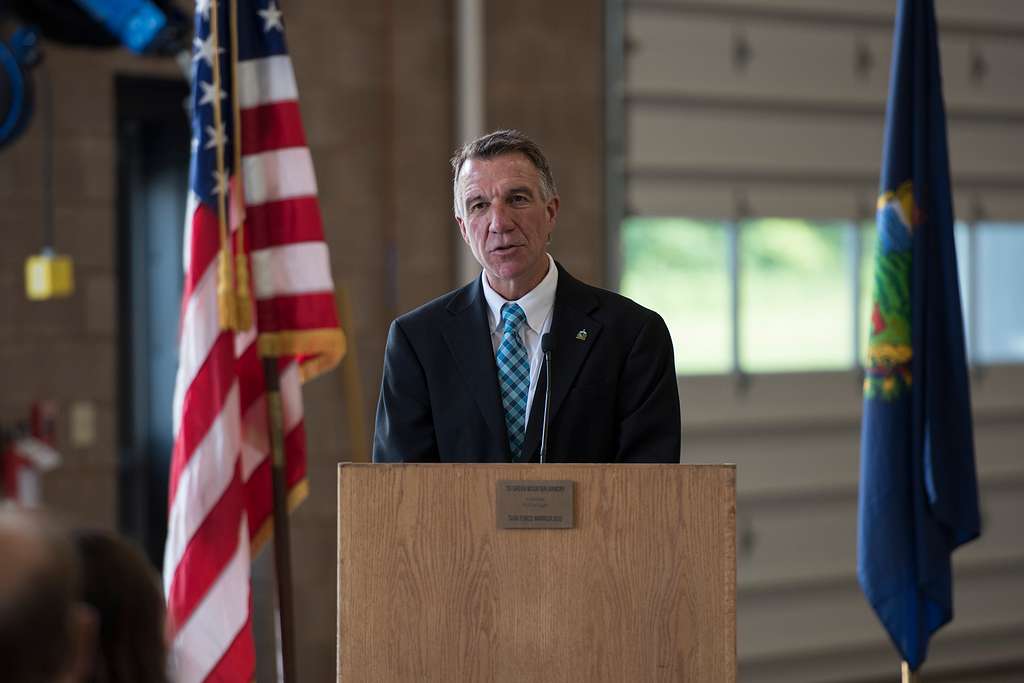
Vermont Governor Phil Scott announced on Tuesday a pause to the state’s electric vehicle (EV) sales requirements for both passenger cars and medium- and heavy-duty trucks, citing logistical and technological challenges. The decision comes as part of growing scrutiny over California’s zero-emission vehicle (ZEV) rules, which Vermont and ten other states have adopted in an effort to phase out gasoline-only vehicles by 2035.
Scott said feedback from automakers indicated the EV mandate could lead to a reduction in gasoline vehicle availability for Vermont dealerships. “It’s clear we don’t have anywhere near enough charging infrastructure and insufficient technological advances in heavy-duty vehicles to meet current goals,” Scott said.
Under California’s framework, which Vermont had been aligned with, 35% of new light-duty vehicle sales in the 2026 model year must be zero-emission. The rules ramp up to require at least 80% EVs by 2035, allowing up to 20% to be plug-in hybrids. Automakers have raised concerns about meeting these targets, citing supply limitations and the need to increase the ratio of EVs in overall vehicle offerings.
Maryland Governor Wes Moore also delayed implementation of similar rules until the 2028 model year, citing ongoing issues with charging infrastructure and the effects of tariffs. At the federal level, the U.S. House of Representatives voted in May to overturn California’s EV mandates, including its rules for heavy-duty trucks. The measure faces uncertainty in the Senate, and California maintains that the vote cannot override legal waivers granted by the U.S. Environmental Protection Agency.
The Alliance for Automotive Innovation — representing companies such as General Motors, Toyota, Volkswagen, and Hyundai — has warned that automakers might be forced to limit overall vehicle sales in order to meet the required proportion of EVs. California, however, argues the regulations are essential to reduce emissions and contends that efforts to nullify the EPA’s approval are not legally valid.