




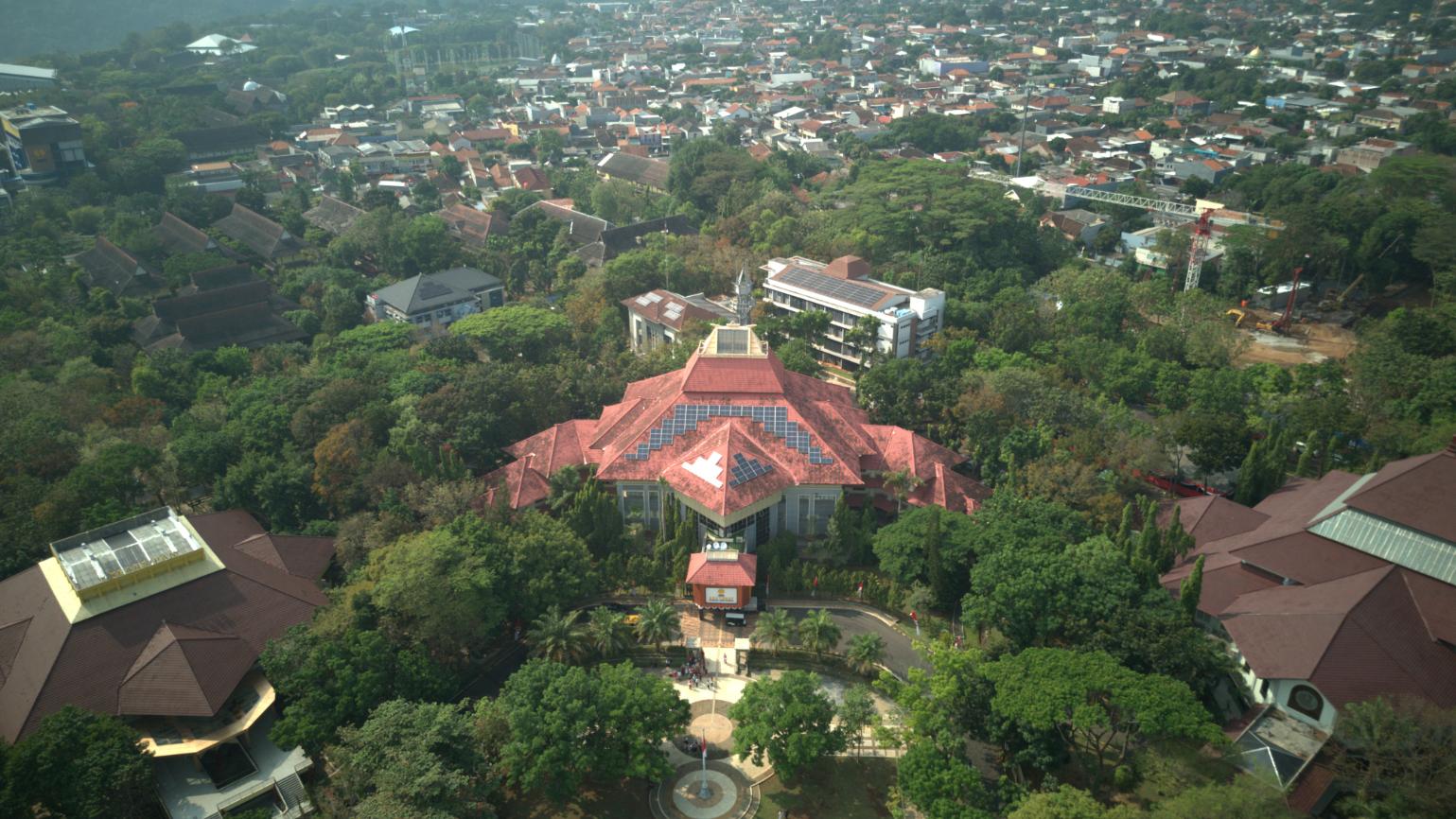
Universitas Negeri Semarang (UNNES) is expanding its renewable energy infrastructure as part of a broader effort to promote clean energy adoption in Indonesia’s higher education sector.
The university has implemented solar, biogas, biomass, and other renewable energy systems alongside energy efficiency measures to reduce its dependence on conventional electricity sources.
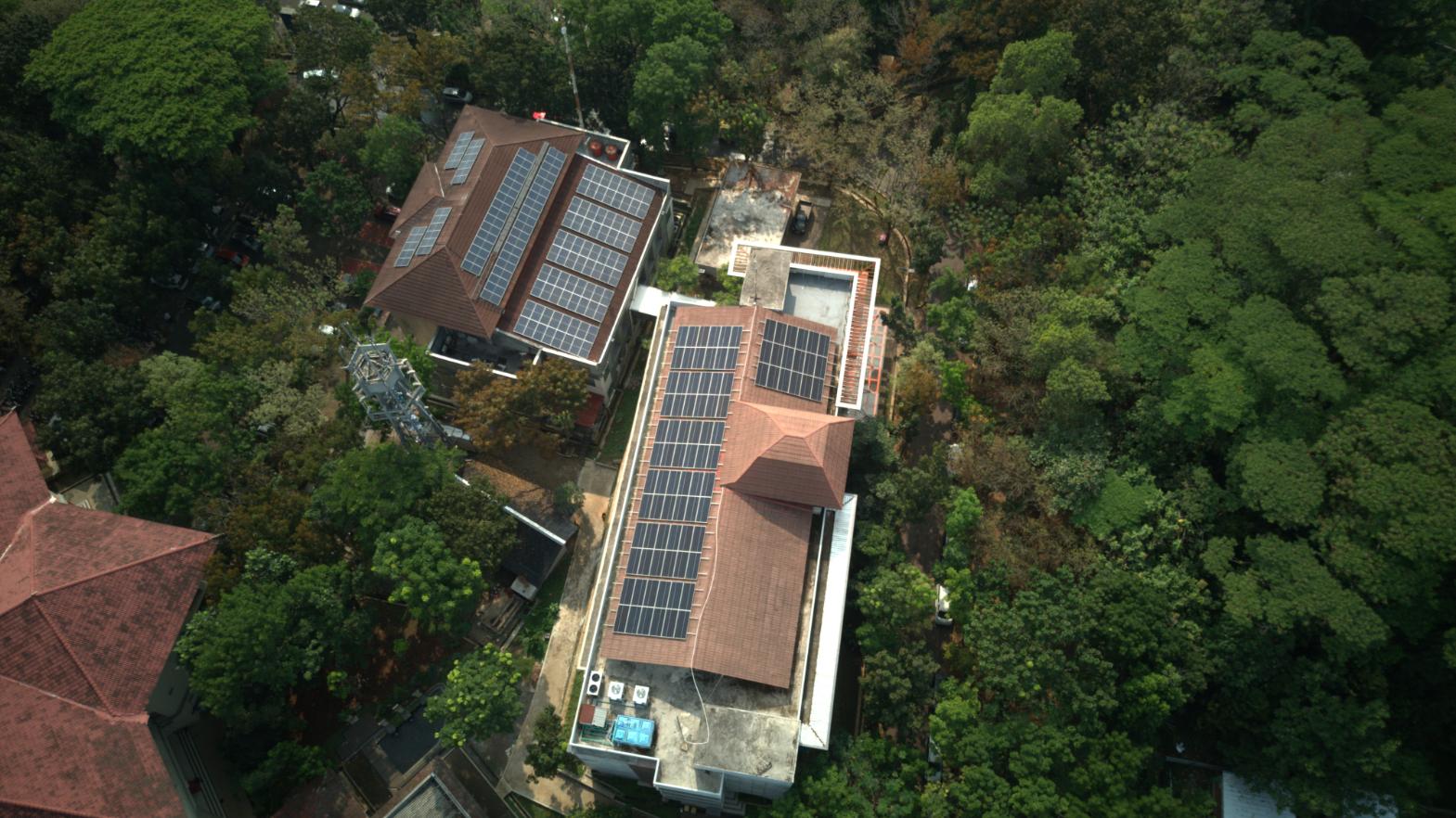
Solar panels have been installed on most major campus buildings, including administrative offices, libraries, waste management units, and faculty facilities. The panels, which also power street lighting and charge electric vehicles, have a total capacity of 401,325 Wp, generating an estimated 468,747 kWh annually.
See also: Indonesian Official: CATL-Backed Battery Plant to Begin Operations by 2026

Additional renewable sources include biogas systems in student dormitories producing 43 kWh per year, biomass briquettes from sengon wood waste generating 0.4 kWh annually, and biodiesel from used cooking oil and coconut shells adding 0.5 kWh annually.
A wind turbine prototype contributes a further 0.3 kWh per year. Combined, these systems supply 401,369.2 kWh annually, covering about 5.73% of the university’s total annual energy consumption of 7,007,130 kWh.
To improve efficiency, UNNES has implemented operational policies such as maintaining air conditioning at a minimum of 25°C, limiting elevator use to peak hours, and optimizing building designs for natural lighting.
Energy use is digitally monitored, with per capita consumption averaging 126.78 kWh annually. More than 80% of campus buildings now integrate solar power with digital energy management systems.
See also: LG Chairman Signals Long-Term EV Battery Focus in Indonesia Tour

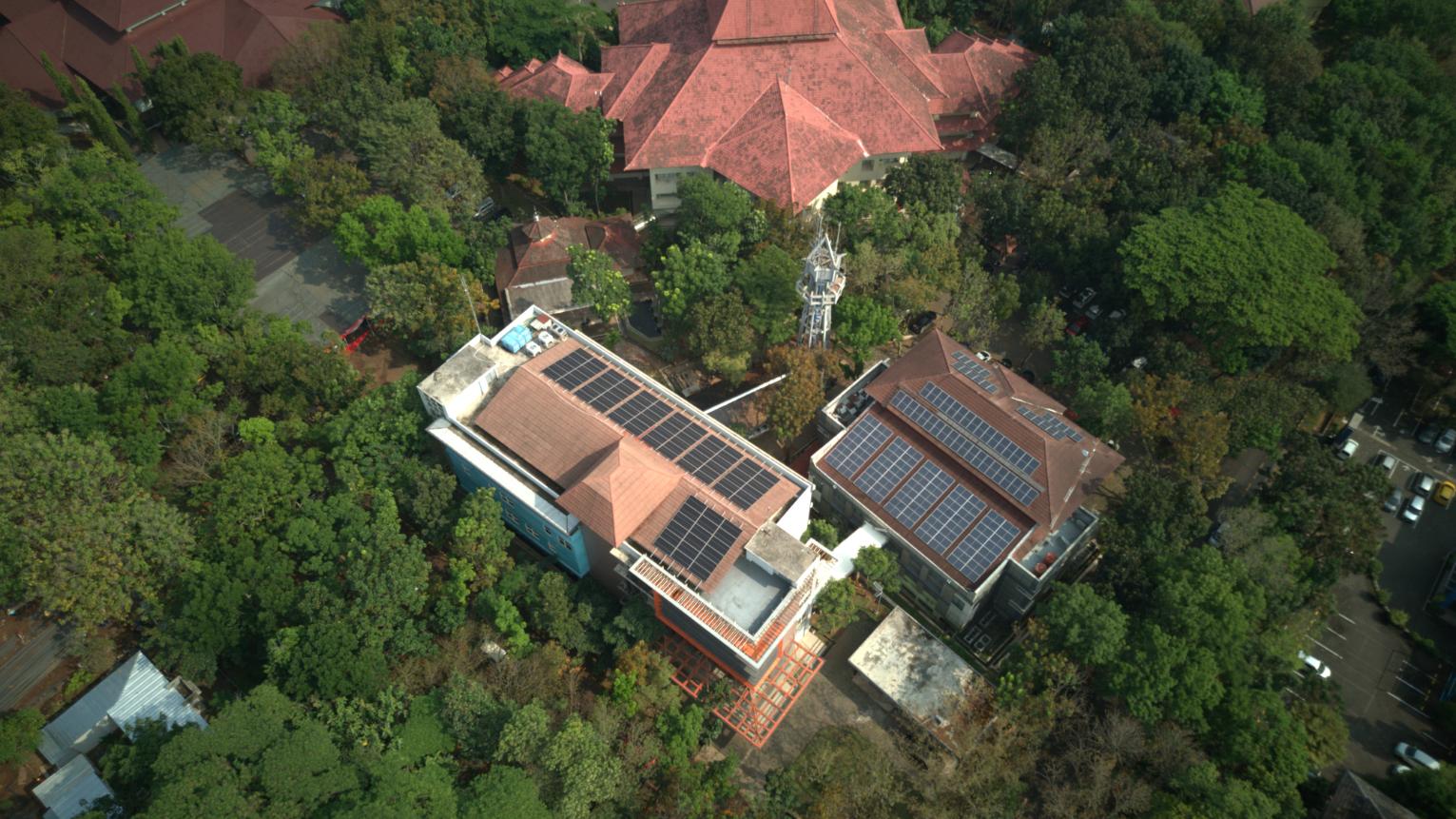
The university also uses an online monitoring platform to track electricity use, renewable energy production, and electric vehicle performance in real time. All new buildings are required to include solar installations where feasible.
In a related development, UNNES students have introduced an electric motorcycle prototype named Laplace, aimed at supporting Indonesia’s shift toward zero-emission transportation. The Laplace features a 1.2 kW motor, a 60-volt battery, and a 1,200 Wh capacity, enabling speeds of up to 60 km/h and a load capacity of 100 kg.
It can travel 40–60 km on a single charge, with an estimated charging cost of about IDR 10,000 ($0.60), significantly lower than the IDR 48,000 ($2.90) required for an equivalent gasoline journey. UNNES says these initiatives align with the United Nations Sustainable Development Goals, particularly those related to affordable clean energy and climate action.