
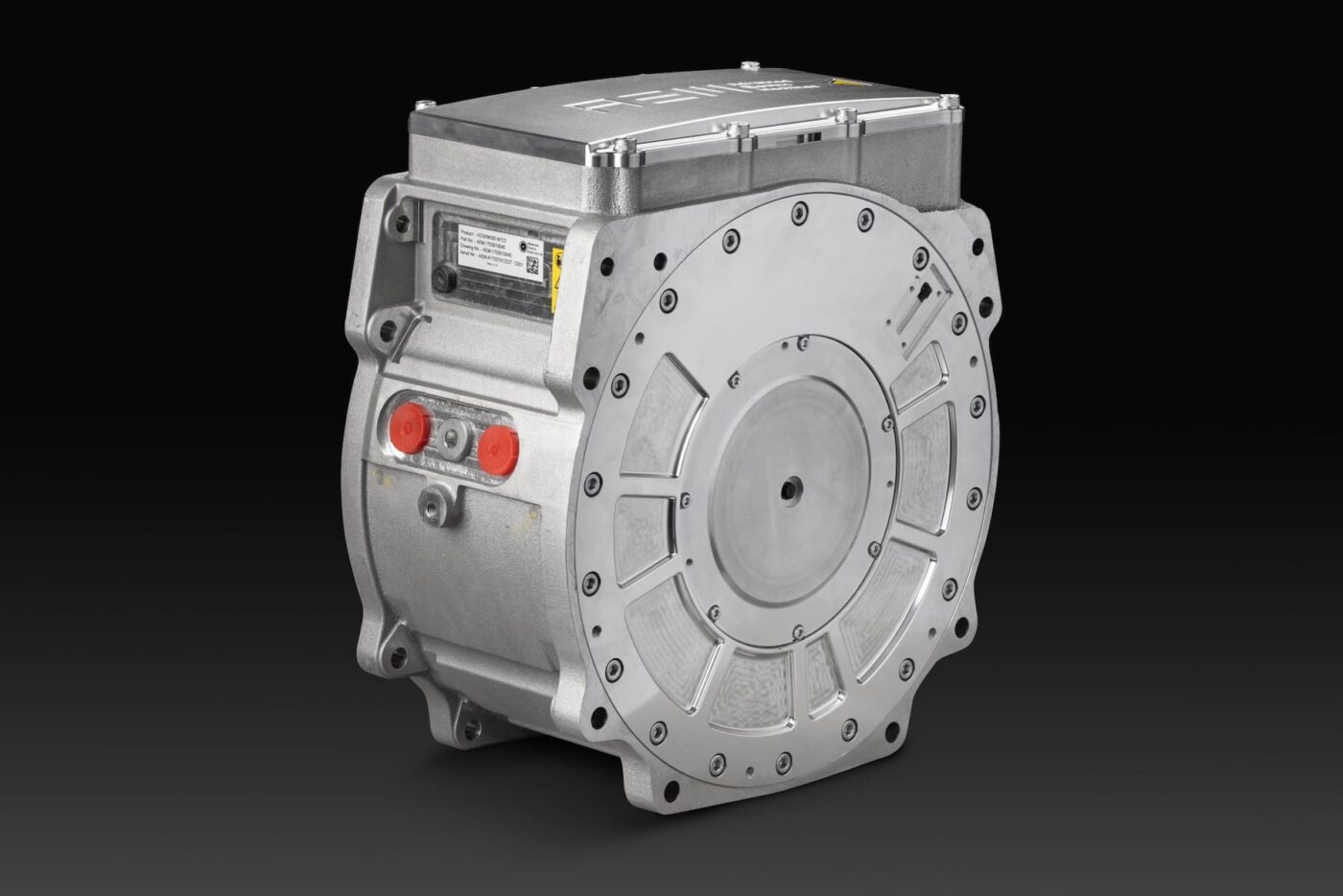
UK-based electric motor developer Advanced Electric Machines said it has secured new development contracts with a global Tier 1 automotive supplier and a major Asian vehicle manufacturer, as carmakers seek to reduce reliance on rare earth materials and concentrated supply chains.
The company did not disclose the identities of the partners but said one of the agreements is a seven-figure development contract with a globally operating Tier 1 supplier, while the second involves an Asian original equipment manufacturer. Both projects focus on developing distinct electric motor technologies for passenger cars, the company said, adding that it plans to expand its footprint in Europe, particularly in Germany, following the deals.
Advanced Electric Machines had already announced in October a seven-figure development agreement with what it described as one of the world’s largest automotive suppliers, suggesting the latest announcement mainly reflects progress with the Asian automaker. Under that collaboration, the company is exploring whether a new motor innovation can be integrated into future vehicles.
“At its core, the aim is to replace conventional copper windings with compressed aluminium,” the company said, citing concerns that global copper processing, like rare earth elements, is heavily concentrated in a limited number of regions.
Automakers are increasingly seeking alternatives to mitigate supply chain risks, according to AEM co-founder and chief executive James Widmer. “Automotive manufacturers are actively seeking technologies to reduce their dependence on highly concentrated supply chains. Our aluminium motor technology directly addresses this challenge while simultaneously improving performance and sustainability,” Widmer said.
Founded in 2017 as a spin-off from Newcastle University, AEM develops electric motors that do not use permanent magnets and therefore avoid rare earth elements such as neodymium and dysprosium. While other magnet-free approaches exist, including asynchronous motors and externally excited synchronous motors used by manufacturers such as BMW, these still rely on copper. AEM aims to remove copper from the design entirely, instead using steel and aluminium.
The company’s latest product, the Super Speed Reluctance Drive (SSRD), is designed for passenger vehicles and is expected to reach series production by the end of the decade through its new partnerships. In an interview with The Times, Widmer said the technology had already been validated through extensive testing. “We have millions of kilometres of use on our motors, which has proven that the technology works without the magnets, these rare earths […] We have queues of global manufacturers, car manufacturers and others lining up now to come and work with us,” he said.
Despite the technological progress, AEM has faced financial pressures in recent years. The company reported turnover of £5 million in 2022, which fell to £2.2 million in 2023 before rising to £2.9 million in 2024. Losses widened to £8.3 million last year, partly due to the collapse of one of its main customers, Tevva Electric Trucks, which led to inventory write-offs.