





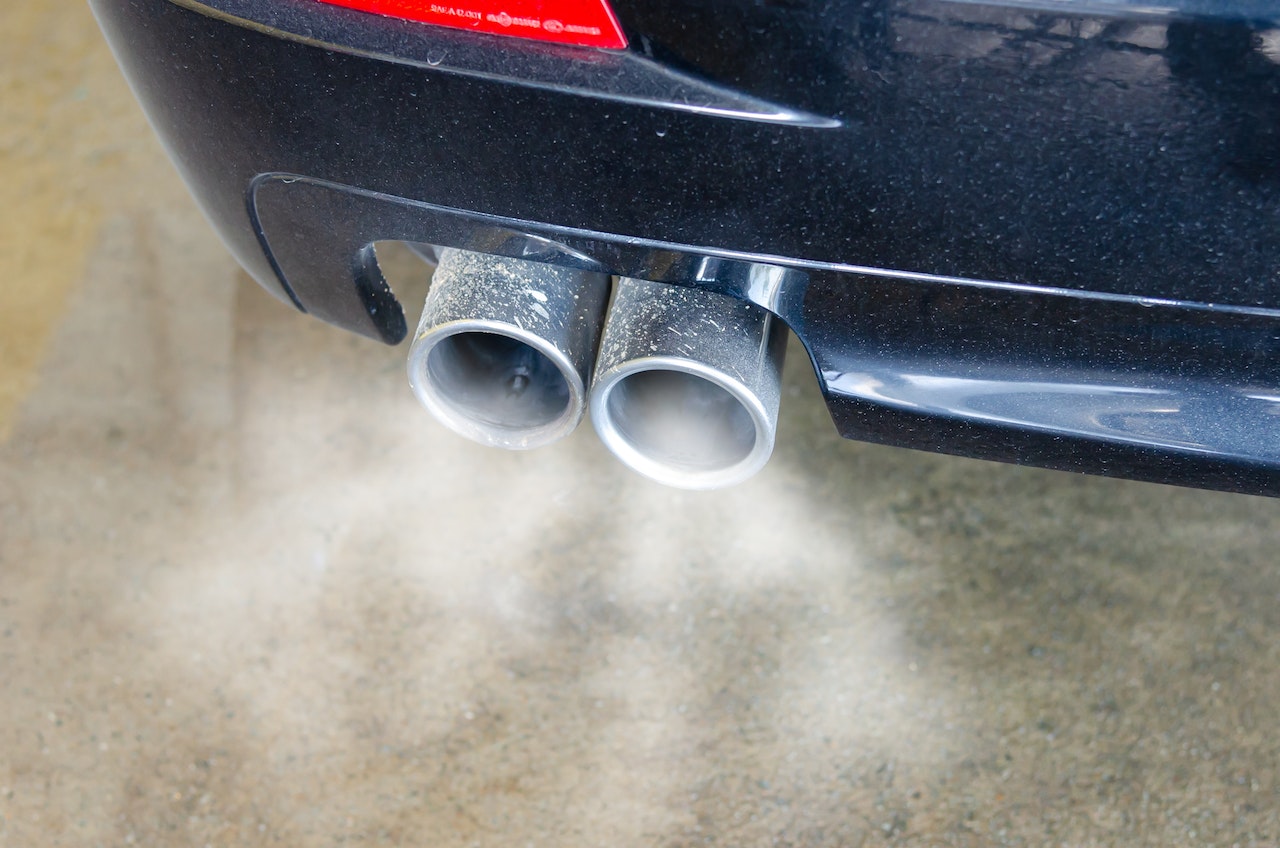
The United States is preparing to repeal federal rules limiting carbon dioxide emissions from vehicles, a move that could lower manufacturing costs but also slow the country’s transition to electric mobility, according to a proposal published by the Environmental Protection Agency (EPA).
The EPA said on Aug. 1 it plans to rescind the 2009 “Endangerment Finding,” the legal basis for regulating greenhouse gas emissions in the transportation sector, industry outlet Motortrend reported. In June, the National Highway Traffic Safety Administration (NHTSA) separately announced revisions to its Corporate Average Fuel Economy (CAFE) program aimed at easing fuel efficiency targets.
U.S. regulators argue the changes would reduce production expenses. The NHTSA said its new framework seeks to “relax fuel economy standards and reduce vehicle manufacturing costs,” a step likely to give automakers more flexibility in offering conventional internal combustion models.
Analysts said the policy shift could prompt carmakers to extend production of gasoline engines. Dodge, for instance, intends to keep producing its 5.7-liter HEMI V8 engine under the looser rules.
By contrast, European regulators remain committed to stringent carbon reduction measures. The EU continues to enforce strict emission targets, a policy designed to make higher-emitting models less attractive and accelerate the shift toward electric vehicles.
The divergence in U.S. and European approaches comes as global automakers weigh where to prioritize investment in electrification. “Developments in the U.S. and Europe appear to be taking different directions, which could have implications for the global automotive industry and, in particular, for electromobility,” analysts said.


