



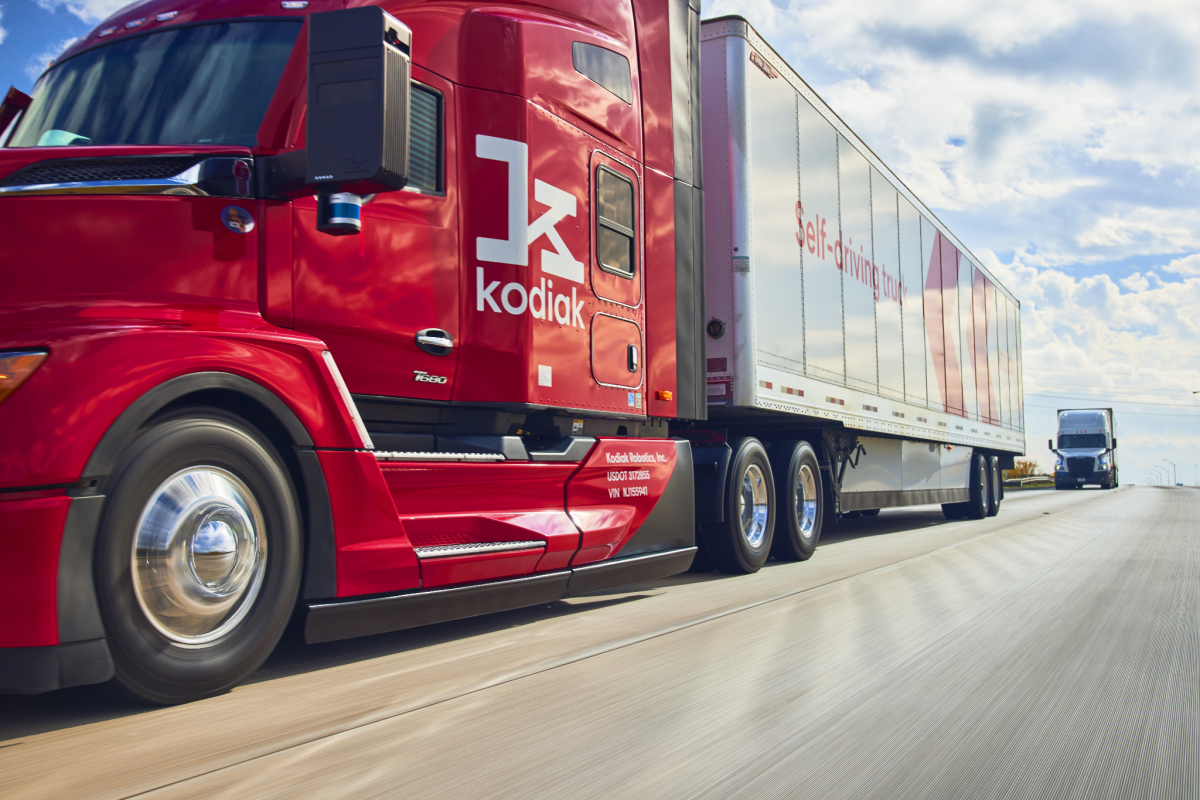
The U.S. House Transportation and Infrastructure Committee has approved legislation that would establish the first federal regulatory framework for autonomous commercial motor vehicles operating across state lines.
The BUILD America 250 Act, a five-year surface transportation reauthorization proposal, was advanced by the committee in a bipartisan 62-2 vote and includes a dedicated section focused on the safe integration of autonomous commercial vehicles into the national transportation system.
If enacted, the legislation would create a nationwide regulatory structure for automated commercial trucking operations, replacing the current patchwork of state-level requirements.
National Safety Standard for Autonomous Trucks
The bill directs the U.S. Department of Transportation to develop a performance-based safety standard for autonomous commercial vehicles within two years.
Under the proposal, manufacturers would be required to submit a documented safety case demonstrating that an automated driving system performs at least as safely as a human-operated vehicle.
The safety assessment would cover vehicle hardware, software, operational capabilities, and system performance across intended operating conditions.
The legislation would also formalize incident reporting requirements for autonomous commercial vehicles.
Human Oversight Requirements
The framework establishes specific requirements regarding human involvement in autonomous vehicle operations.
Commercial vehicles transporting placarded hazardous materials or primarily carrying children, such as school buses, would be required to have a human operator physically onboard.
For Level 3 automated driving systems, a qualified human fallback driver would need to remain seated in the driver’s position and be available to assume control when necessary.
Remote operators and fallback drivers would be required to hold appropriate commercial driving licenses and be physically located within the United States.
Time spent remotely monitoring autonomous commercial vehicles would count toward federal hours-of-service limits.
Industry and Safety Advisory Committee
The legislation would create a multi-stakeholder rulemaking committee to advise the Department of Transportation on future standards and regulations.
The committee would include representatives from industry, labor organizations, law enforcement agencies, safety groups, insurers, and research institutions.
Areas under review could include vehicle inspections, workforce training, safety performance standards, data reporting requirements, and limits on the number of autonomous vehicles a single remote operator may oversee.
Preserving Existing Safety Rules
The bill maintains existing commercial vehicle safety requirements and does not grant broad exemptions for autonomous vehicle operators.
Federal regulators would not be permitted to waive inspection, attendance, surveillance, or commercial driver qualification requirements for automated commercial vehicles.
The legislation also clarifies that existing federal authority over commercial vehicle safety would apply to autonomous vehicle operations.
Workforce Development and Additional Measures
Beyond regulatory provisions, the bill includes workforce development programs aimed at preparing drivers, technicians, and maintenance personnel for the deployment of autonomous trucking technologies.
Additional measures address vehicle equipment requirements, cybersecurity, accessibility, and autonomous vehicle safety research.
The legislation would also restrict the procurement of certain LiDAR technologies from countries designated as security concerns.
Next Steps
The BUILD America 250 Act is expected to be considered by the full House of Representatives later this year as part of a broader surface transportation reauthorization package.
Meanwhile, the Senate is developing separate autonomous vehicle legislation that could address both commercial and passenger vehicle applications.
If approved, the bill would mark a significant step toward establishing a national regulatory framework for autonomous freight transportation in the United States.


