
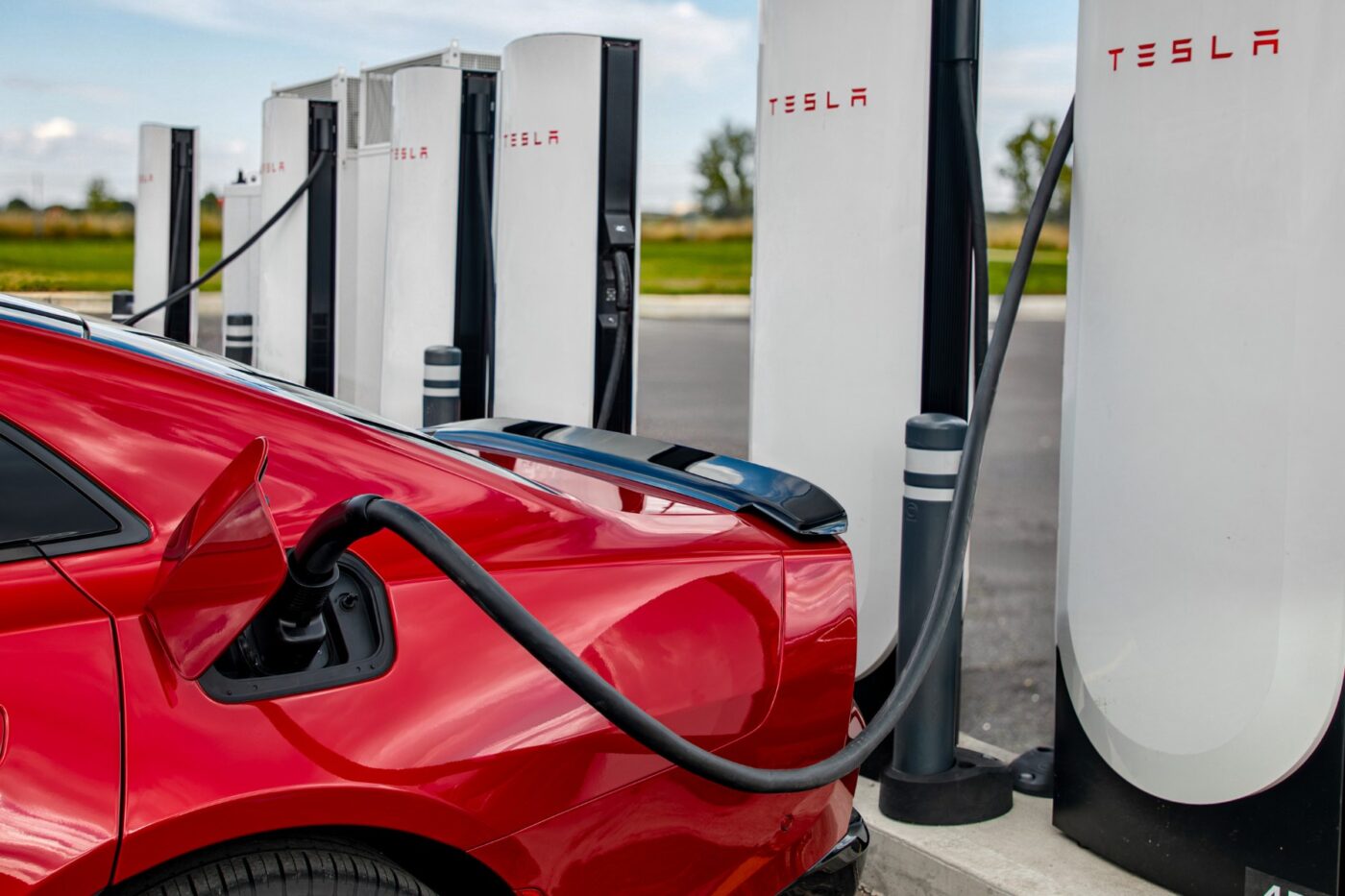
Battery-electric vehicle (BEV) sales in the United States declined sharply in the first quarter of 2026 following the expiration of federal incentives, according to new data from Cox Automotive.
The firm reported that new BEV registrations fell 28% year-on-year to 212,600 units in Q1, compared with 296,304 units in the same period of 2025. The figures mark the first full quarter reflecting market conditions after the federal EV tax credit ended last autumn.
See also: EU Electric Car Registrations Rise 20.6% in February, ACEA Says
Despite the drop in volumes, EVs maintained a stable share of 5.8% of total new vehicle sales, in line with the fourth quarter of 2025. However, this remains below the 7.5% peak recorded in Q3 2025, which had been driven by advance purchases ahead of the incentive’s expiry.
The broader U.S. light vehicle market also saw weaker demand, contributing to the steady EV share despite declining sales.
See also: Tesla Says Model Y Remains World’s Best-Selling Car for Third Straight Year
Market dynamics are shifting as a result. BEVs are currently spending an average of 130 days on dealer lots, compared with 89 days for internal combustion vehicles, increasing pressure on dealers to offer discounts.
“Average transaction prices for new electric vehicles fell to $55,300 in February,” said Stephanie Valdez Streaty, Director of Industry Insights at Cox Automotive, noting that the price gap with petrol vehicles has narrowed to around $6,500.
See also: EV Sales Drive Thailand Auto Market Recovery in 2025, BEV Volumes Jump Over 80%
At the same time, the used EV market is gaining traction. Sales rose 12% to 93,500 units, with used BEVs priced just $1,300 above comparable petrol vehicles. These vehicles are also selling faster, remaining on dealer lots for an average of 42 days.
Tesla retained a dominant position in the U.S. BEV market, delivering 122,196 vehicles in Q1 and accounting for a 57.5% market share. While the overall market declined significantly, Tesla’s sales fell by just 4.6% year-on-year.