


The U.S. auto industry is facing sweeping changes in 2025 after the Trump administration eliminated federal tax credits for electric vehicles and removed penalties for automakers that miss fuel economy targets under Corporate Average Fuel Economy (CAFE) standards.
The moves are reshaping strategies across the sector, favoring traditional combustion-focused manufacturers while creating new challenges for EV specialists.
See also: Stellantis Pays $190.6 Million In U.S. Fuel Economy Penalties For 2019-2020

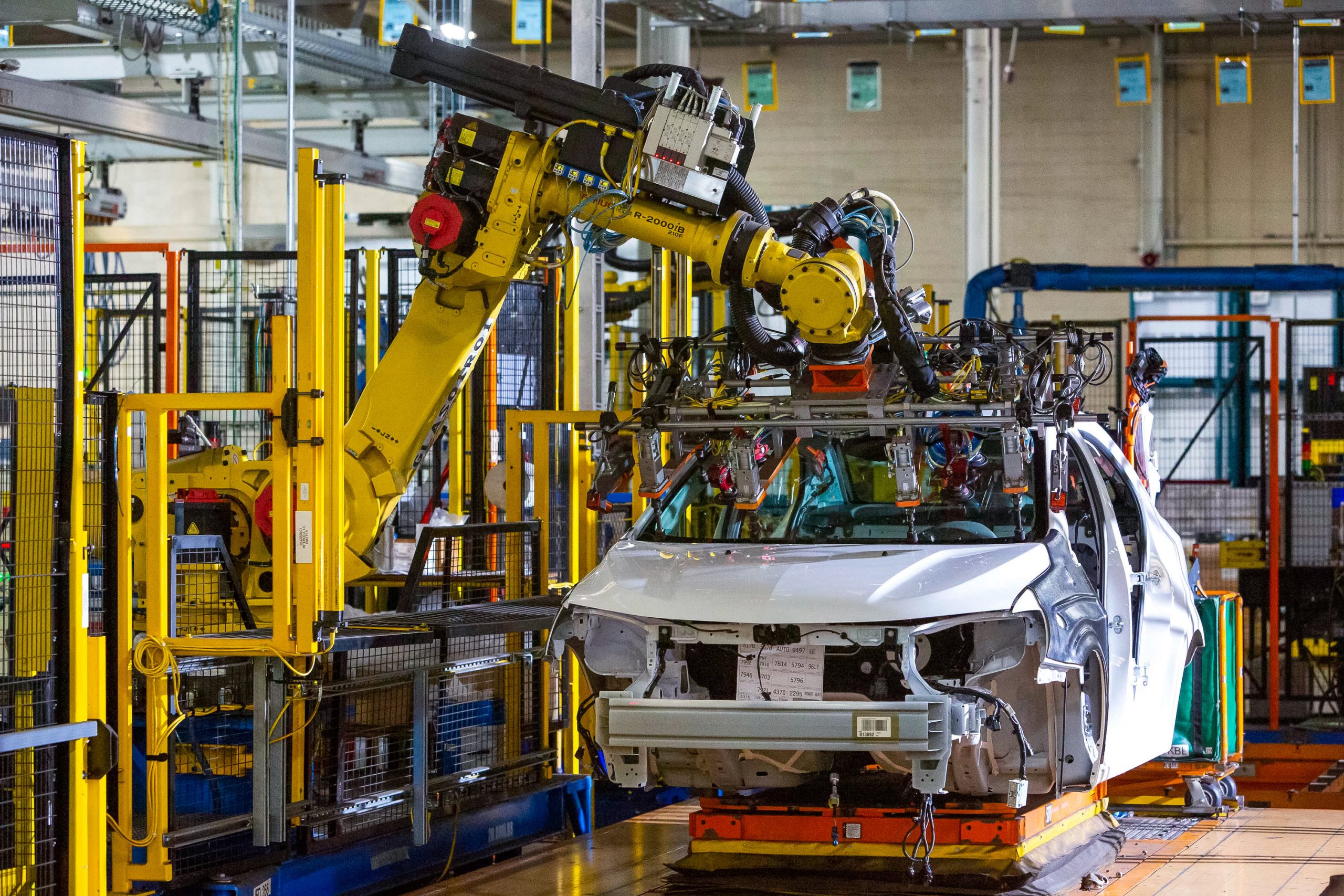
Automakers such as General Motors, Ford Motor, and Stellantis stand to benefit immediately, as they are no longer required to purchase emissions credits to offset sales of trucks and SUVs. According to Bloomberg, GM spent about $3.5 billion on such credits since 2022, while Ford and Stellantis also paid billions.
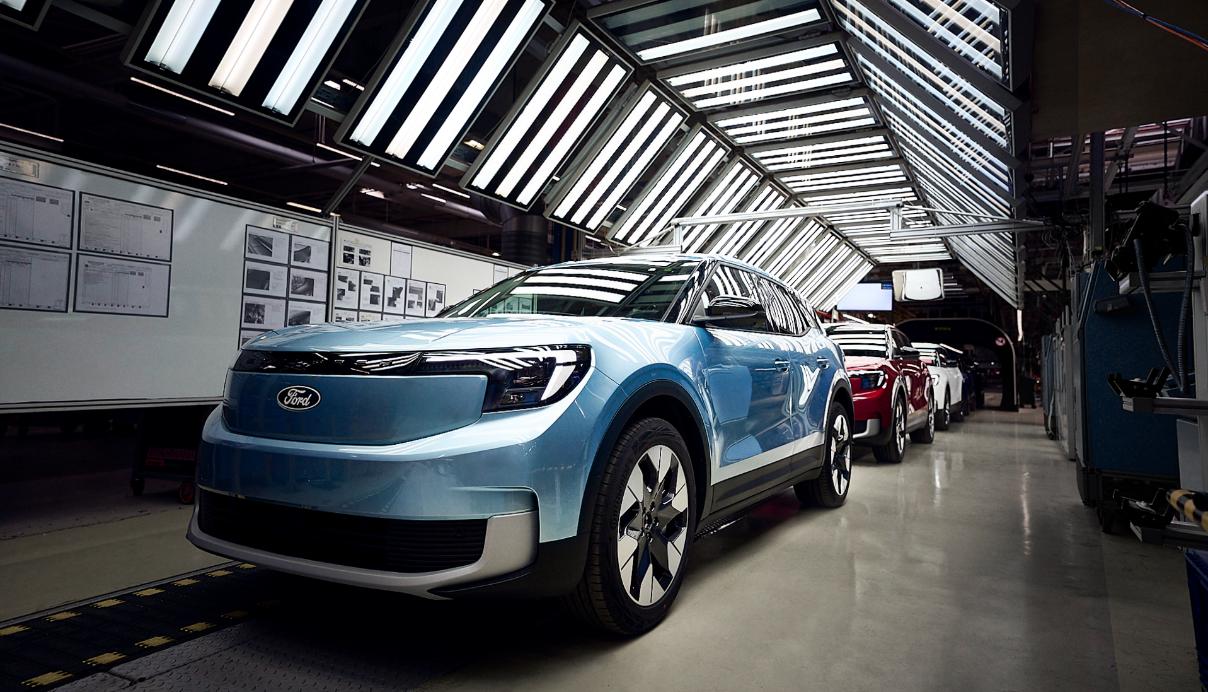
With regulatory costs removed, the companies are redirecting investment toward combustion-heavy lineups. Ford is retooling its Oakville, Ontario, facility for Super Duty pickup production, GM is cutting back EV output in favor of gasoline models, and Stellantis has revived its Hemi V8 engine.
Electric vehicle specialists, however, are expected to feel the financial strain. Tesla and Rivian have relied heavily on selling regulatory credits for revenue, while smaller startups may face even tougher conditions.
See also: Rivian CEO Says Shift Back to Combustion Engines Could Benefit EV-Only Automakers

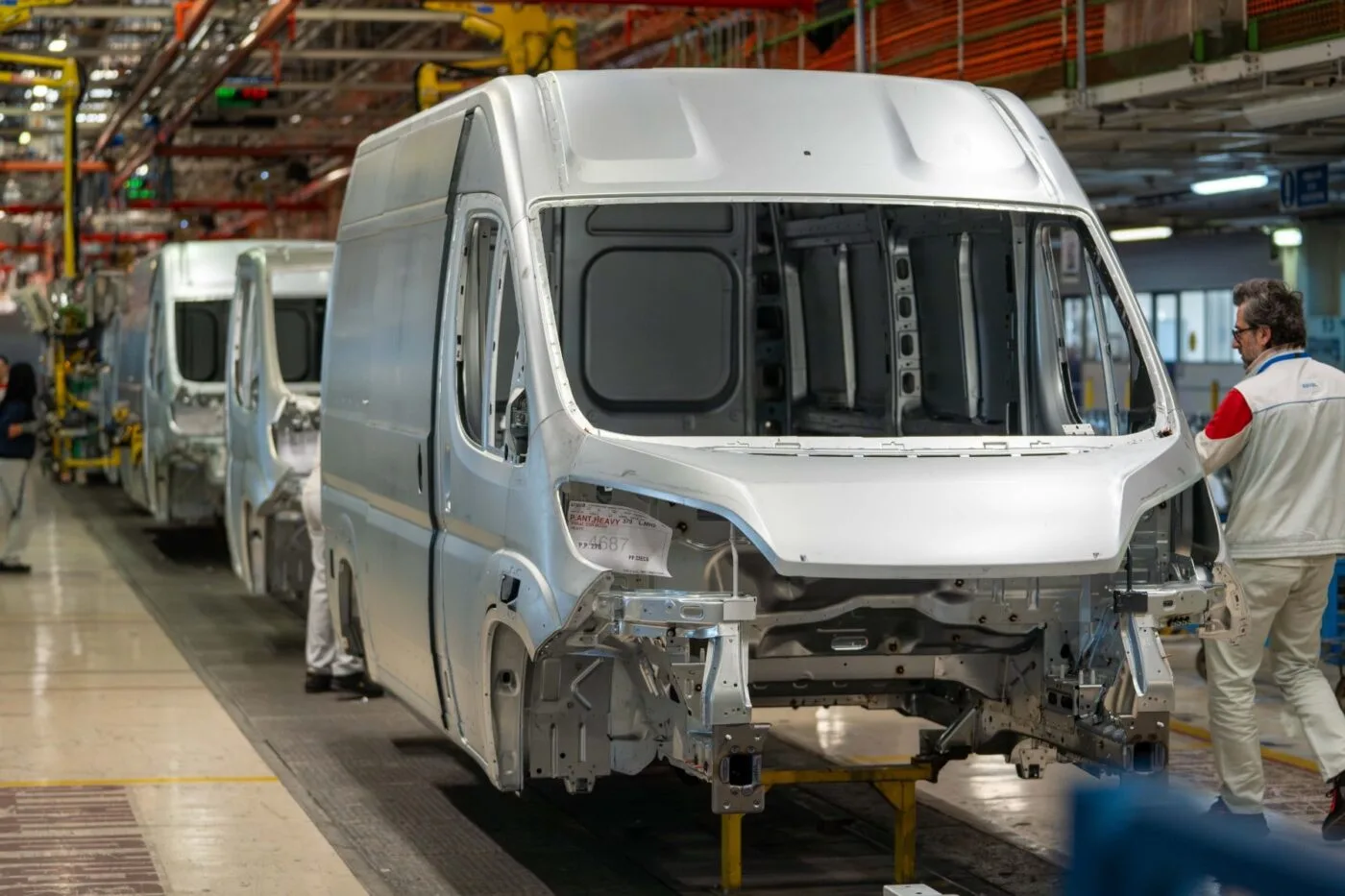
Without purchase incentives, consumer adoption of EVs could slow, and models positioned around affordability, such as Slate’s compact EV truck priced at around $30,000, may struggle without tax support.
The Environmental Protection Agency’s role in the policy changes has also drawn scrutiny. The agency’s stated mission is to “protect human health and the environment,” and it maintains that EVs generally outperform combustion vehicles on emissions, efficiency, and long-term ownership costs. Critics argue that the rollback of emissions rules runs counter to this mission, effectively enabling higher fuel consumption and weakening climate goals.
See also: GM and Hyundai to Jointly Develop Five Vehicles in Cost-Cutting Push


While the policy shift has created immediate gains for legacy automakers, it leaves EV-focused brands navigating an uncertain future as market incentives are withdrawn and competitive dynamics shift sharply toward combustion models.