
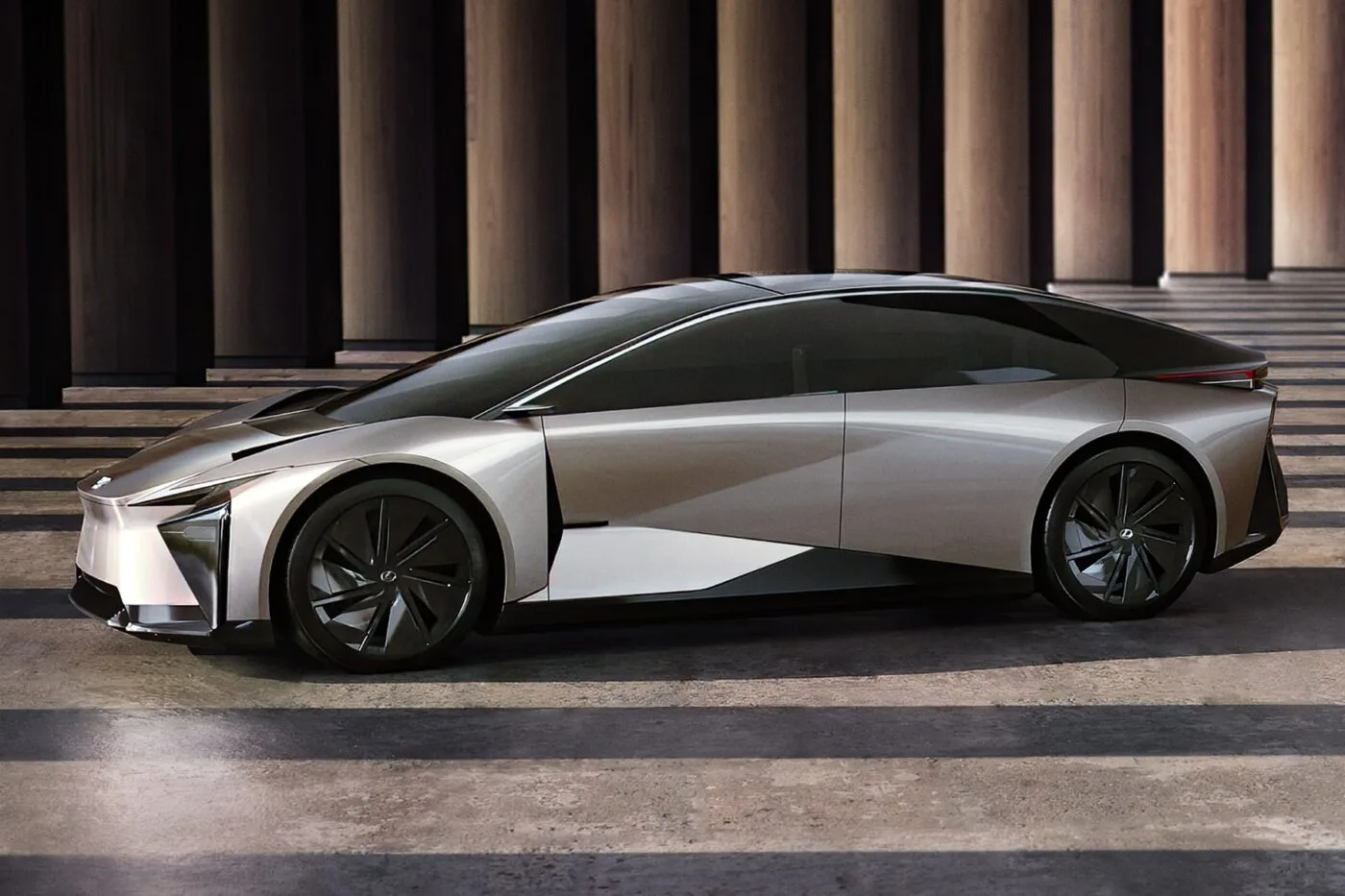
Toyota has reportedly suspended development of a planned battery-electric Lexus saloon that was expected to enter production later this decade, according to a report by Nikkei Asia.
If confirmed, the decision would end plans to bring the Lexus LF-ZC concept, first unveiled in 2023, into series production and marks a significant adjustment to Toyota’s next-generation electric vehicle roadmap.
The LF-ZC, which stands for Lexus Future Zero-emission Catalyst, was originally presented as a preview of a new generation of battery-electric Lexus models and was expected to play a central role in the premium brand’s electrification strategy.
Toyota initially planned to launch the production version of the electric saloon in late 2026 before later postponing the market introduction to mid-2027. Nikkei now reports that the project has been discontinued entirely.
The vehicle was expected to be manufactured at a plant in Aichi Prefecture, Japan, using advanced gigacasting technology. The production method, which has gained attention across the automotive industry, uses large aluminum castings to replace multiple smaller components, reducing manufacturing complexity and potentially lowering production costs.
Despite the reported cancellation of the Lexus EV program, Toyota is expected to continue development of gigacasting technologies.
According to Nikkei, the automaker also remains committed to advancing solid-state battery research, which it views as a key component of future electric vehicle development.
The report suggests Toyota may instead prioritize other electric vehicle segments, particularly sport utility vehicles, as it refines its long-term electrification plans.
The LF-ZC concept was introduced in October 2023 as part of Toyota’s broader strategy to launch a new generation of battery-electric vehicles under the Lexus brand.
At the time, Lexus outlined ambitious plans for both vehicle technology and manufacturing processes.
In addition to gigacasting, the company proposed replacing traditional assembly lines with what it described as a “self-driving assembly line,” a system in which autonomous carriers transport vehicle structures through production facilities rather than relying on conventional conveyor-based manufacturing.
Lexus said the approach could provide greater flexibility in factory layouts, shorten production lead times and reduce capital investment requirements for future vehicle programs.
The LF-ZC concept itself featured a low-slung aerodynamic design and was positioned as a premium electric saloon intended to showcase the brand’s next-generation software, battery and manufacturing technologies.
Neither Toyota nor Lexus has officially confirmed the reported cancellation.
However, the move would reflect a broader trend among global automakers reassessing electric vehicle investment priorities amid evolving market demand, intensifying competition and changing regulatory environments.
While the future of the LF-ZC remains uncertain, Toyota appears to be maintaining investment in the underlying technologies that were expected to support the project, including gigacasting, advanced manufacturing systems and solid-state batteries.
Those technologies could ultimately reappear in future battery-electric models, even if the LF-ZC itself never reaches production.