
Tesla has introduced a significant update to its Autopilot visualization system, expanding the range of vehicles and objects its cars can render on the center touchscreen. The update marks another step in the automaker’s effort to make its Autopilot and Full Self-Driving (FSD) systems more accurate and visually informative for drivers.
The Autopilot visualization, displayed on the vehicle’s central touchscreen, shows a live digital representation of the car’s surroundings — including nearby vehicles, pedestrians, and obstacles. While Tesla has progressively refined this feature over the years, not every real-world object has been accurately represented. When the system cannot identify an object precisely, it substitutes it with a generic vehicle shape.
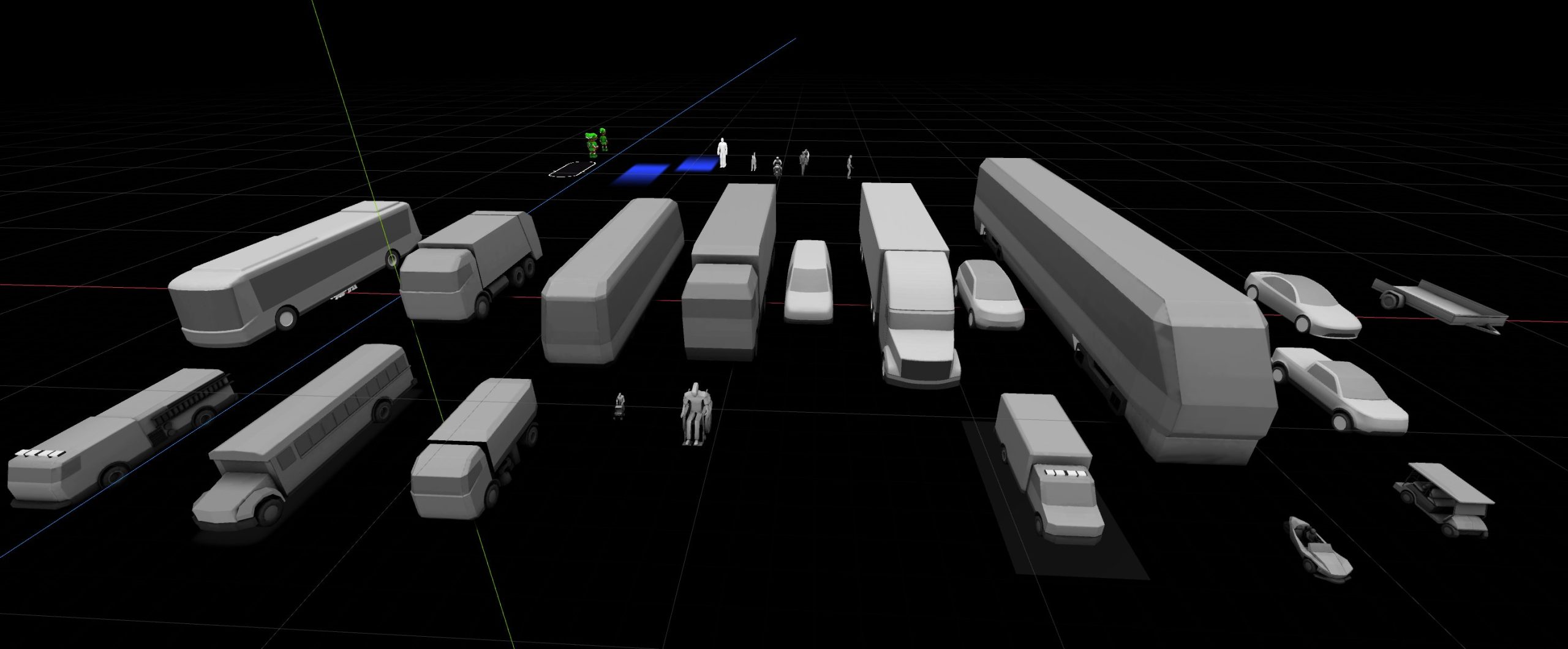
A recent discovery by Tesla software expert @greentheonly revealed a range of new 3D renders hidden in the company’s latest software update. These additions include ambulances, firetrucks, garbage trucks, school buses, European semi-trucks, golf carts, scooters, skateboards, strollers, street sweepers, three-wheelers, trailers, trains, trams, and wheelchairs.
The expanded visualization library aims to provide drivers with a clearer understanding of what the vehicle’s sensors are detecting in real time. For example, instead of a generic box truck standing in for a horse-drawn carriage or an emergency vehicle, drivers will now see a more accurate model displayed on screen.
Tesla has not formally announced the rollout date for the update, but the new renders are expected to appear on vehicles in the coming weeks as part of broader improvements to the company’s driver-assistance software.
See also: Tesla Offers Nearly $5,000 Discount on Full Self-Driving Software in Australia and New Zealand
Visualization is a key component of Tesla’s driver-assistance experience, helping bridge the gap between automated perception and human awareness. The feature has been seen as one of Tesla’s competitive advantages, offering drivers greater transparency about how the car interprets its surroundings.
In a further sign of Tesla’s evolving visualization technology, recent reports indicate that the company plans to use Epic Games’ Unreal Engine to enhance the realism of its driver display environment. While Tesla has not officially confirmed this, references found in the software code for Model S and Model X suggest a future upgrade that could bring more immersive, high-fidelity graphics to its vehicles.