
Taiwan’s government has accelerated the transition to cleaner transport by offering financial incentives to replace older combustion-engine vehicles with electric alternatives, targeting one of the island’s largest sources of urban pollution.
Since launching its vehicle replacement program in 2022, authorities have facilitated the scrapping and replacement of 124,798 aging vehicles, according to the Ministry of Environment. The initiative focuses particularly on motorcycles and scooters, which outnumber cars by roughly two to one and dominate daily transportation.
By the end of 2025, the program had delivered an estimated cumulative reduction of 529,212 metric tons of carbon dioxide equivalent emissions, local media reported. Incentives vary by vehicle type, with higher payments for replacing heavily polluting vehicles such as diesel trucks and smaller amounts for scooters.
Subsidies can reach about NT$16,000 (roughly $500), a significant sum in a market where that amount can approach a monthly salary. Electric scooters are relatively affordable, with some models priced below NT$30,000, making the switch economically attractive when fuel savings are considered.
The program operates nationwide and is supported by local governments in major cities including Tainan and Kaohsiung. Developers participating in greenhouse-gas offset schemes are also required to implement vehicle replacement measures, further increasing participation.
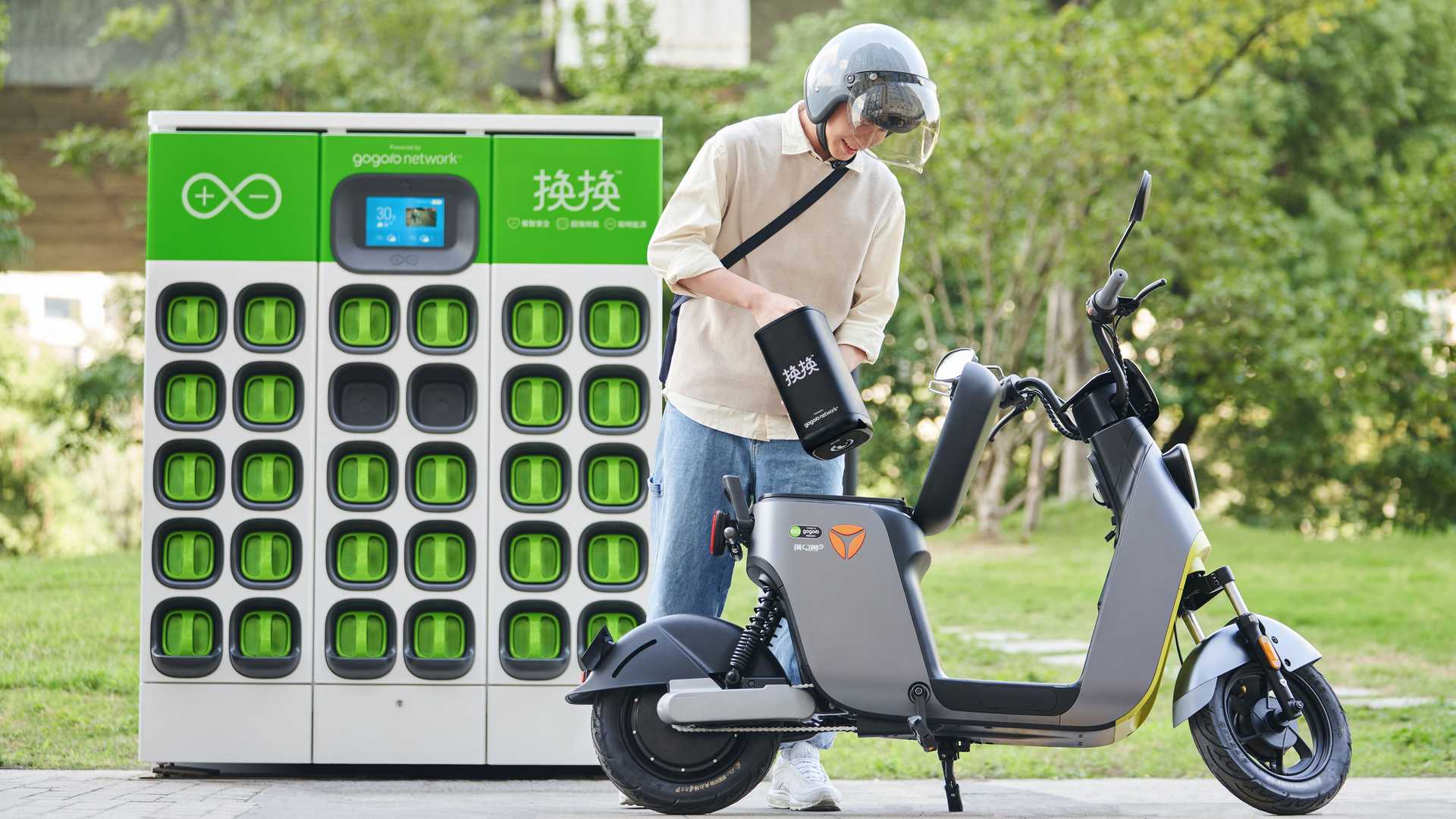
Taiwan’s established electric two-wheeler ecosystem has amplified the policy’s impact. Companies such as Gogoro and KYMCO have built extensive charging and battery-swapping networks, allowing incentives to accelerate adoption without the infrastructure barriers seen in many other markets.
While the replacements represent only a portion of the island’s vast vehicle fleet, officials say the program demonstrates how targeted financial support can significantly reduce emissions in a transport system heavily reliant on two-wheelers.
Source: Electrek