

Switzerland has completed its first real-world pilot of wireless charging technology for electric vehicles, as researchers assessed not only performance under daily driving conditions but also regulatory approval and potential impacts on the national energy system, project partners said.
The trial was carried out under the INLADE project, led by energy supplier Eniwa AG in collaboration with the Swiss Federal Laboratories for Materials Science and Technology (Empa) and several industry partners. The initiative was supported by the Swiss Federal Office of Energy and the cantons of Zurich and Aargau.

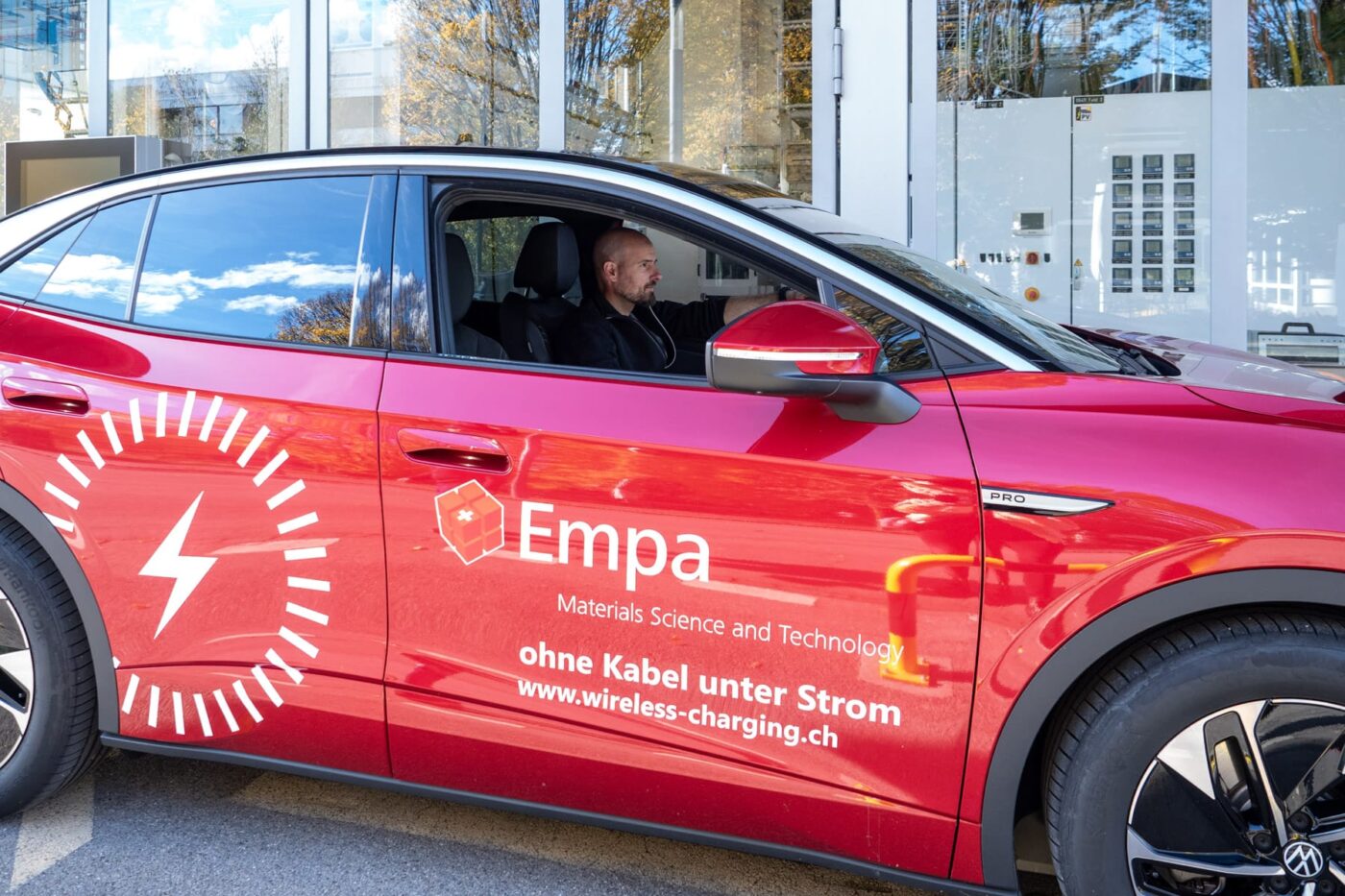
“The aim was to test the existing technology in everyday use, clarify technical and regulatory issues, and demonstrate its potential for the energy transition,” said Mathias Huber from Empa’s department for Chemical Energy Carriers and Vehicle Systems.
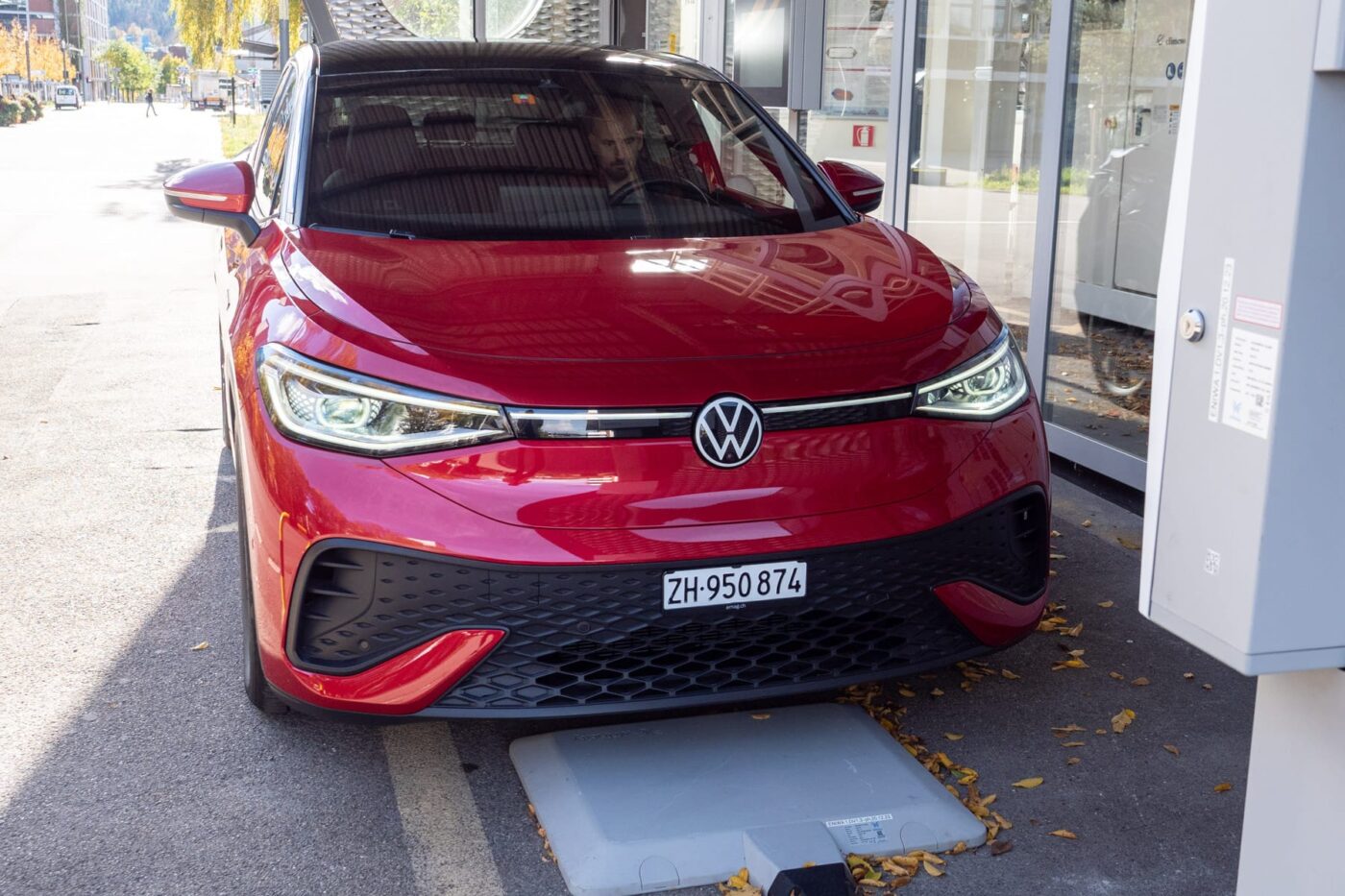
As part of the project, Switzerland’s largest automotive trading group, AMAG Group, retrofitted electric vehicles for inductive charging by installing receiver coils and integrating interfaces with charging management and high-voltage systems. The modified vehicles, including a Volkswagen Group model shown during testing, underwent electromagnetic compatibility and safety certification before receiving individual road approval in Switzerland.
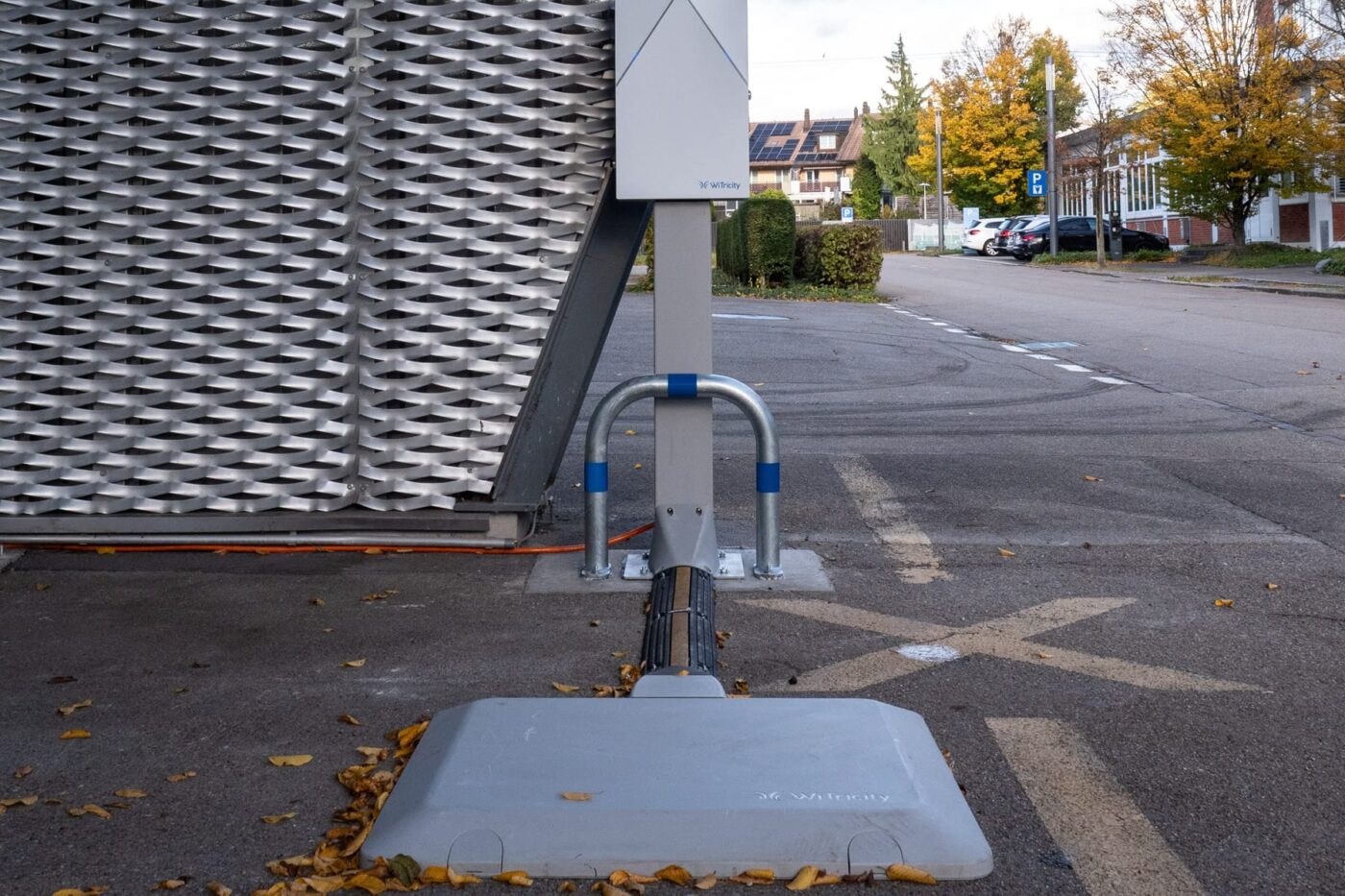
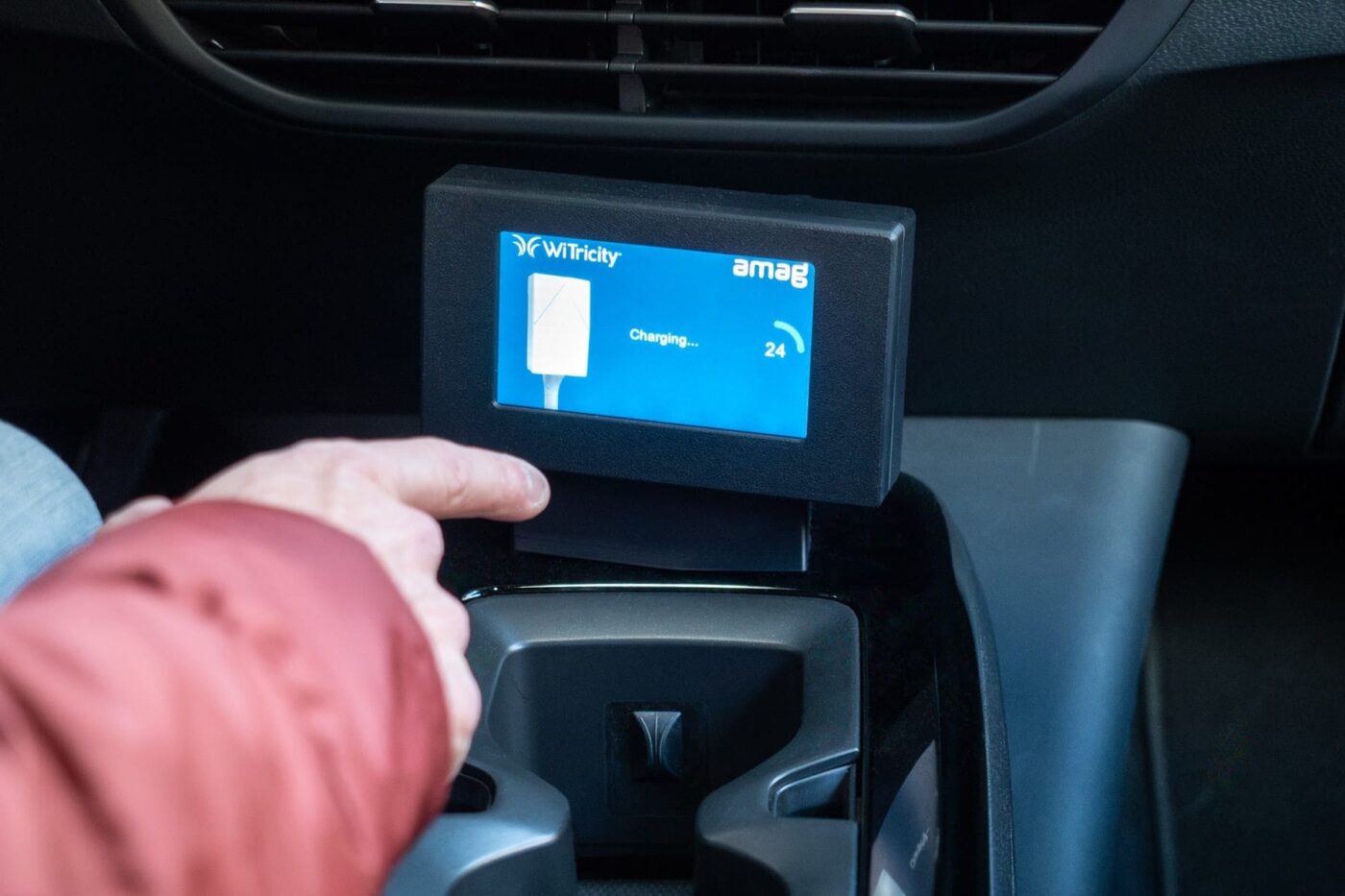
The wireless charging hardware was supplied by U.S.-based specialist WiTricity. Vehicles had to be positioned precisely above a ground-mounted charging plate to ensure a strong inductive connection. Empa said a positioning screen supported accurate parking during the trial, while future systems are expected to rely on automated parking functions. Once alignment and safety checks were completed, charging started automatically.
Beyond technical operation, researchers examined system efficiency and battery effects under real-world conditions including snow, rain, temperature changes and minor parking misalignments. Empa said inductive charging achieved an efficiency of about 90%, which it described as “comparable to charging via cable,” although still below the 94% to 98% efficiency typically seen with wired charging depending on power levels.
Researchers also highlighted the potential benefits for grid integration. Inductive systems can support bidirectional charging, allowing vehicle batteries to operate as distributed energy storage. “The big advantage of an inductive system is that vehicles are connected to the grid much more frequently without the need for any active intervention – a plus for both convenience and the energy transition,” Huber said.