


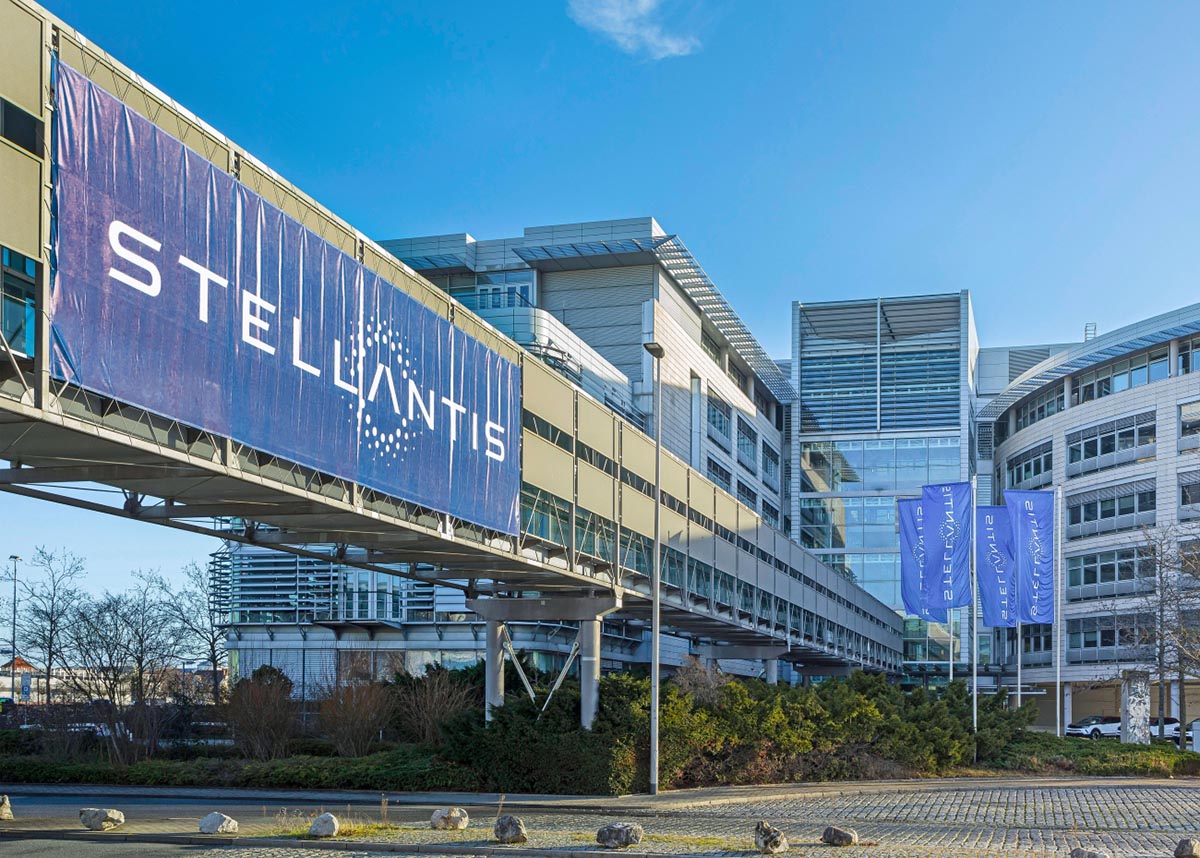
Stellantis said on Tuesday it expects to incur €1.5 billion in costs this year due to U.S. tariffs on vehicles and car parts, after absorbing €300 million in the first half of 2025. The automaker’s comments come as it grapples with a steep decline in profits, project cancellations, and broader macroeconomic pressures.
The world’s fourth-largest automaker reported a sharp fall in net profit to a €2.3 billion loss in the first half of 2025, compared to a €5.6 billion profit in the same period last year. The company cited a €3.3 billion charge related to the cancellation of a hydrogen fuel cell project, regulatory adjustments under U.S. emissions rules, and asset write-downs on platform investments.
Stellantis, which produces brands including Fiat, Peugeot, Lancia, and Maserati, said net revenues declined by 13% year-on-year to €74.3 billion. However, it expects both revenue and cash flow to improve in the second half of the year.
The ongoing tariff burden comes amid heightened risks for the carmaker, including potential delays in model launches, plant shutdowns, and growing tensions with labor unions as management works to offset financial strain.
Stellantis’ CEO Antonio Filosa, who took over in June, reiterated his commitment to driving operational improvements and strategic recovery. “My first weeks as CEO have reconfirmed my strong conviction that we will fix what’s wrong with Stellantis,” he said. “The new executive team will continue to make the tough decisions needed to re-establish profitable growth and significantly improve results.”
The European auto industry, responsible for nearly 7% of EU GDP and supporting approximately 14 million jobs, has voiced growing concern over trade barriers. The sector contributes significantly to the EU’s export surplus and invests more than €70 billion annually in innovation and engineering.