



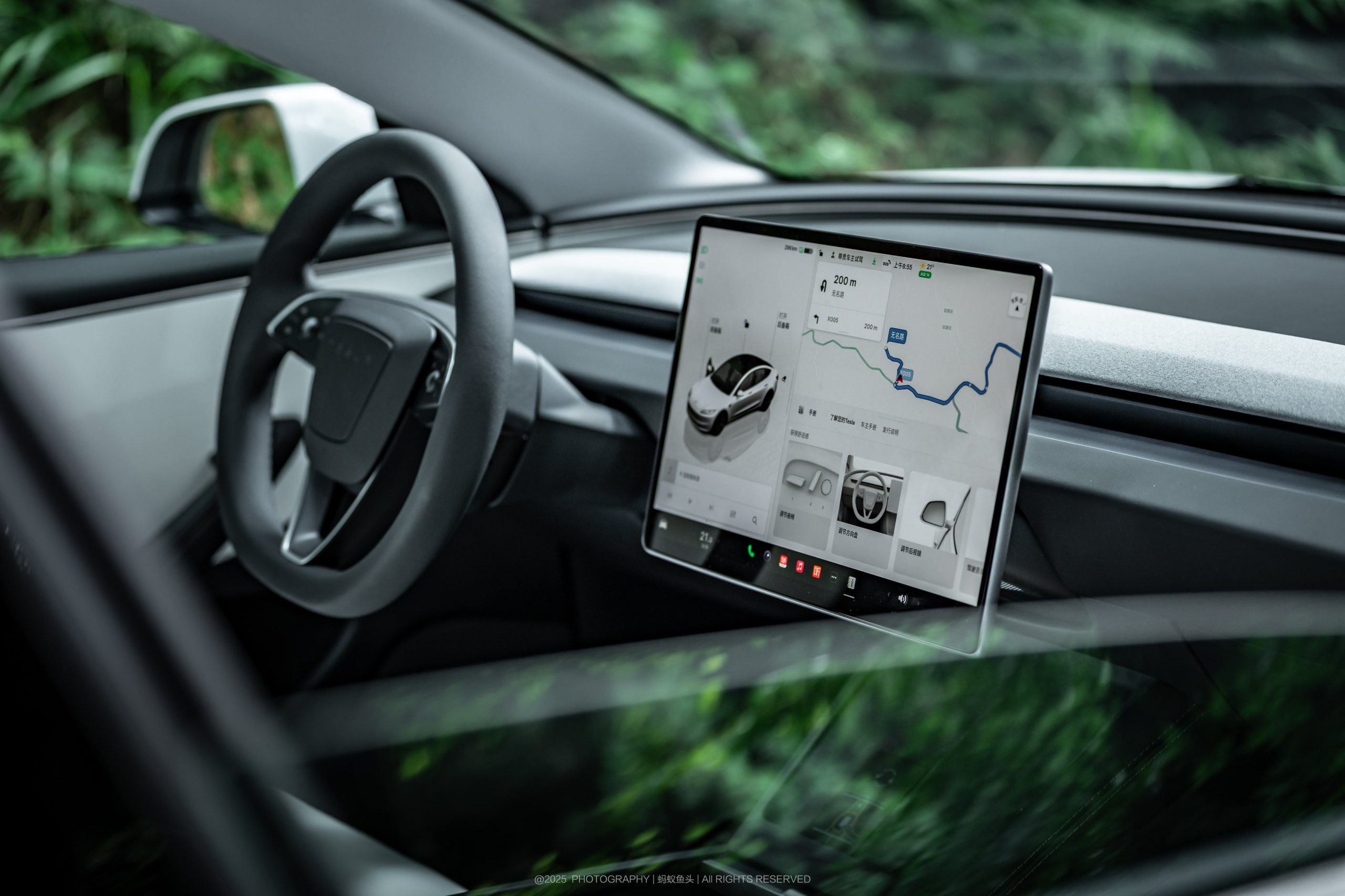
Spain has introduced a nationwide regulatory framework for testing autonomous vehicles, granting Tesla approval to run advanced trials on public roads under a structured authorization system that allows for remote, driverless supervision.
The Directorate General for Traffic (DGT) last week published updated details confirming that testing is now active nationwide under the Automated Vehicle Testing Authorization Framework, known as ES-AV. The framework formalizes how companies can test automated driving systems, from early development to technologies approaching commercial deployment.
See also: Musk Says Legacy Automakers Show Limited Interest in Licensing Tesla’s FSD Technology
According to the DGT’s public transparency dashboard, Tesla has been issued authorization FVA-03/2025, covering 19 vehicles that may operate anywhere in Spain on national roads for a two-year testing window running through November 2027. The approval is among the most extensive currently granted in Europe.
Spain has now advanced the ES-AV program into Phase 3, the most mature pre-deployment stage. Under this stage, testing is permitted across any operational design domain, more than 10 vehicles may operate simultaneously, an on-board safety driver is optional, and a remote security operator is mandatory. The change allows driverless testing under remote supervision, a model already permitted in limited jurisdictions in the United States and China.
See also: Tesla’s FSD Version 14 May Allow Texting While Driving, Says Musk
Tesla is not the only participant in Spain’s autonomous testing program. UK-based autonomous driving startup Wayve, backed by Microsoft and SoftBank, holds authorization for three test vehicles, while Renault is operating trials with two autonomous shuttle vehicles, according to the DGT portal. The government has made test permits, vehicle numbers and operating status publicly visible through the platform.
Spain has said openness is a central objective of the program, stating it is “committed to the transparency of test results as a means of encouraging the deployment of automated vehicles.”
Tesla’s approval comes as the U.S. automaker expands its regulatory engagement across Europe in preparation for broader deployment of its Full Self-Driving (Supervised) system. Over the past year, the company has rolled out limited FSD programs in several European Union countries and worked with national regulators to align its technology with upcoming continent-wide automated driving rules.
See also: Tesla Plans “FSD 14 Lite” for Legacy Model Y Owners with Hardware 3.0 by 2026
The company is targeting formal European approval beginning in the Netherlands as early as February 2026. Spain’s nationwide authorization, which includes unrestricted routes, remote operation and a multi-vehicle test fleet, adds a significant new source of real-world driving data as Tesla prepares regulatory submissions.
To further support its data collection, Tesla has also launched customer ride-along programs using its FSD system in Italy, France and Germany, marking the first time such supervised public testing has been offered in Europe.
Source: Drive Tesla


