



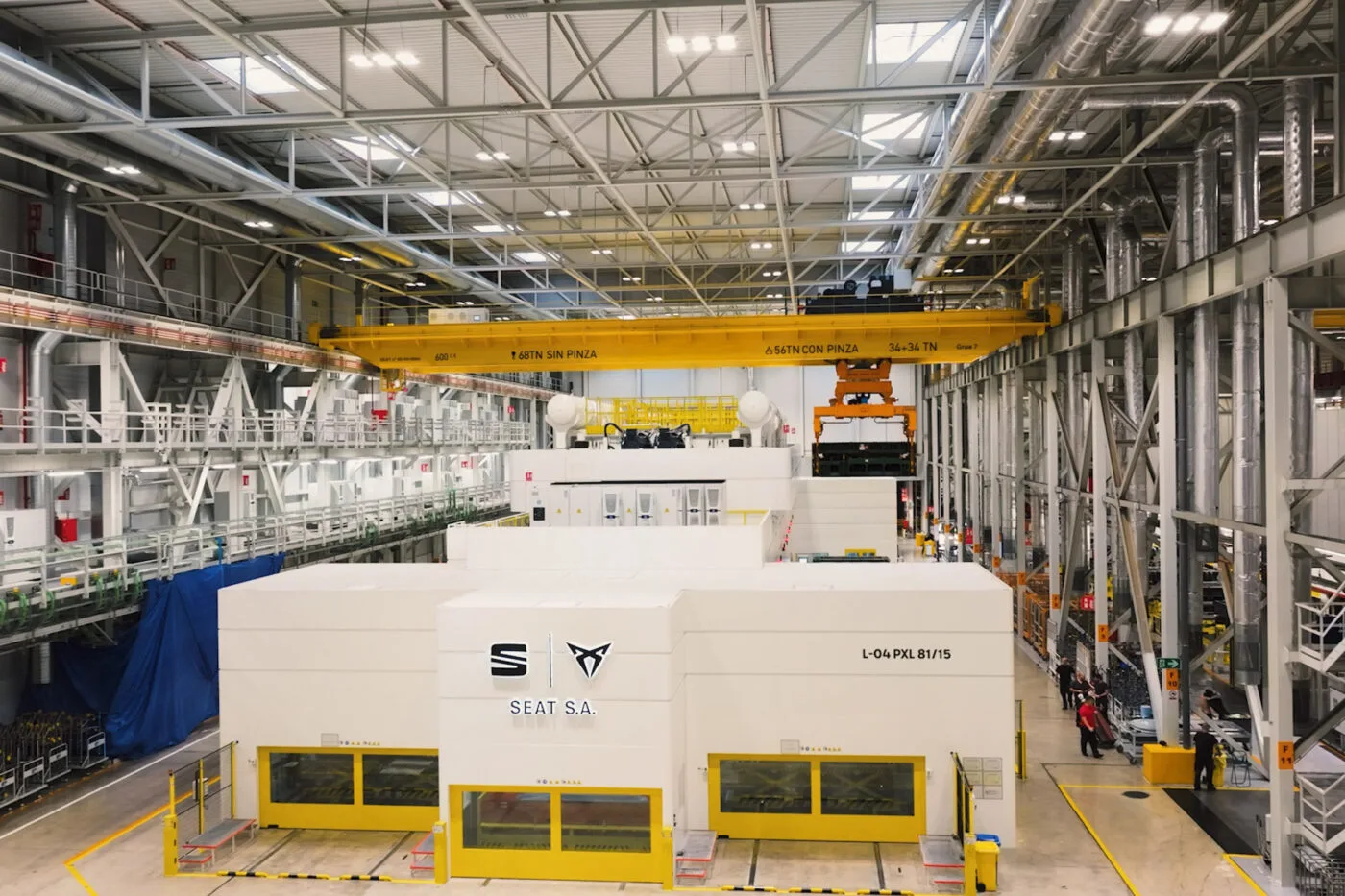
Seat has inaugurated a new PXL press line at its main manufacturing facility in Martorell, Spain, a significant milestone in the company’s preparations for producing its next generation of small electric vehicles. The press line, comprising six interconnected presses, will be capable of stamping up to four million body parts annually for Seat’s current models and, from 2026, for the Cupra Raval and Volkswagen ID. Polo.
According to Seat, the €multi-million investment forms part of a broader strategy to modernize its Martorell operations, including new battery assembly facilities, advanced training for employees, and upgrades to production equipment. The PXL press, which took 40 months to develop and construct, is described by the company as “more efficient, more powerful, and more connected” than previous systems. “Thanks to its 15 strokes per minute, we can stamp more parts in less time, with maximum efficiency,” said Alicia Molina, Head of Production Process Development at Seat and Cupra.
See also: Seat Advances Toward EV Production with Pre-Series Battery Assembly and New PXL Press at Martorell

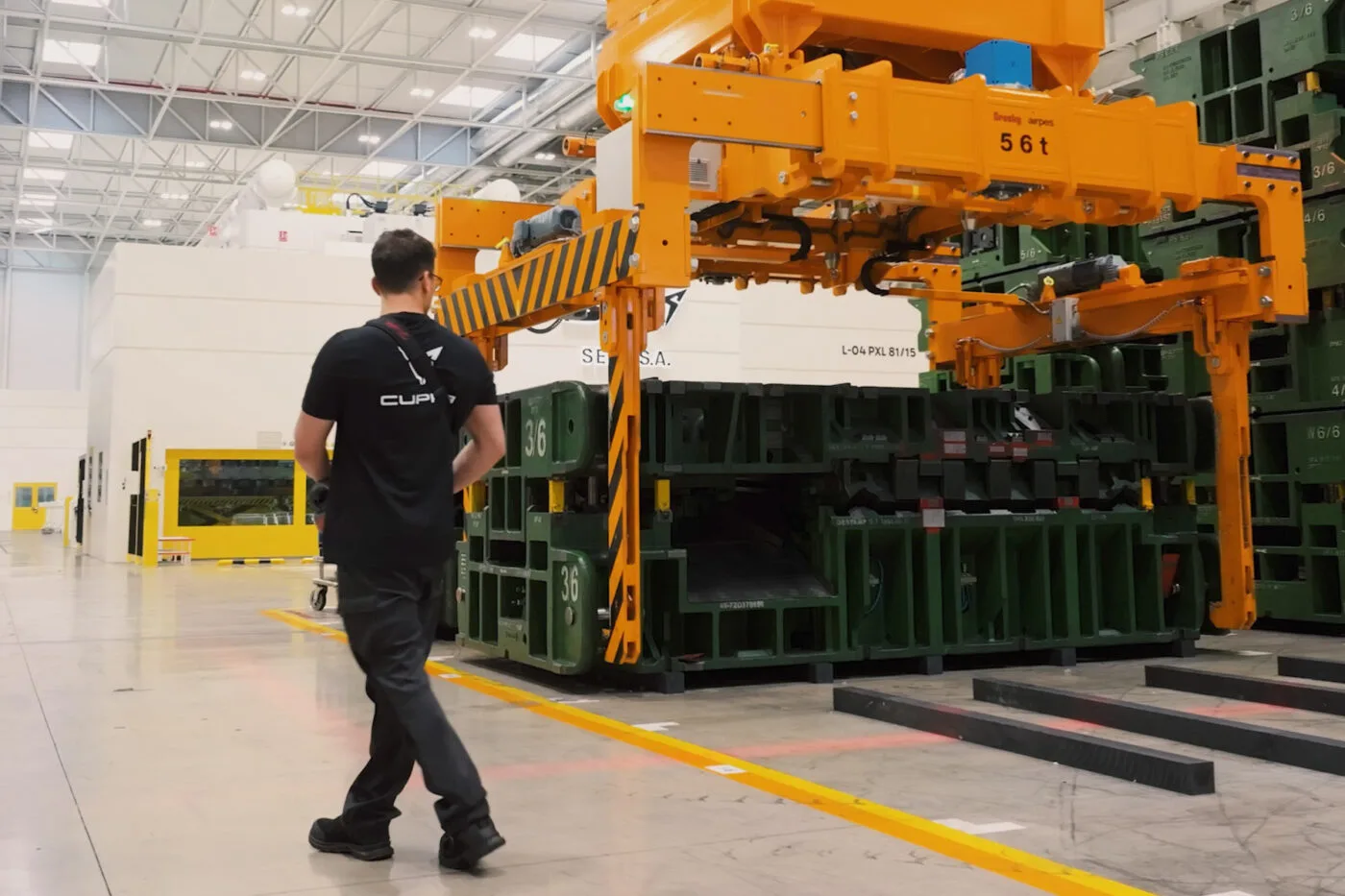
The new system also enables faster transitions between production runs. “By fully automating this process, we have managed to decrease the time it takes to change dies to just five minutes between finishing the last part in a series and starting production of the first in the next one,” said José Arreche, plant manager in Martorell. Seat added that the press can perform up to 15 tool changes per day, increasing flexibility for producing different components.
Seat described the development and construction of the new press as an “industrial masterpiece,” noting that it required extensive civil engineering work to withstand its 81,000 kilonewtons of force. “The press sits atop a 9-metre-deep pit and 20-metre-deep concrete pile foundations, equivalent to the height of a seven-storey building,” the company said. While the system already records about 3,000 data points per stamping process, Seat plans to use this information for predictive maintenance and production optimization once its data analysis systems are fully operational.
See also: Seat to Lead Volkswagen’s Spanish Production of Electric Small Cars, Targeting 800,000 Units by 2030
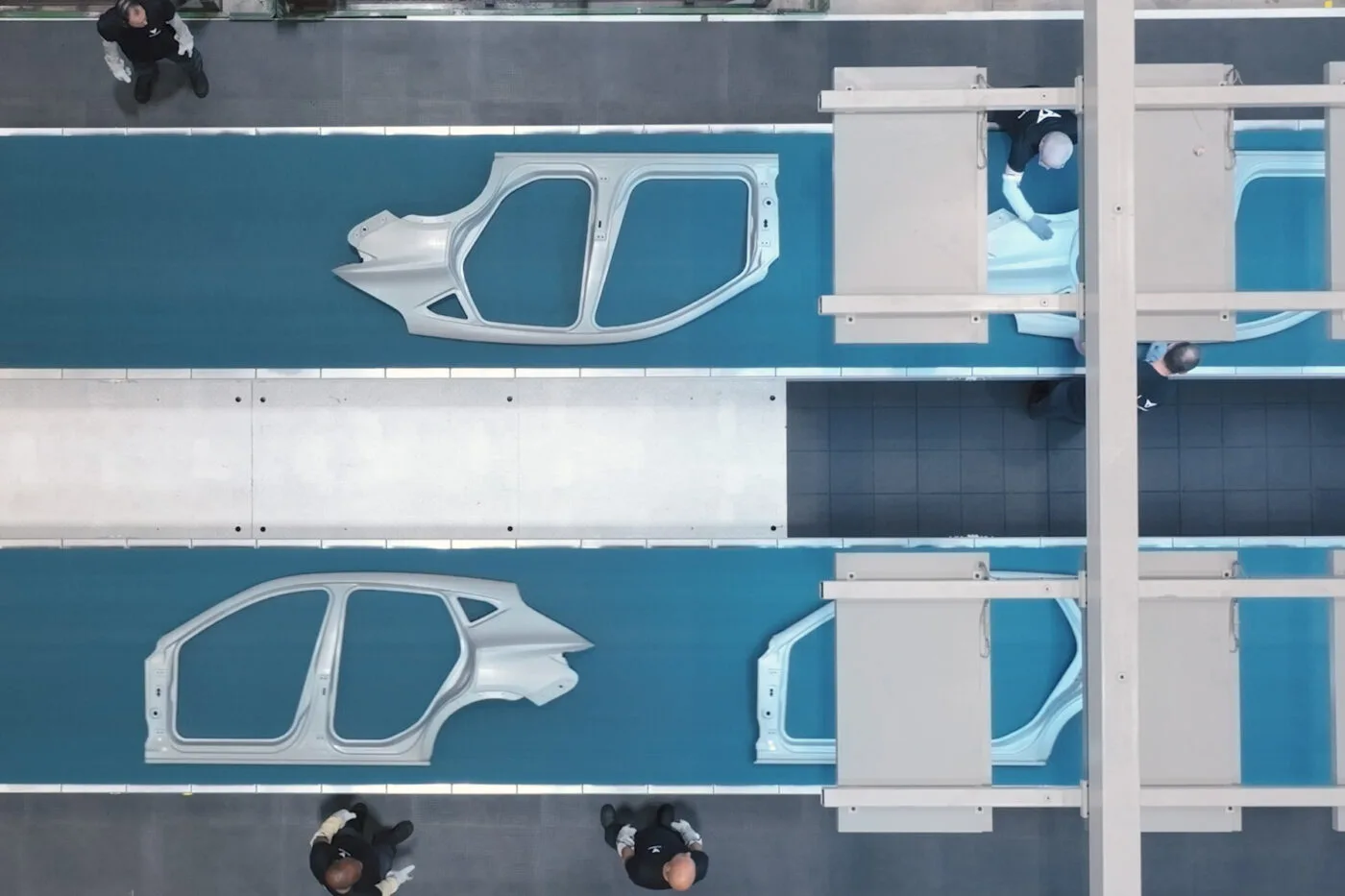
Preparations at Martorell have been underway for months. Earlier this year, Seat shifted production of its Ibiza and Arona combustion-engine models to make space for the upcoming Electric Urban Car line. Pre-series production of the Cupra Raval and VW ID. Polo is scheduled to begin later this year, ahead of full-scale manufacturing in 2026.


