


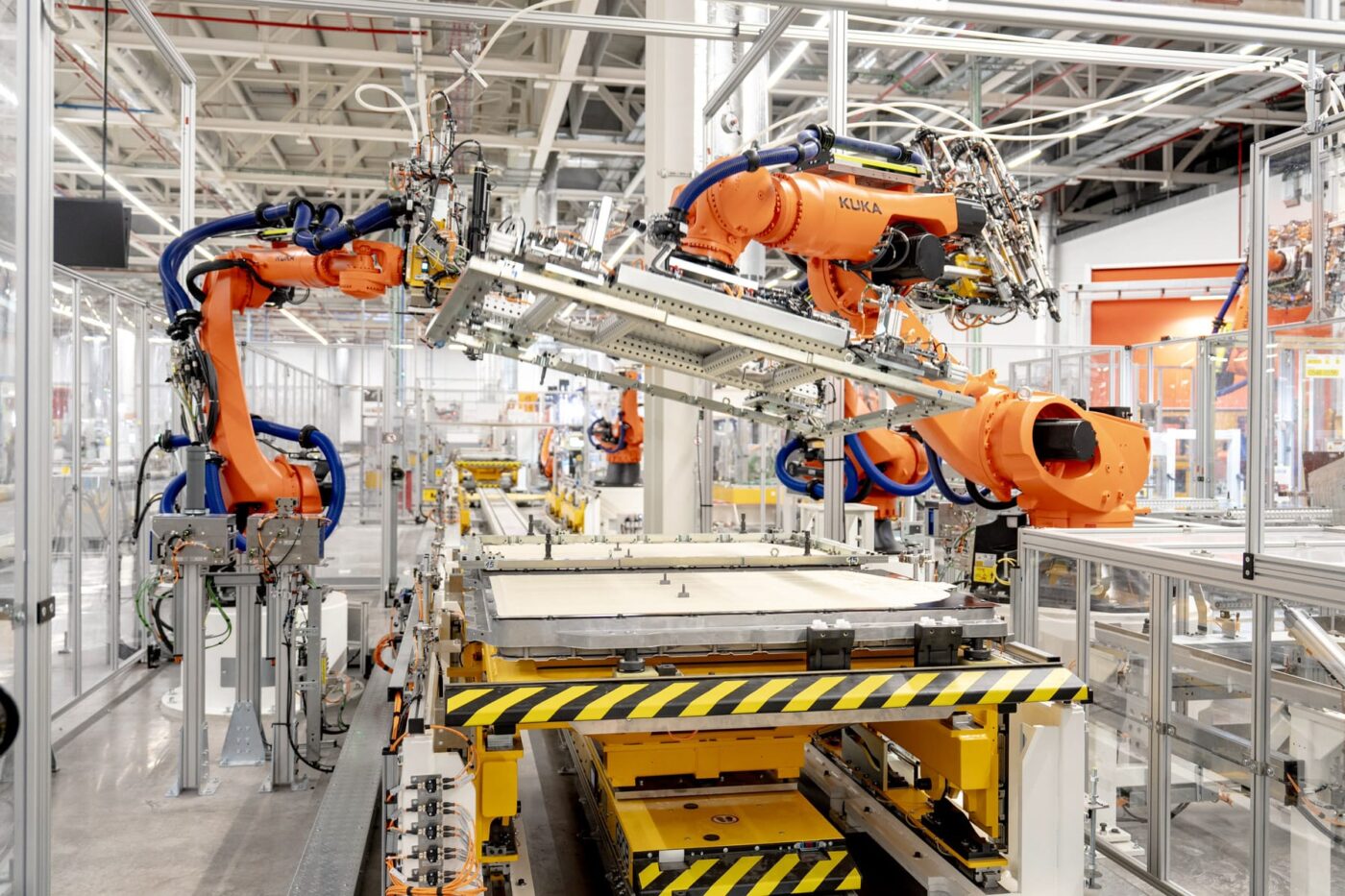
Seat and Cupra inaugurated a new battery system assembly plant in Martorell, Spain, marking a key step in the Volkswagen Group’s push to localise electric vehicle production and position Spain as a hub for small electric cars in Europe.
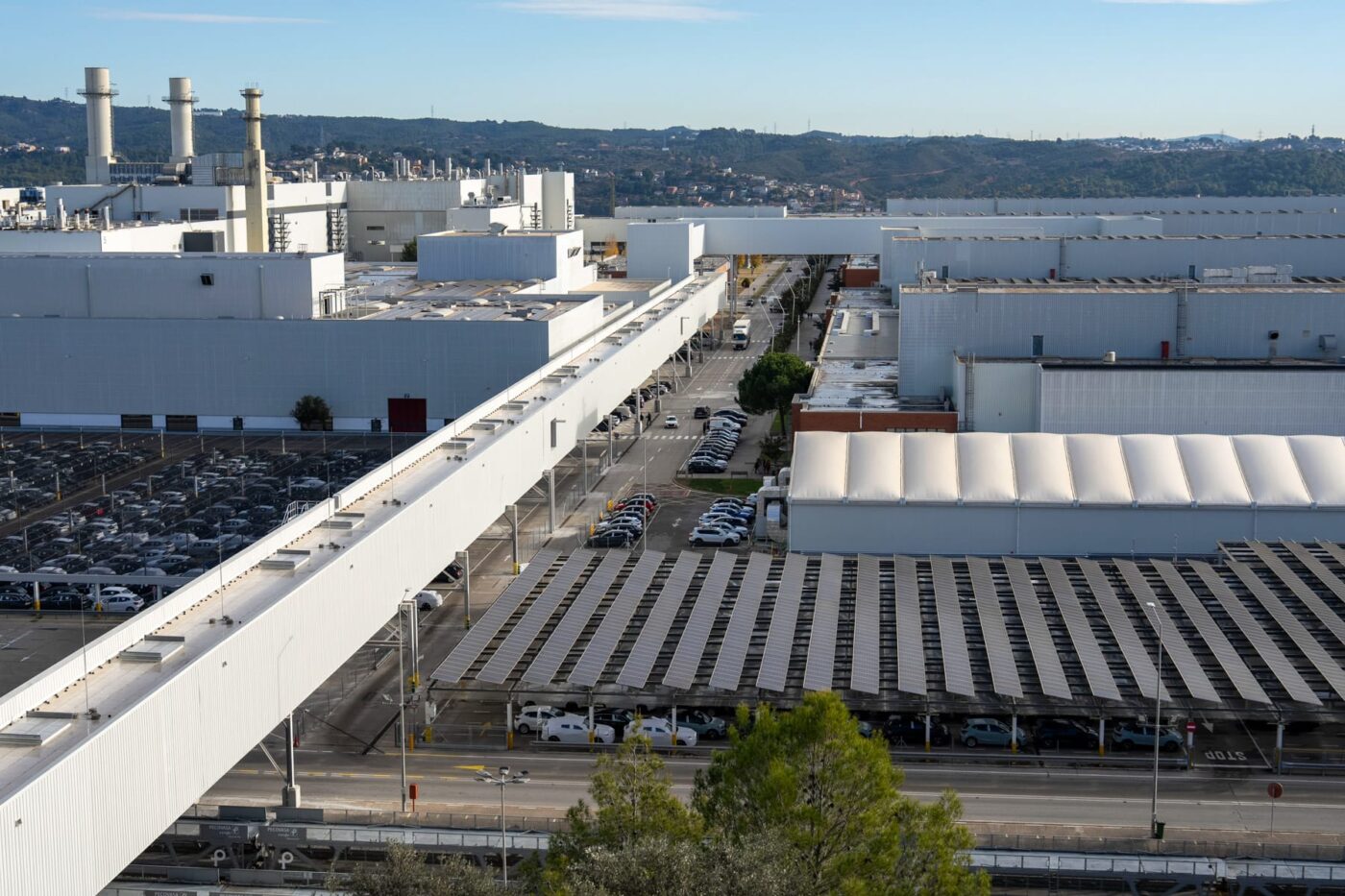
Built with an investment of 300 million euros ($325 million), the facility spans 64,000 square metres and is capable of assembling one battery system every 45 seconds, or up to 300,000 units per year. From 2026, the plant will exclusively supply battery systems for the Cupra Raval and the Volkswagen ID. Polo, which are due to enter series production next year. The batteries will be transported automatically to the nearby vehicle assembly hall via a 600-metre bridge.
See also: Seat Opens Advanced PXL Press Line at Martorell Plant to Support Small Electric Car Production

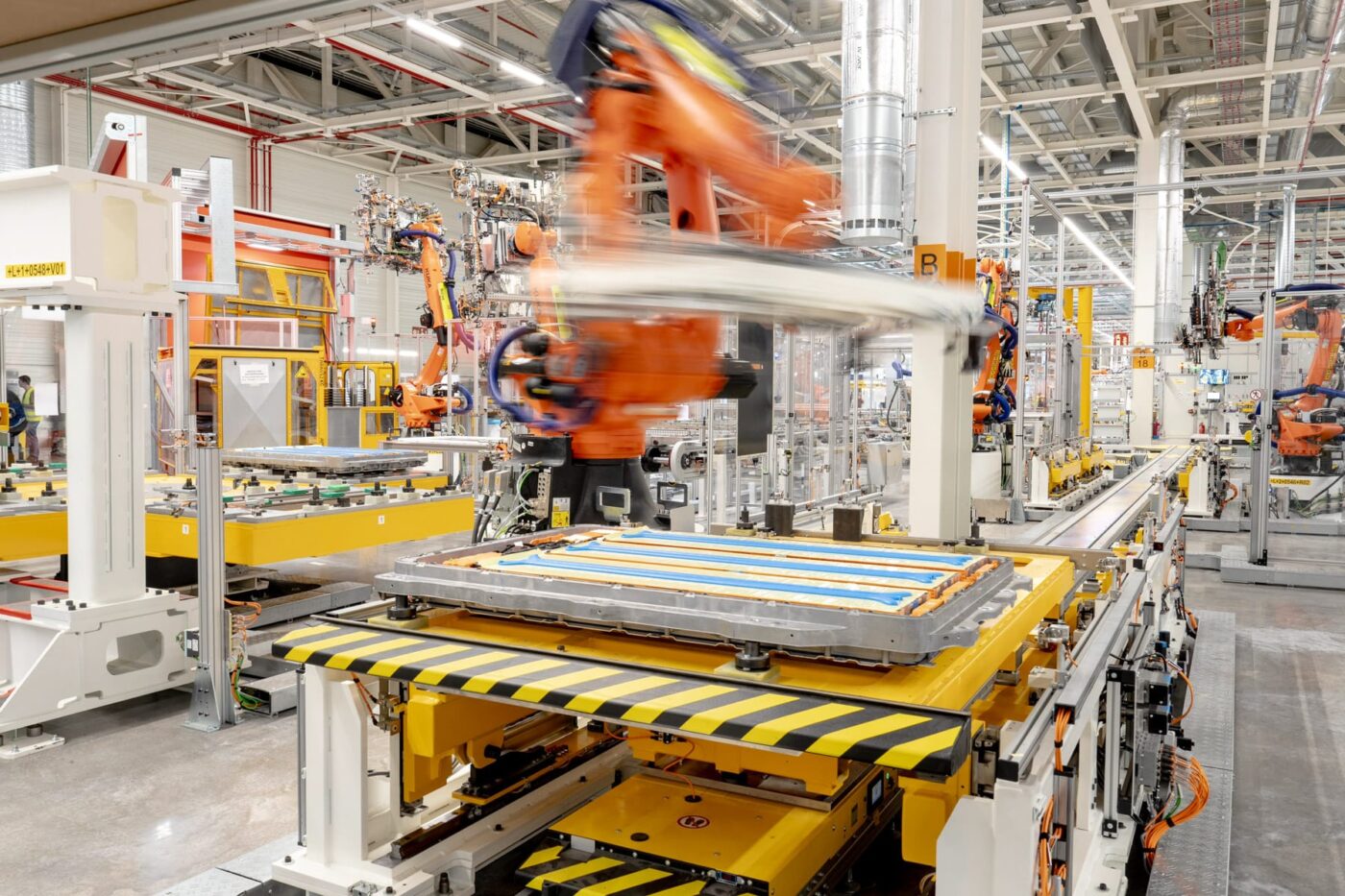
Seat said the opening represents “a crucial milestone in the transformation of the company and of the country,” adding that the project strengthens Spain’s role in Europe’s electromobility transition. Production facilities for both electric models have already been operating since November as part of the ramp-up phase.
The company said sustainability measures are central to the plant’s design. Around 11,000 solar panels installed on the roof are expected to provide about 70% of the electricity needed for battery system assembly, while a rainwater collection system with the capacity of three Olympic-sized swimming pools will support water reuse.
See also: Markus Haupt Named Permanent CEO of Seat and Cupra
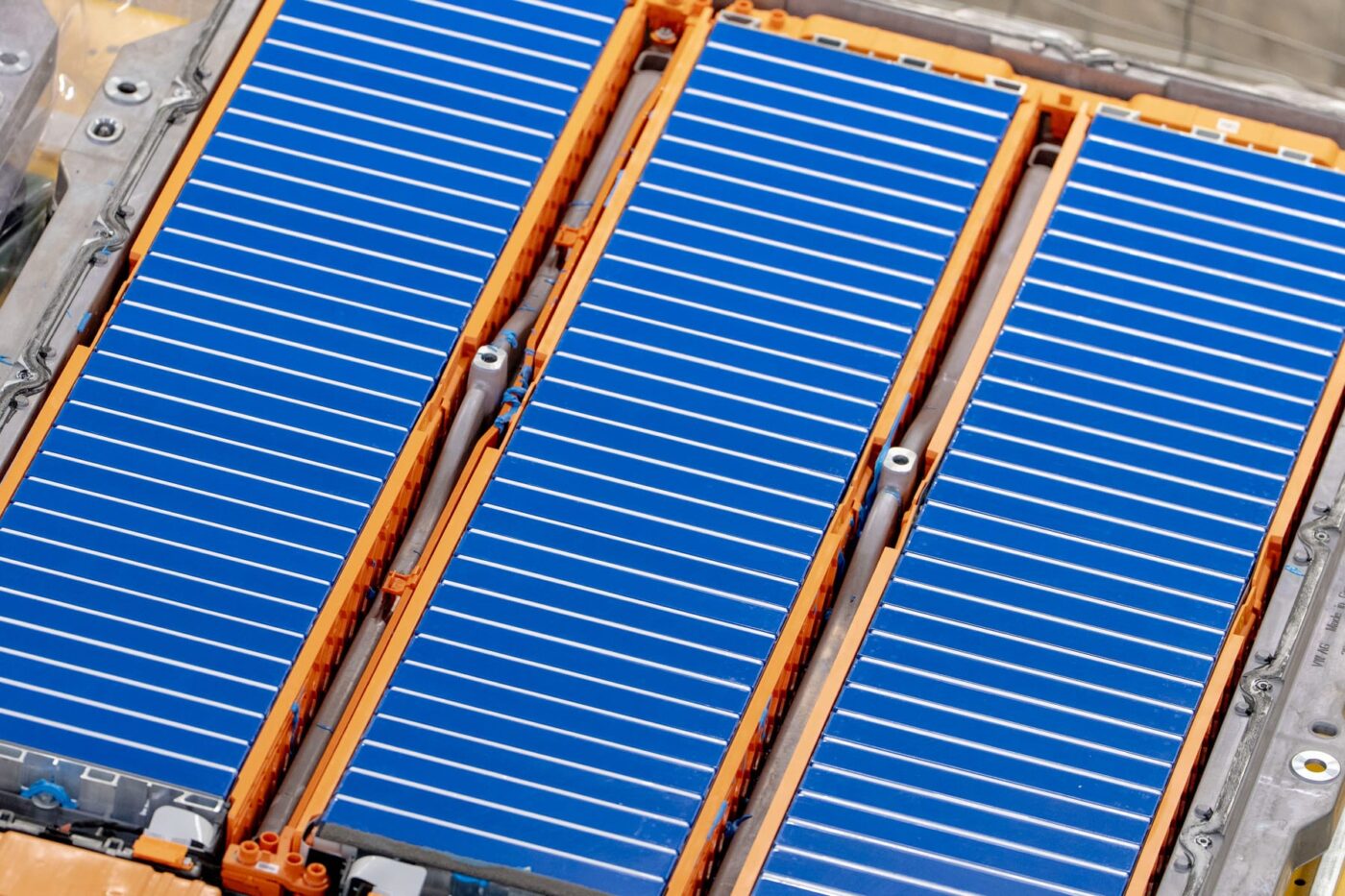
Seat has not yet confirmed the source of the battery cells to be assembled at Martorell. While the original plan envisaged supply from Volkswagen’s battery cell factory in Sagunt near Valencia, that facility is still under construction. In the interim, cells are expected to come from PowerCo’s plant in Salzgitter, Germany, which is scheduled to start production this December.
The batteries assembled at Martorell will use Volkswagen’s unified cell-to-pack design, eliminating the traditional module level to improve energy density and reduce costs—an important factor for the price-sensitive compact car segment. “Right now we are moving from the passenger seat to the driver’s seat in the core technology of the electric world,” said Günther Mendl, head of Volkswagen Group’s Center of Excellence for Battery Technology, calling the unified cell “our global technology platform allowing unprecedented speed, scale, and flexibility.”
See also: Seat Advances Toward EV Production with Pre-Series Battery Assembly and New PXL Press at Martorell
Markus Haupt, chief executive of Seat & Cupra, said the new plant marks a turning point for the brands. “We are ready to produce 100% electric Made in Spain cars that will make electric mobility accessible across Europe,” he said, adding that Martorell is now “the epicentre of the mobility of the future.”