



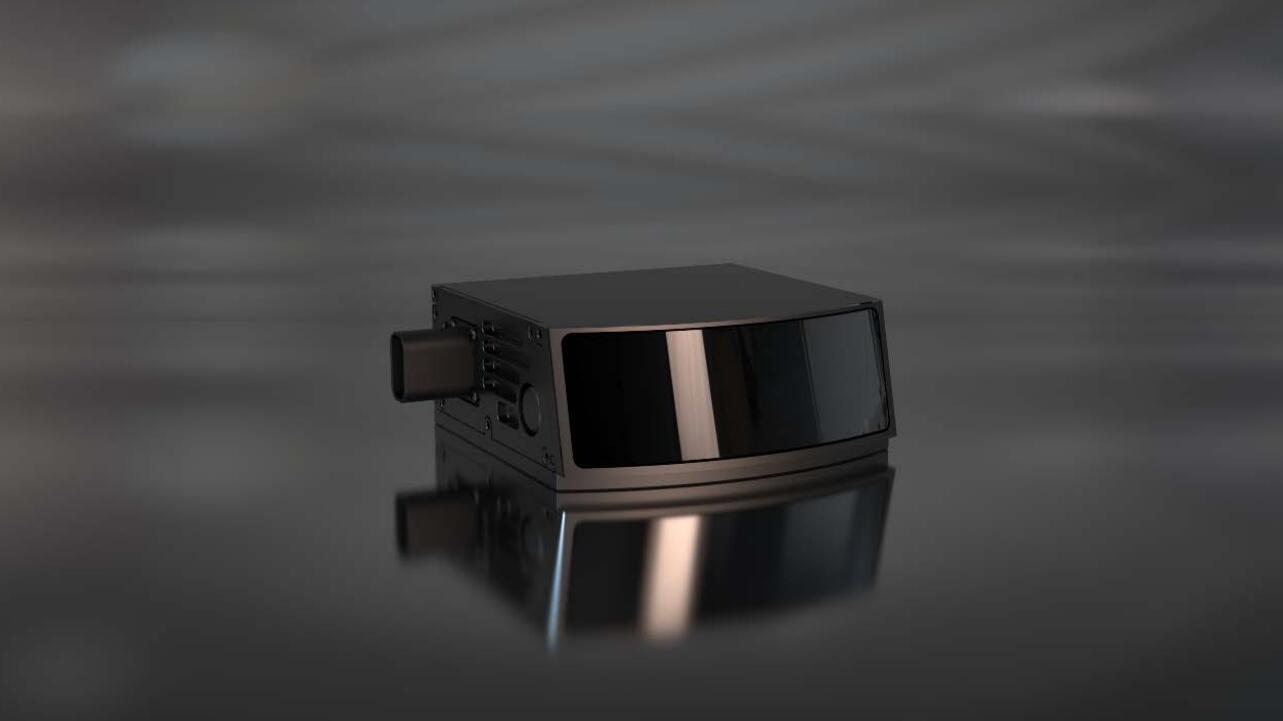
Chinese LiDAR manufacturer RoboSense reported a sharp increase in robotics-related sensor shipments in the first quarter of 2026, with deliveries rising more than fourteenfold from a year earlier and surpassing its automotive business for the first time.
The Shenzhen-based company said robotics LiDAR shipments jumped 1,458.8% year-on-year to 185,500 units during the quarter, accounting for more than 56% of total deliveries.
The shift marks a significant milestone for RoboSense, as its robotics segment overtook advanced driver assistance systems (ADAS) as the company’s largest source of shipment volume.
Overall LiDAR shipments reached 330,300 units in the first quarter, an increase of 204.1% compared with the same period last year.
The strong shipment growth helped drive quarterly revenue to a record 458.8 million yuan ($67.7 million), up 39.9% year-on-year, according to the company’s latest earnings report.
RoboSense also reported a narrower net loss of 64 million yuan during the quarter, representing a 36% improvement from a year earlier. However, the company said operating losses widened when excluding one-off investment-related gains.
The rapid expansion of RoboSense’s robotics business has been supported by partnerships with several leading robotics companies.
The company said it has secured exclusive supply agreements with robotic equipment manufacturers including Roborock and Segway Navimow.
In the autonomous delivery sector, RoboSense said its sensors have also been adopted by companies such as Neolix.
Despite the strong volume growth, profitability remained under pressure.
Gross margin declined to 21.7% during the quarter, down 6.7 percentage points from the previous quarter.
According to analysts at Deutsche Bank, the decline was largely driven by a sharp reduction in average selling prices.
The blended average selling price fell 52% year-on-year to 1,336 yuan, the lowest level since the company’s founding. Analysts attributed the decline to changes in product mix, as lower-priced blind-spot sensors and LiDAR units used in robotic lawn mowers represented approximately half of total quarterly shipments.
Nevertheless, RoboSense said it expects robotics LiDAR gross margins to remain between 30% and 40% for the full year.
Looking ahead, the company forecast total LiDAR deliveries of between 2 million and 2.7 million units in 2026, representing two to three times the level achieved in 2025.
Shipments of robotics-focused LiDAR products are expected to reach between 800,000 and 1 million units during the year, roughly triple the previous year’s volume.
To improve profitability and reduce manufacturing costs, RoboSense introduced its self-developed SPAD-SoC chip architecture, named Eocene, in April.
The company’s new Phoenix chip, built on the Eocene platform, supports a native resolution of 2,160 channels and is expected to reduce internal production costs by approximately 50%.
While robotics has become the primary growth driver, the automotive business remains a significant part of RoboSense’s operations.
The company said its ADAS business currently has an order backlog exceeding 9 million units across 177 vehicle programs.
RoboSense also continues to expand partnerships with major automakers, including BYD, as it seeks to increase adoption of its LiDAR technology across both premium and mass-market electric vehicle segments.
The results underscore the growing role of LiDAR technology in robotics applications beyond the automotive sector, as demand increases for autonomous cleaning devices, robotic lawn mowers, delivery vehicles and other intelligent machines requiring advanced perception systems.