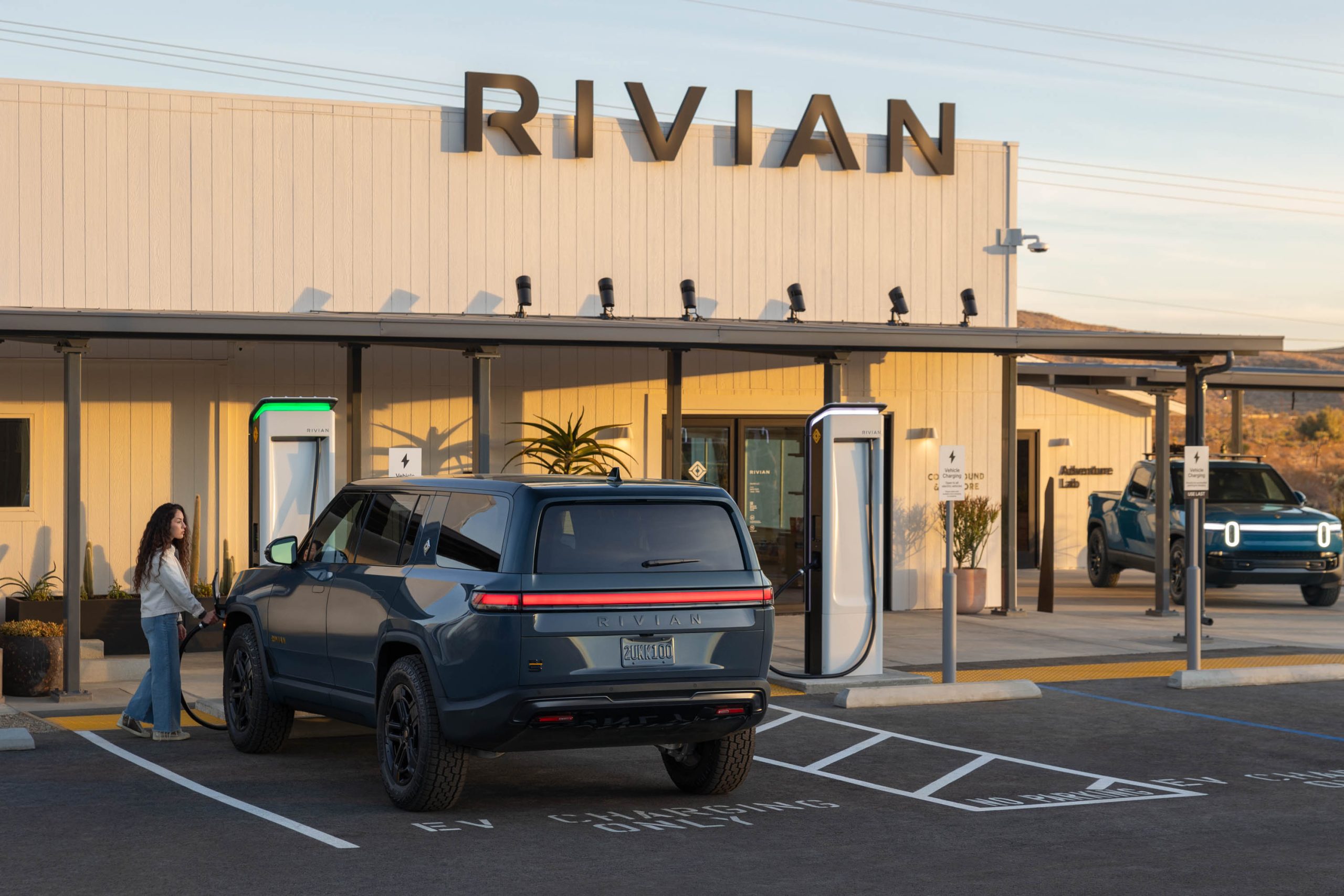
Electric vehicle manufacturer Rivian Automotive has projected a decline in vehicle deliveries for the current year, citing economic uncertainties and shifting consumer preferences. Despite this, the company anticipates achieving a modest gross profit, attributed to reductions in raw material and supply chain costs.
The company expects to deliver between 46,000 and 51,000 vehicles this year, falling short of Wall Street’s forecast of 55,520 units, according to data from 15 analysts polled by Visible Alpha. In the previous year, Rivian delivered 51,579 vehicles.
See also: Rivian Unveils California Dune Edition of Tri-Motor R1 with Off-Road Upgrades
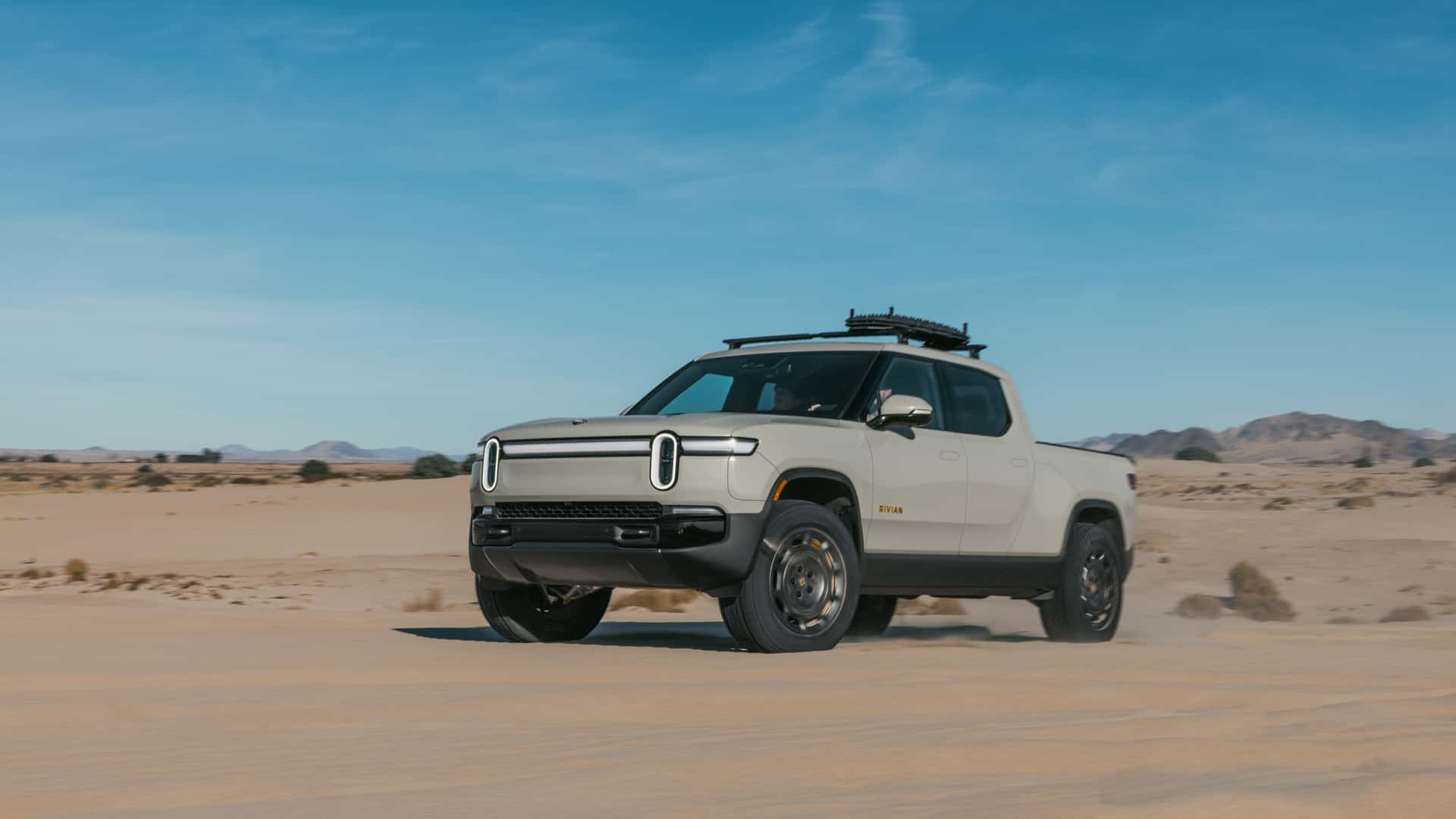
CEO RJ Scaringe highlighted potential cost increases due to proposed tariffs on imports from Mexico and Canada by the Trump administration. “We have a supply chain that does have a footprint in both Mexico and Canada, and so large tariffs being applied will just translate to higher costs for us,” Scaringe told Reuters. He added, “There is such a high level of uncertainty that will ultimately impact consumer behavior and top-line revenue.”
In the fourth quarter, Rivian reported its first-ever gross profit of $170 million, a significant turnaround from a loss of $606 million in the same period the previous year. Revenue for the quarter stood at $1.73 billion, surpassing analysts’ average estimate of $1.4 billion, according to LSEG data.
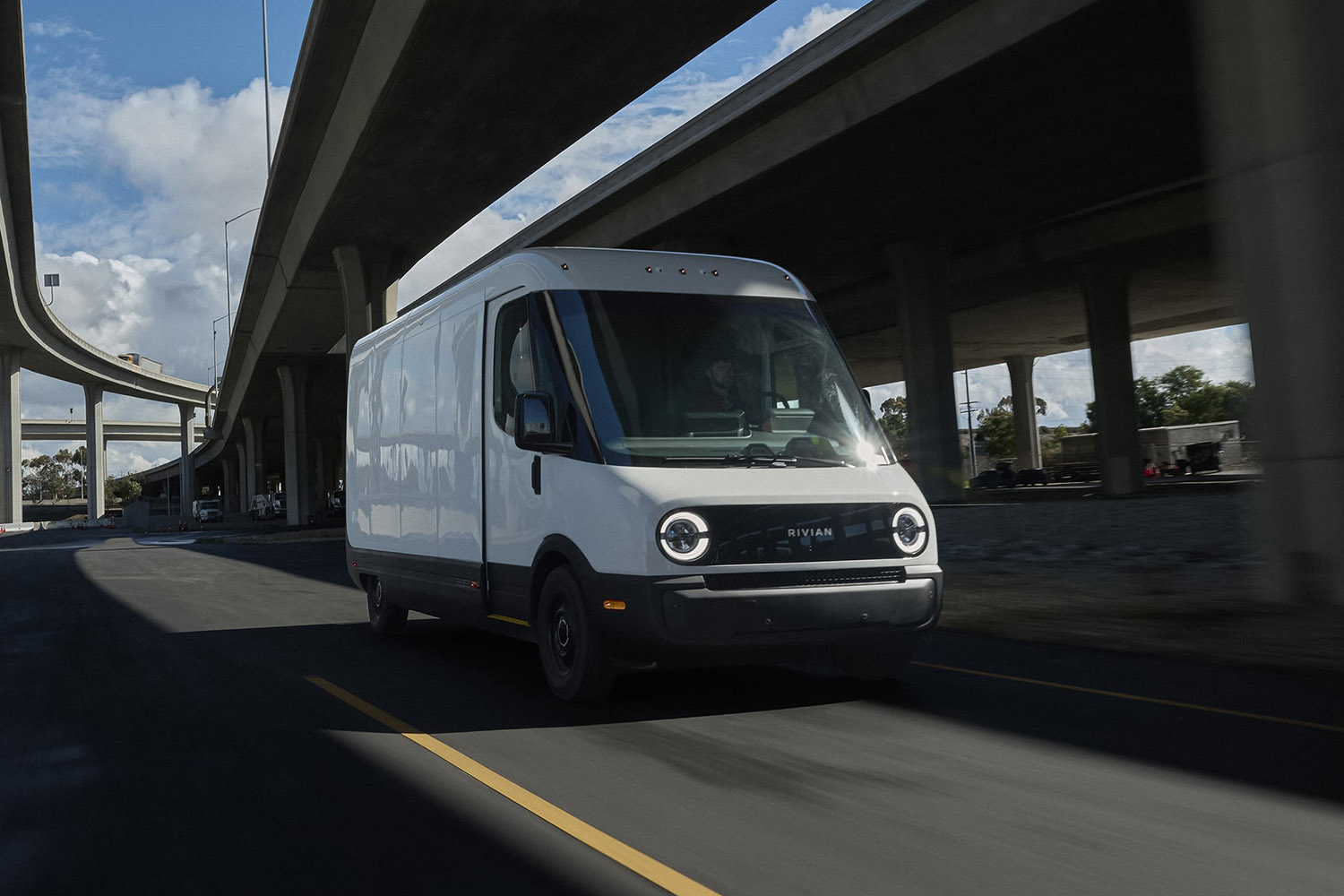
See also: Rivian Opens Orders for All-Electric Commercial Van, Starting Price $79,990
The company plans a month-long production halt in the second half of 2025 to upgrade its assembly lines in preparation for the launch of its new R2 vehicle, aimed at competing with Tesla’s Model Y. Deliveries for the R2 are expected to commence early next year.
Rivian’s cautious outlook reflects broader challenges in the electric vehicle market. Market leader Tesla recently reported its first annual sales decline in 2024. Additionally, electric truck manufacturer Nikola has filed for Chapter 11 bankruptcy protection, citing rapid cash burn and funding challenges amid weak demand.
See also: Rivian’s $6.6 Billion Federal Loan for Georgia EV Plant Faces Uncertainty

To bolster its technological capabilities, Rivian has entered into a joint venture with Volkswagen Group (VOWG_p.DE). The partnership, formalized last year, aims to develop software and electrical architecture for future electric vehicles. Volkswagen has committed to investing $5.8 billion in the venture, with Rivian expecting to recognize approximately $2 billion in revenue from this collaboration over the next four years.
This joint venture has attracted interest from other automakers seeking to access Rivian’s technology. Wassym Bensaid, Rivian’s Chief Software Officer and co-CEO of the joint venture, noted, “Many other OEMs are knocking on our door,” referring to original equipment manufacturers.
See also: Rivian CEO Unfazed by Potential Repeal of U.S. EV Tax Credit Under Trump