

French automaker Renault is winding down its electric car-sharing activities and slowing the rollout of fast-charging infrastructure under its Mobilize division, as it refocuses investment on areas with stronger profitability.
“Mobilize Beyond Automotive is no longer a standalone entity,” Renault said in a statement, adding that while the Mobilize brand will continue for Mobilize Financial Services, its use for other offerings will be reviewed “over the coming months”.
As part of the reorganisation, Renault said electric vehicle charging solutions will be integrated into the group’s core operations and placed under the responsibility of Chief Growth Officer Fabrice Cambolive. The changes will lead to the elimination of around 80 roles from the roughly 450 positions in the Mobilize Beyond Automotive unit. A Renault spokesperson told Reuters that “voluntary departures and internal personnel moves” would be prioritised.
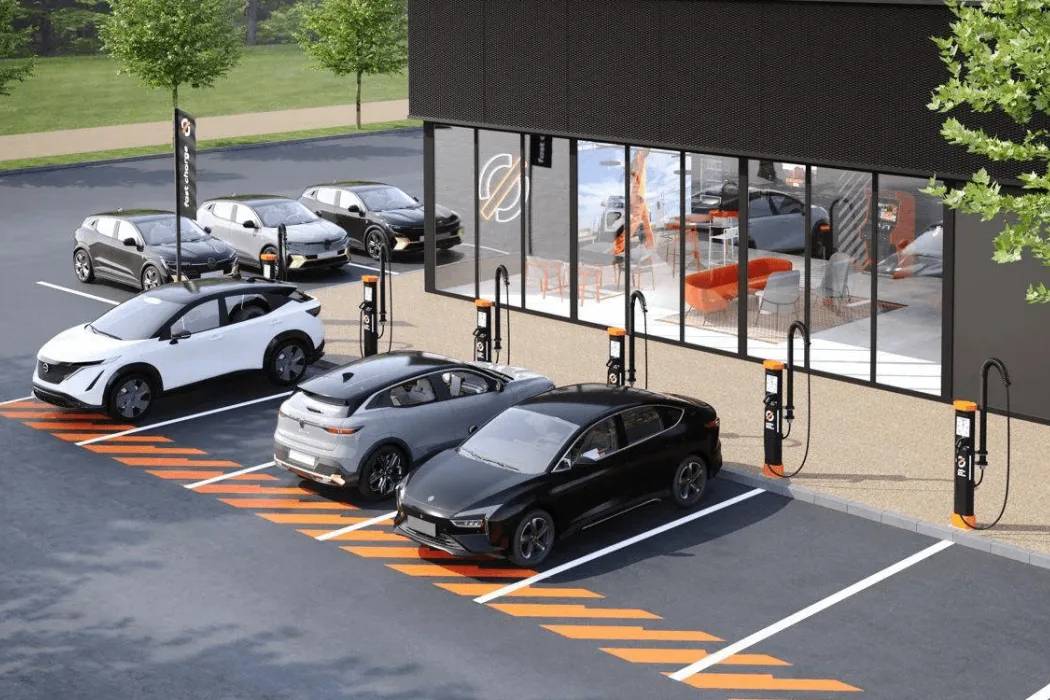
Renault said it is discontinuing activities “with limited profitability prospects or that do not directly serve the group’s strategic priorities”. These include the Zity electric car-sharing services in Milan and Madrid, as well as the Duo electric microvehicle. The company is also sharply reducing its ambitions for a proprietary high-power charging (HPC) network, now targeting about 100 stations in France and more than 100 in Italy by the end of 2026, down from a previous goal of 650 stations across Europe by 2028. Planned charging projects in Belgium and Spain have been dropped.
Mobilize was launched in 2021 under former chief executive Luca de Meo to develop mobility services beyond Renault’s traditional car business, including car sharing, charging solutions and niche electric vehicles. Following an internal review under de Meo’s successor, François Provost, Renault decided to halt further investment in car sharing and fast-charging infrastructure, citing financial pressures and the growing presence of third-party charging providers.