




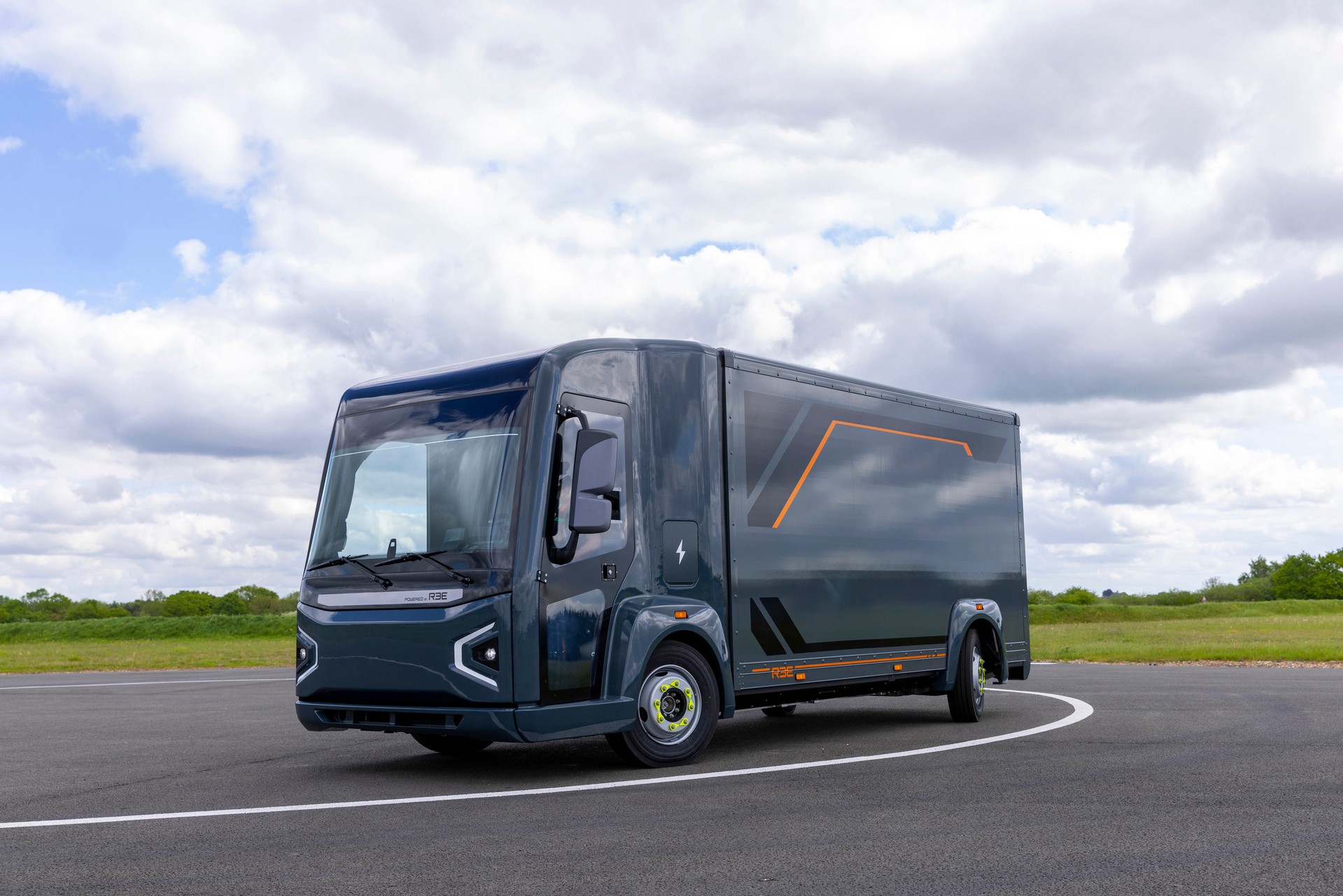
The REE P7-B electric box truck has just been launched to meet the growing demand for eco-friendly delivery vehicles.
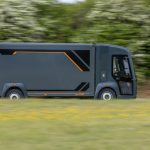
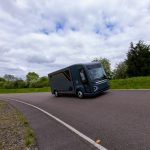
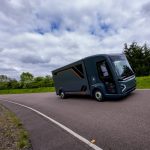
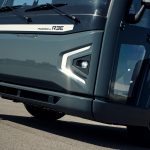
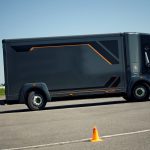
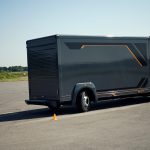
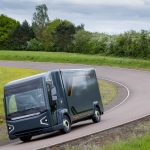
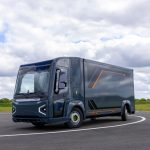
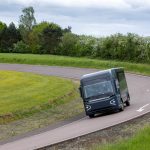
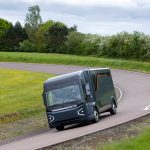
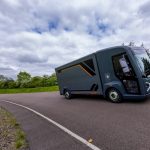
The REE P7-B builds on the modular P7 architecture and is a Class 3 vehicle targeting the medium-haul delivery market. From the outside, the P7-B is rather plain with a large windshield, high-visibility doors and protruding fenders.
As a delivery vehicle, one concern is the cargo box which can carry 812 cubic feet (23 cubic meters / 22,993 liters) of goods. The P7-B also has a payload capacity of 4,409 lbs (2,000 kg), and a vehicle weight rating of 14,000 lbs (6,350 kg).
The REE P7-B uses an all-wheel drive powertrain that produces 536 hp (400 kW / 544 PS) and 402 lb-ft (545 Nm) of torque. This delivery truck has a top speed of 75 mph (120 km/h) with a range of 150 miles (241 km).
Another thing this delivery truck has is an all-wheel steering system that allows the front and rear wheels to turn in opposite directions for increased low-speed maneuverability. This feature will give the model a turning radius of 19.7 feet (6 meters).
Like any electric vehicle on the market today, the REE P7-B supports regenerative braking. Other available features are creep control, hill start assist, torque vectoring, and over-the-air updates.

Tali Miller, REE’s Chief business officer said the P7-B was built in response to market needs and was developed with feedback from potential customers.
“Feedback from our customers has been that this is the truck they have been waiting for – a driver-centric work truck that drives like a sedan but is built to deliver under the harshest commercial duty cycle.” said Tali Miller
The truck introduced is a concept vehicle and a production version is scheduled to be built in the United States and the United Kingdom starting in 2023.
REE Automotive to build Plant in UK with an annual capacity of 10,000 EV chassis


