
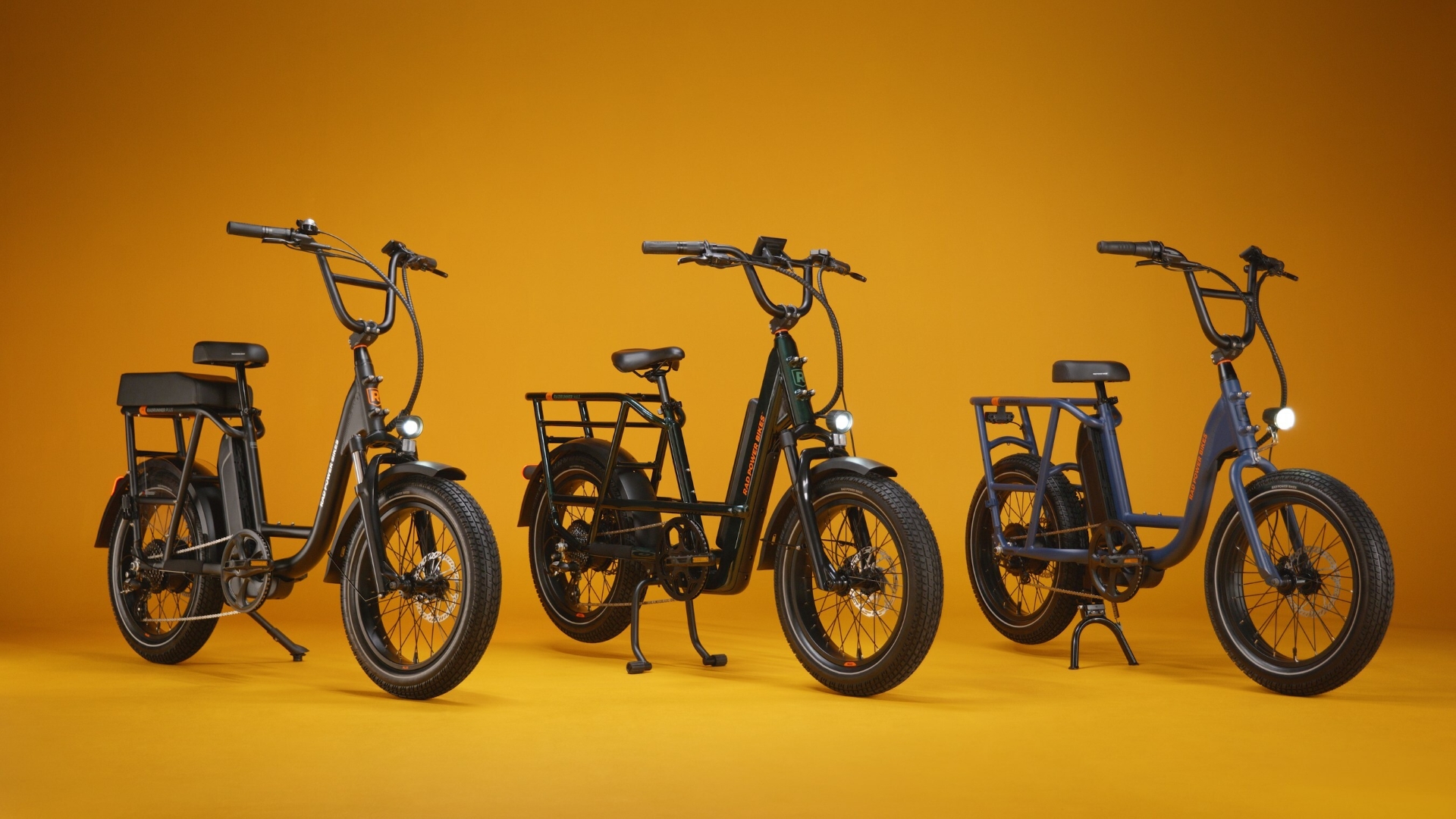
U.S. electric bicycle maker Rad Power Bikes has filed for Chapter 11 bankruptcy protection, the company said on Monday, weeks after warning employees that it could shut down operations without securing new funding.
The company will continue operating while the bankruptcy process unfolds and is seeking to sell the business within the next 45 to 60 days, a spokesperson told TechCrunch.
“This step allows us to keep operating in the ordinary course of business while we pursue the best possible outcome for the people who rely on Rad every day,” the spokesperson said. “Our goal is to keep the company intact and preserve the relationships we have built with riders, vendors, suppliers, and partners.”
Rad Power Bikes is the latest electric bicycle company to enter bankruptcy proceedings as demand cooled following a pandemic-era surge in interest in micromobility. Several peers have faced similar challenges, though some have emerged from court-led restructurings under new ownership, including VanMoof and Cake.
In November, Rad Power told employees that a “very promising” financing option that was expected to keep the company afloat was likely to close, but the deal ultimately collapsed. The company has not disclosed further details.
The situation worsened weeks later when the Consumer Product Safety Commission issued a warning stating that older Rad Power battery packs posed “a risk of serious injury and death,” citing 31 reports of fires. Rad Power said it “strongly disagrees” with the regulator’s characterisation.
The bankruptcy filing follows several turbulent years for the Seattle-founded company, marked by repeated rounds of layoffs and executive turnover. Earlier this year, Rad Power appointed Kathi Lentzsch as chief executive, tasking her with leading a turnaround. Lentzsch said the company would shift away from its direct-to-consumer roots toward a more retail-focused sales strategy.
“This shift creates new opportunities to reach more riders, strengthen customer relationships, and evolve the brand in meaningful ways,” Lentzsch said at the time.
According to the bankruptcy filing, Rad Power entered Chapter 11 with about $32 million in assets and $73 million in liabilities. More than $8 million of its debt is owed to U.S. Customs and Border Protection for unpaid import tariffs, a claim the company has listed as disputed.
It remains unclear how much the tariff liability contributed to Rad Power’s financial difficulties. However, tariffs imposed during former President Donald Trump’s first term have previously been cited as a factor in the collapse of other micromobility companies, including electric skateboard maker Boosted.