
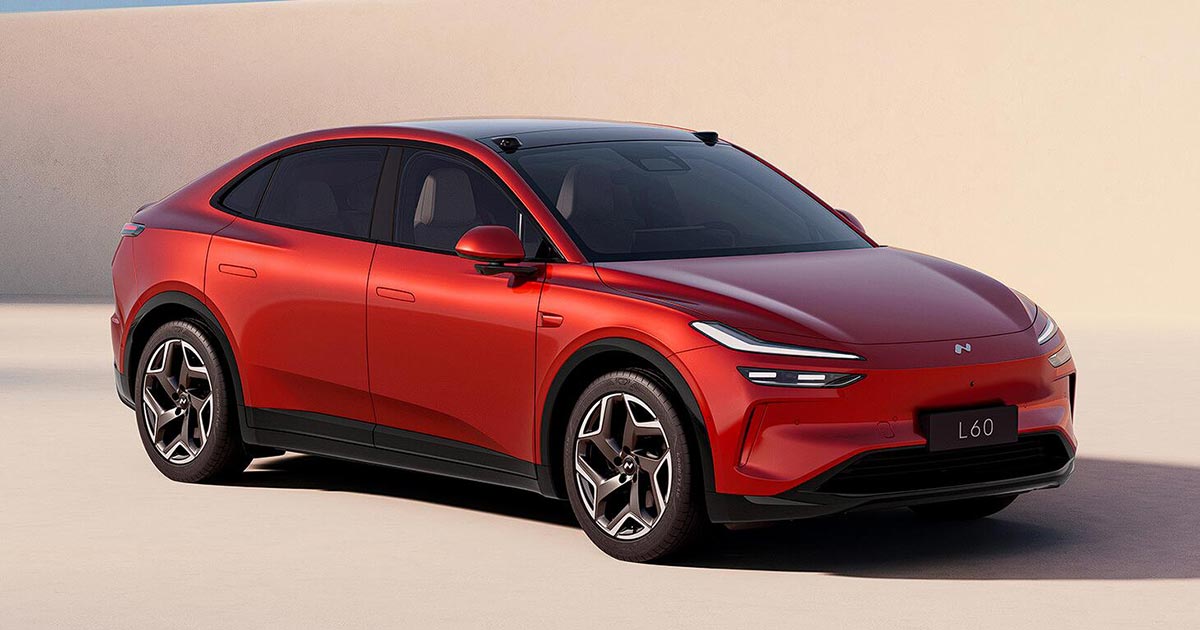
Chinese electric vehicle maker Nio Inc’s (NYSE: NIO) mass-market sub-brand, Onvo, marked its first anniversary on Wednesday, as the company reflected on the brand’s progress and prepared for the next phase of its development.
“One year ago, the Onvo brand was officially launched. Onvo is built for high-quality family life,” Nio’s founder, chairman, and CEO William Li said in a letter published on the Onvo App.
See also: Nio Restructures Onvo and Firefly Brands in Cost-Cutting Drive
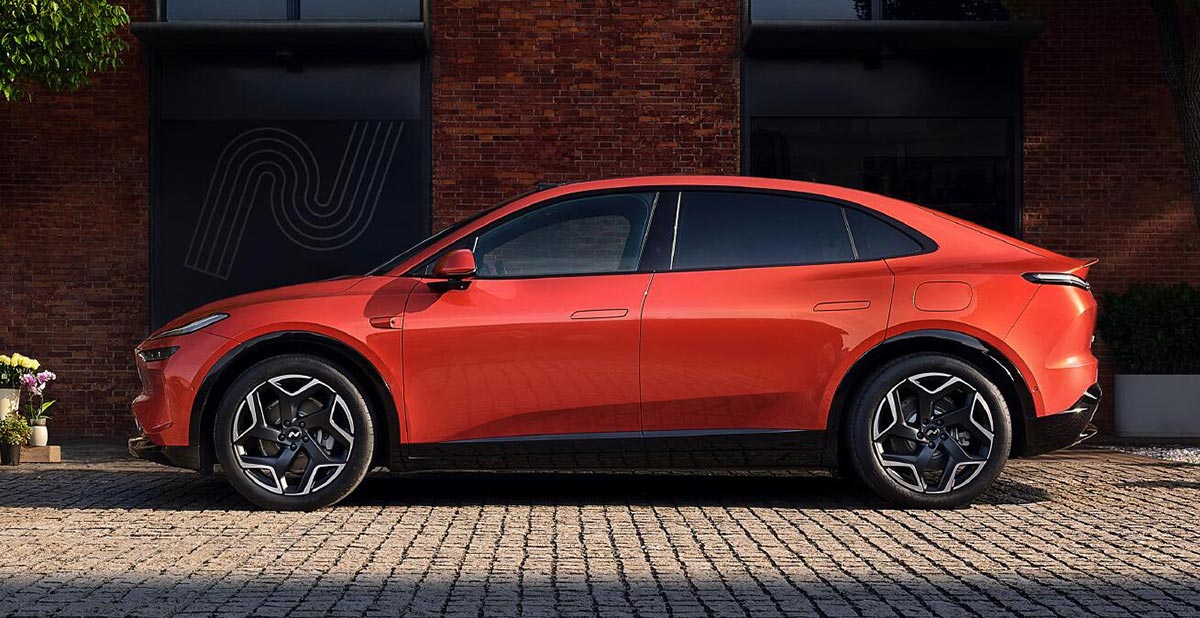
The brand’s first model, the five-seat L60 SUV, began deliveries on September 28, 2024. Since then, more than 40,000 units have reached customers, according to Li. He added that more than 30 Onvo car clubs have been established across China in the past six months, demonstrating early community-building efforts around the brand.
Onvo has been able to tap into Nio’s existing infrastructure, with nearly 2,000 of Nio’s 3,312 battery swap stations—986 of which are located along highways—available for Onvo customers. The company plans to expand this network further to support wider adoption.
See also: Regulatory Filing Confirms Onvo L90 SUV With 85-kWh Battery and Six-Seat Layout
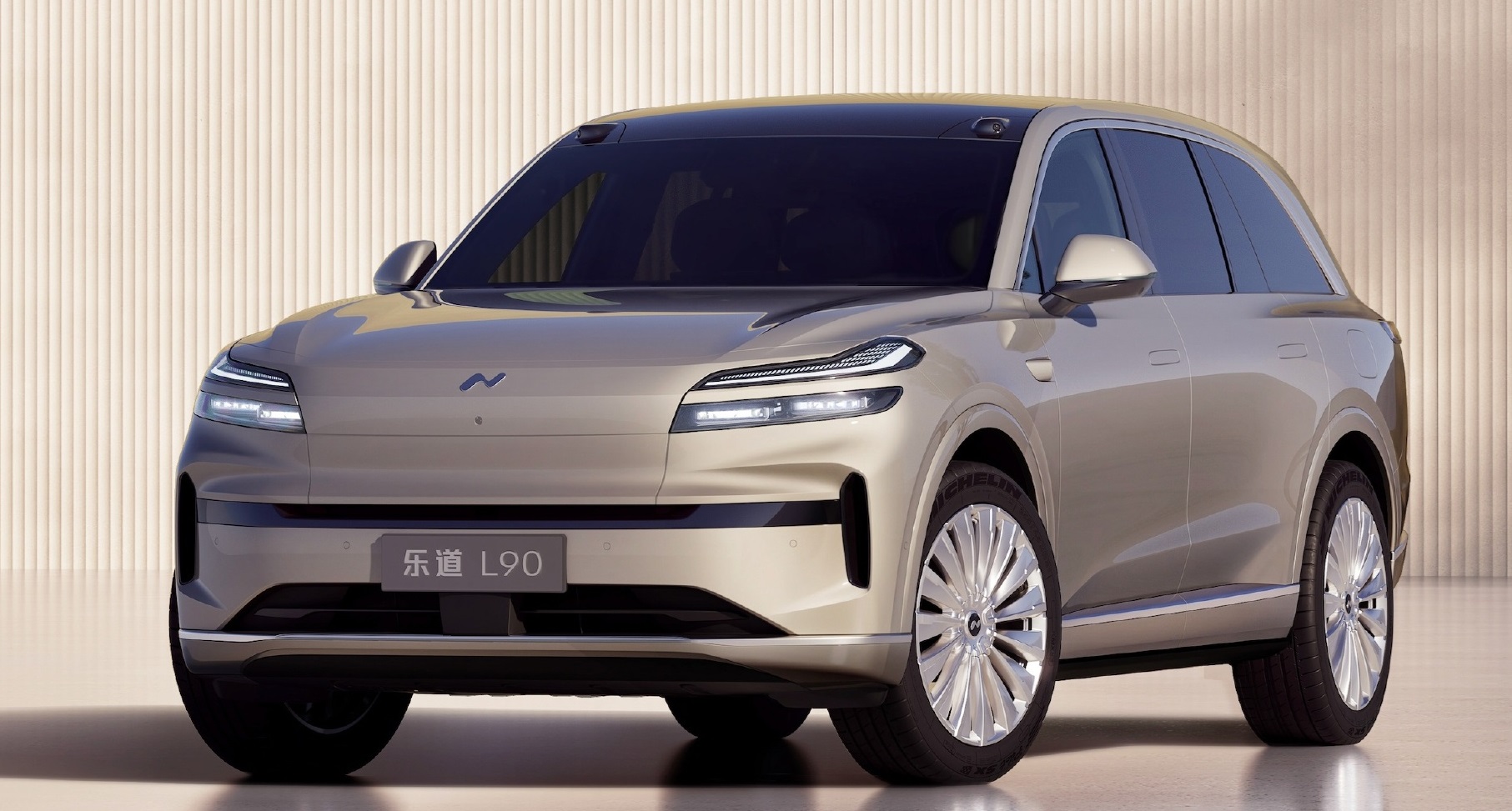
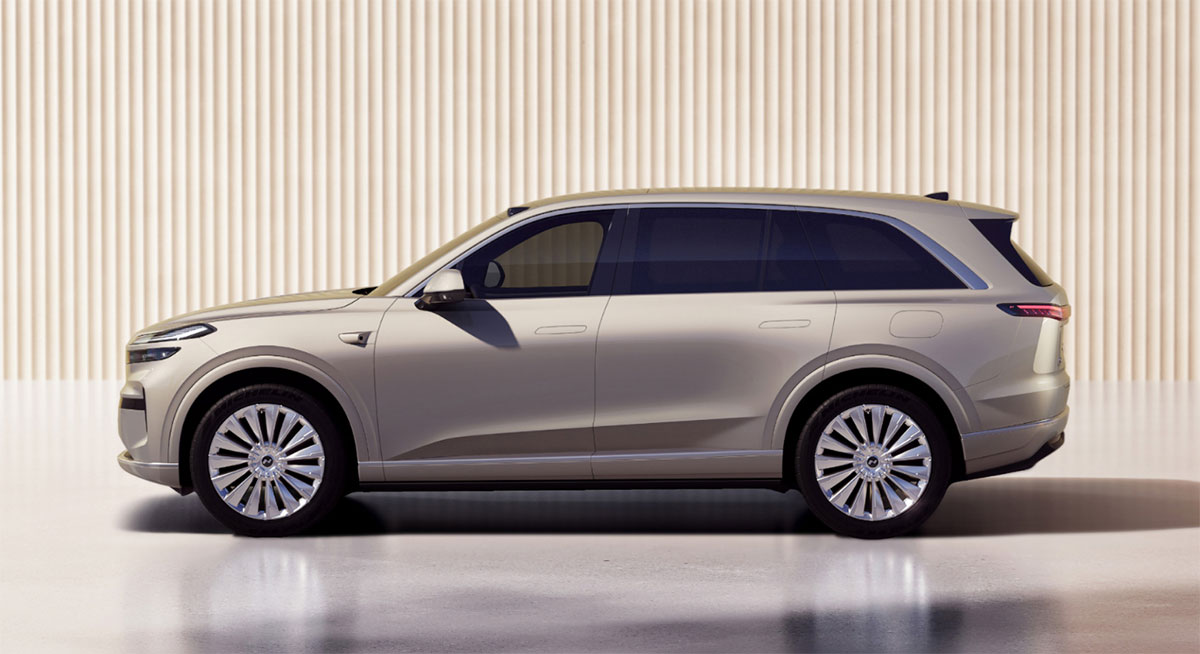
Looking ahead, Onvo is expected to launch its second model, the L90, in the third quarter. Positioned as a flagship SUV for larger families, the L90 will expand the brand’s appeal in the competitive Chinese EV market.
On Wednesday, Li and Onvo President Shen Fei drove an L60 equipped with a 60-kWh battery from Nio’s Shanghai headquarters to Hefei, covering 467 kilometers without recharging or battery swapping. “This shows the efficiency of our battery technology and vehicle performance,” Li said in a Weibo post.
See also: Onvo L90 Unveiled: Nio’s New Flagship SUV Offers 240-Liter Frunk, Three-Row Seating
Despite the initial enthusiasm around the L60, its sales performance fell short of expectations, prompting Nio to restructure Onvo’s sales team by integrating it with Nio’s existing operations. On April 2, former Onvo President Alan Ai resigned and was replaced by Shen, signaling a shift in the brand’s leadership and strategy.