
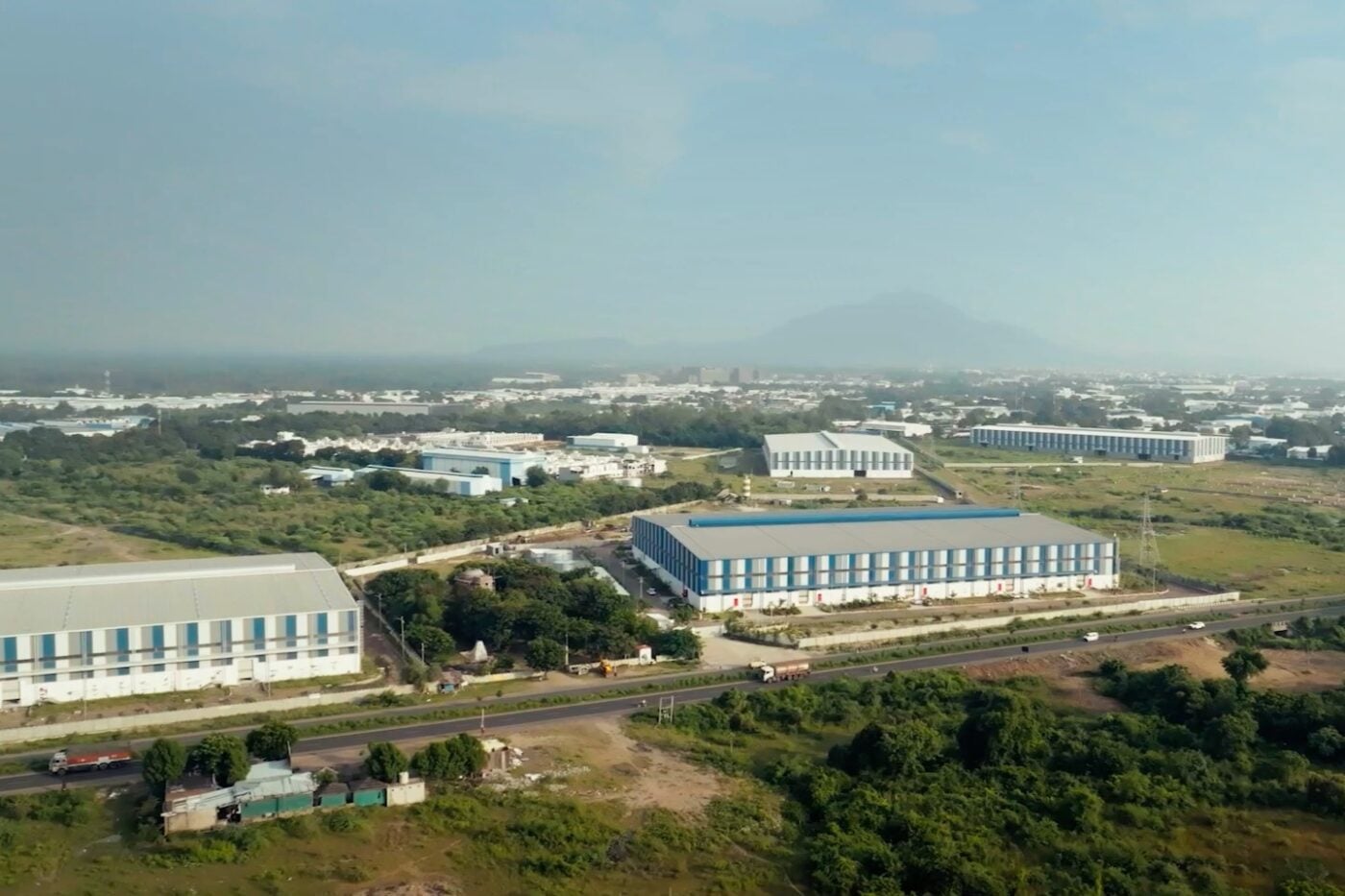
Octillion Power Systems has opened its third battery manufacturing facility in India, adding more than 3 GWh of annual capacity at a new plant in Halol, Gujarat. The factory will produce battery systems for electric passenger cars, commercial vehicles and buses, increasing Octillion’s total Indian manufacturing capacity to more than 150,000 battery systems, or around 9 GWh, annually.
New Gujarat Plant Expands Production
The Halol facility covers more than 13,000 square metres and can manufacture more than 48,000 battery systems per year when operating at full capacity.
Octillion Power Systems Opens Battery Manufacturing Facility in Reno, Nevada
Octillion said the site was converted from an empty building into a battery manufacturing facility in less than eight months. The plant is the company’s ninth production facility globally.
Together with its two existing Indian factories, the new facility gives Octillion capacity for more than 150,000 battery systems annually across the country.
The company plans to supply battery systems from Halol for several vehicle segments, including electric passenger cars, commercial vehicles and buses.
Local Supply Chain Becomes Focus
Octillion’s expansion comes as India works to increase domestic participation across the electric vehicle battery supply chain.
Although battery-system manufacturing has expanded in India, the country remains dependent on imports of key materials including lithium, cobalt and nickel. Octillion cited research from the International Institute for Sustainable Development indicating that local content for components such as battery cells, electric motors and controllers remains below 20% for many manufacturers.
Octillion Sets Single-Day EV Battery Production Record at 114 MWh
The Indian government has introduced measures intended to reduce reliance on imported critical materials. The National Critical Minerals Mission is supporting domestic exploration and processing, while customs duties have been removed on 25 critical minerals.
According to Octillion, India is also preparing a policy focused specifically on processing battery minerals.
Halol Plant Integrates Local Production
Octillion said its manufacturing approach at Halol combines production processes, thermal modelling and battery management systems with local suppliers.
The company sees local sourcing, quality control and engineering capabilities as important elements of a more resilient battery supply chain.
“A resilient EV supply chain in India can’t just mean more square footage — it means depth: local sourcing, local quality control, and local engineering talent working side by side with our global standards,” said Nikhil Parchure, SVP at Octillion Power Systems. “That’s what we’ve built in Halol. As India moves toward its 2030 electrification targets across cars, trucks, and buses, our customers need a partner who can scale with them without exposing them to global supply chain volatility, and that is exactly the role we intend to play.”
India Targets Higher EV Adoption
The additional battery capacity comes as India targets significant growth in electric vehicle adoption by 2030.
The country’s targets include EV shares of 30% for private cars, 70% for commercial vehicles and 40% for buses.
Octillion Expands Battery Supply Deal with Vision Marine for U.S. Electric Boating Market
Government initiatives supporting the transition include the PM E-DRIVE programme for electric vehicles and the Advanced Chemistry Cell Production-Linked Incentive scheme, which is designed to support domestic battery manufacturing.
Octillion’s expanded manufacturing footprint in India will allow the company to increase local battery-system production as vehicle electrification expands across passenger and commercial transport.