



Norwegian technology company ENRX has begun construction of an inductive charging section on a new highway in Florida, marking a step forward for wireless charging of electric vehicles under real-world conditions, though commercial deployment remains years away.
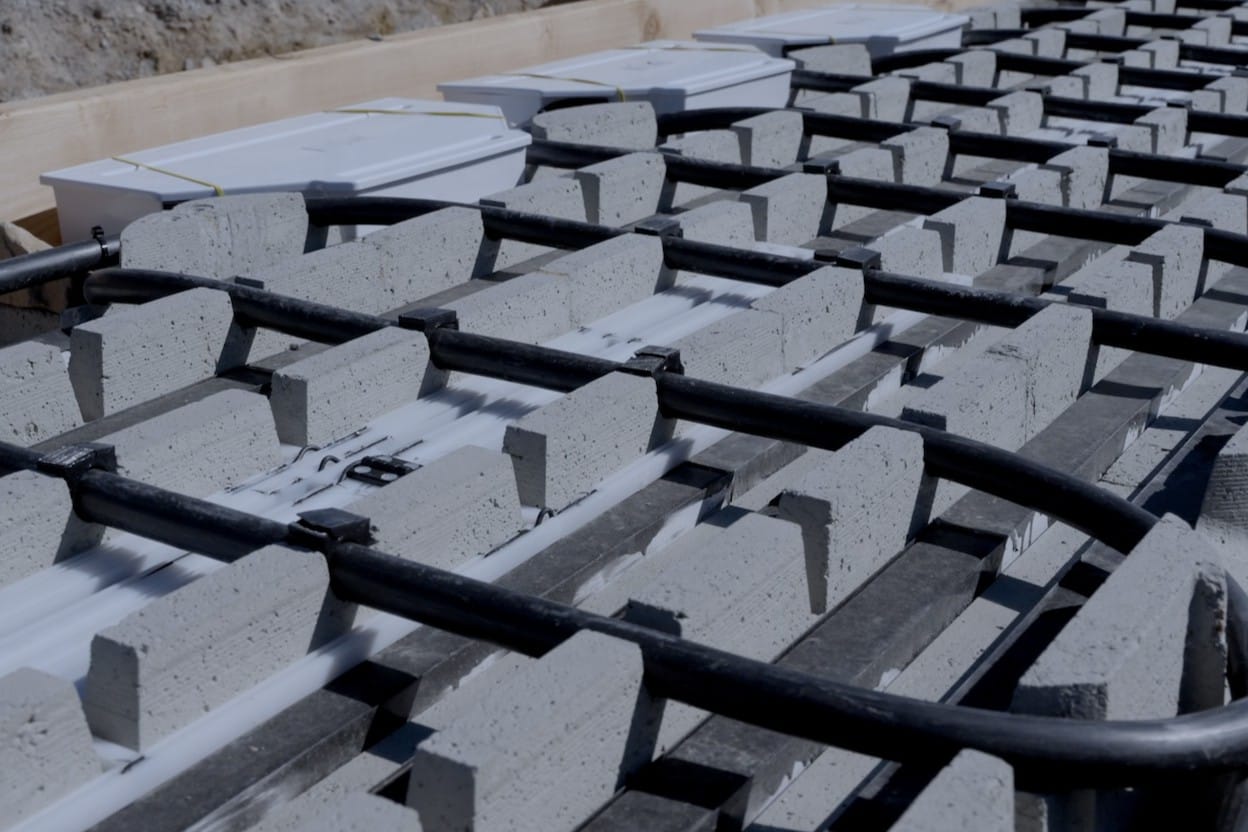
The project, developed with the Central Florida Expressway Authority (CFX), involves embedding inductive charging coils into a 1.2-kilometre stretch of the future State Road 516 Lake/Orange Expressway near Orlando. The section was originally planned to span one mile but was later reduced to about 0.75 miles, CFX said. The toll road is expected to open in 2029 and will serve as a living laboratory for the technology.
See also: Germany’s First Motorway Inductive Charging Test Track Begins on A6 Near Amberg
Inductive charging works by installing copper coils beneath the road surface that generate an electromagnetic field. Vehicles equipped with compatible receivers can draw power wirelessly as they drive over the electrified lane. Because no production electric vehicles currently come factory-ready for this system, only specially retrofitted vehicles participating in the trial will be able to use the charging infrastructure.

CFX said the pilot is designed to demonstrate the concept of “bringing the charge to the vehicle” by enabling charging at motorway speeds. The embedded coils are capable of delivering up to 200 kilowatts of power, depending on the vehicle’s onboard charging capability.
See also: Porsche Develops Inductive 11 kW Wireless Charging System for Cayenne Electric
The road operator sees particular promise for freight transport. “This is a groundbreaking innovation for long-haul transport,” said Tallis Blalack, electrified roadways consultant at CFX. “The technology we are deploying will power a fully loaded articulated lorry at motorway speeds.” He added that continuous charging while driving could allow much smaller batteries. “Instead of a 500-mile battery, we can shrink it to 50 miles, cutting the weight from 20,000 to just 2,000 pounds,” Blalack said.
Supporters argue that dynamic inductive charging could eventually reduce reliance on stationary charging and lower vehicle costs by cutting battery size and weight. However, such systems are still at an early stage. Existing pilot projects worldwide are limited in scale, including short test sections such as the electrified stretch of Germany’s A6 motorway equipped by Israeli firm Electreon.
See also: Gothenburg Expands Inductive EV Charging Network After Successful Three-Year Volvo Taxi Pilot
With the Florida project not expected to be operational until the end of the decade, both ENRX and CFX describe the initiative as an exploratory step rather than a precursor to near-term mass adoption.


