

The E|MPOWER project has completed the construction phase of Germany’s first motorway test track for dynamic inductive charging of electric vehicles (EVs) on the A6 near Amberg. The section between Amberg-West and Sulzbach-Rosenberg, just under one kilometre long, is now entering its test phase. The project is led by Friedrich-Alexander University Erlangen-Nuremberg (FAU) in collaboration with Electreon, VIA IMC, Risomat, Georg Simon Ohm University of Applied Sciences, Seamless Energy Technologies, and Eurovia.
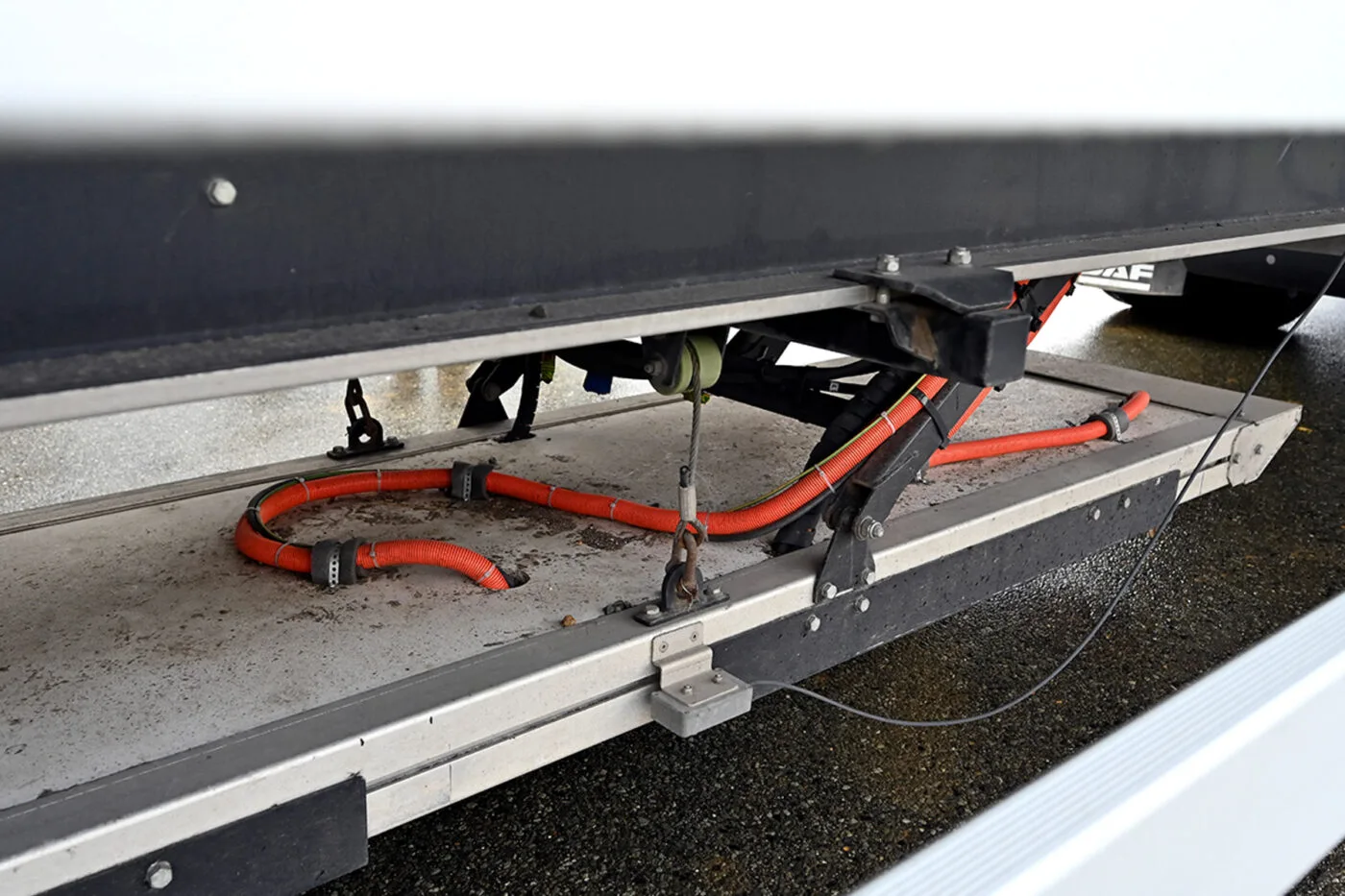
The test track uses Electreon’s inductive charging technology, which embeds coils in the road surface. As a compatible EV drives over the coils, a counter coil in the vehicle captures energy and feeds it directly into the battery. Unlike overhead systems, this solution is integrated into the road, remaining invisible and vandal-proof while functioning both dynamically while driving and statically when parked.

Florian Risch, Professor of Assembly Technologies for Electrical Energy Storage at FAU, emphasized the significance of the project: “With E|MPOWER, we are literally bringing research to the road. The technology has the potential to overcome range anxiety, reduce the need for battery imports and strengthen regional value creation in electromobility.”
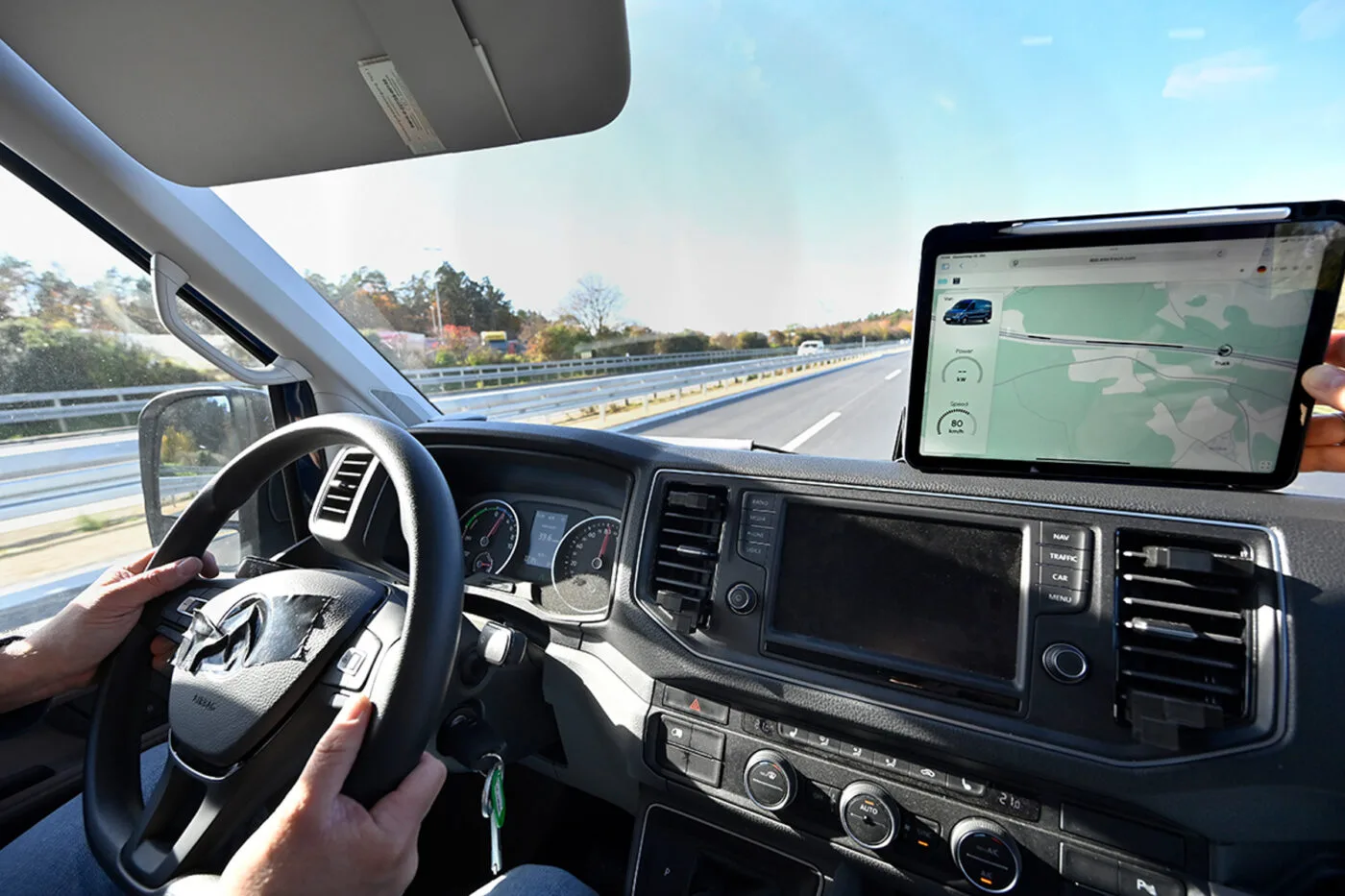
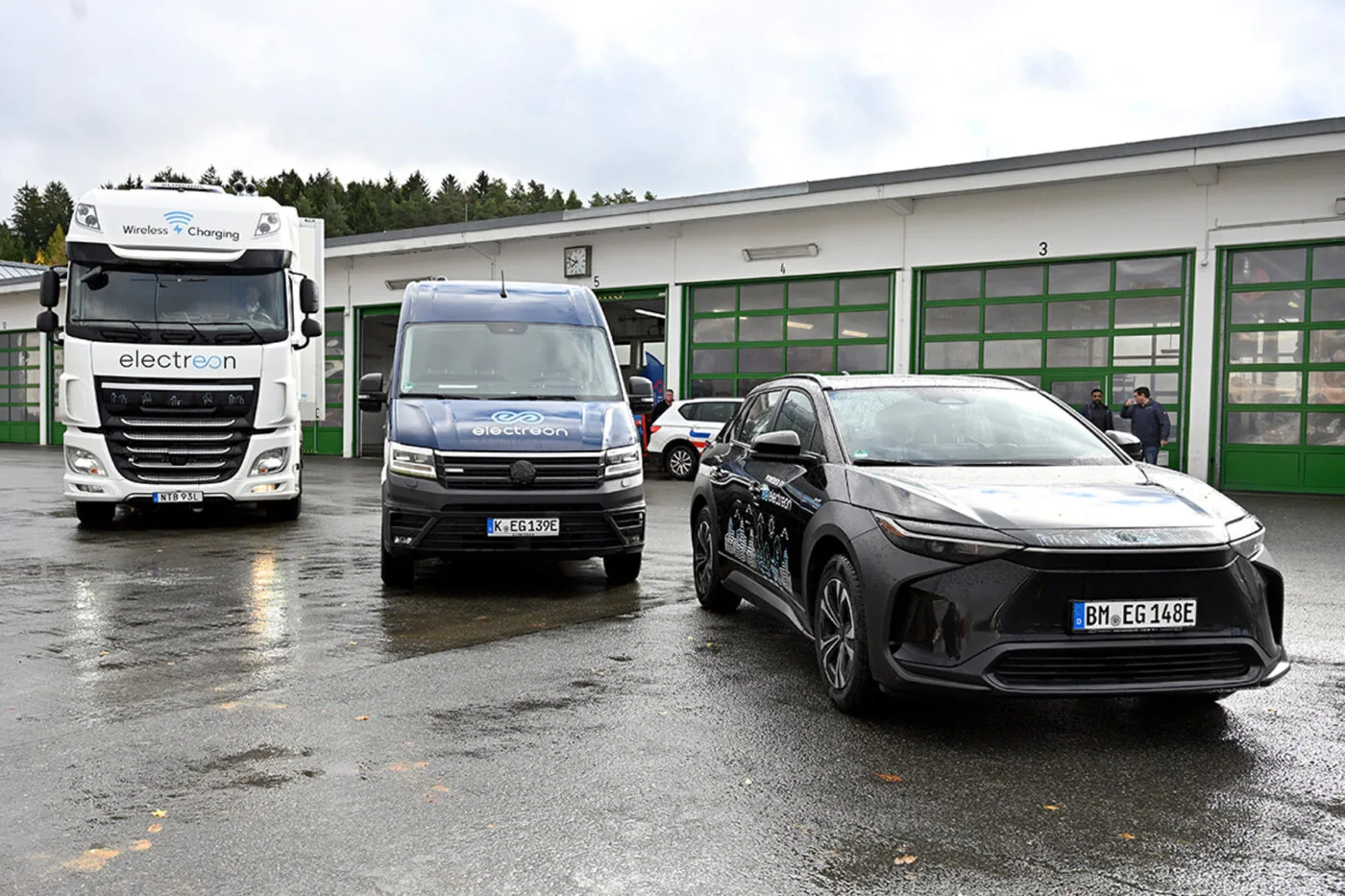
The test track will host various vehicles, including an electric truck, van, and a Toyota bZ4X, to validate the technology under real-world conditions at motorway speeds. Andreas Wendt, Managing Director of Electreon Germany, added: “The test track on the A6 is an important step in validating our technology under real-world conditions and demonstrating its advantages for everyday use. We are convinced that inductive charging will make a decisive contribution to making electric mobility more efficient and suitable for mass use.”
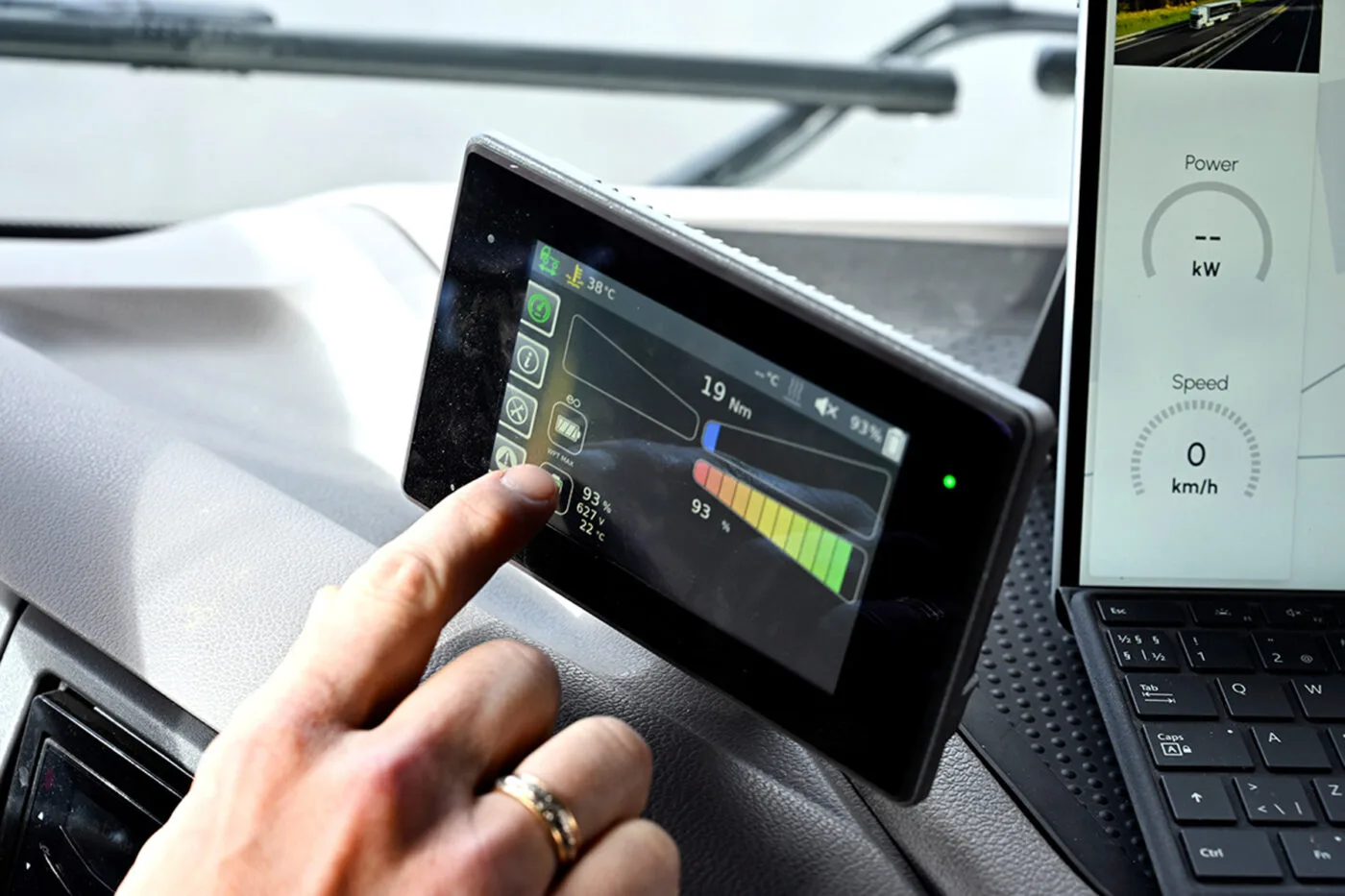
E|MPOWER also focuses on production and construction techniques to reduce the cost and duration of installing such systems, aiming for scalable deployment on longer motorway sections and urban areas. Energy flow can be controlled via a digital platform, allowing charging times and quantities to be adjusted according to demand, supporting fleet management and grid stability.
The project is funded by the German Federal Ministry for Economic Affairs and Climate Protection (BMWK) under the Elektro-Mobil programme and supported by Autobahn GmbH, the federal motorway company. This milestone represents Germany’s first research into wireless EV charging on motorways, following earlier pilot projects in Karlsruhe and Balingen.