





Norway registered 13,384 new battery electric vehicles (BEVs) in May, a sharp increase from April and the same period last year, though the share of electric cars among all new registrations slightly dipped as other drive types also posted gains.
According to data from the Norwegian Road Traffic Information Council (OFV), electric car registrations in May rose 22.3% from April and 69.6% compared with May 2024. Although BEVs accounted for 93.9% of total new car sales last month—down from 97% in April—the figure remains above the year-to-date average of 92.7%, keeping Norway on track to meet its target of all new cars being zero-emission in 2025.

“The new car market often mirrors the overall economy, and we are now seeing signs of growing economic optimism,” said OFV Director Øyvind Solberg Thorsen. He added that with Norway’s vehicle fleet averaging 11.5 years in age, a wave of replacements—largely electric—is expected in the near future.
The total new car market reached 14,260 units in May, marking a 39.1% year-on-year increase. While BEVs led, 876 new non-electric cars were also registered. This included 152 plug-in hybrids and 497 full hybrids. Diesel and petrol cars remained marginal, with 174 and 53 registrations respectively, each reflecting their minimal market share.

Tesla was the standout in model rankings, with 2,346 registrations of its Model Y—making it the only vehicle to surpass 1,000 units for the month. “What many have referred to as the ‘Tesla shame’ now seems to be history here at home,” Thorsen said. “In May, Tesla alone accounted for almost a fifth of Norwegian new car sales – in good competition with Volkswagen and Toyota.”
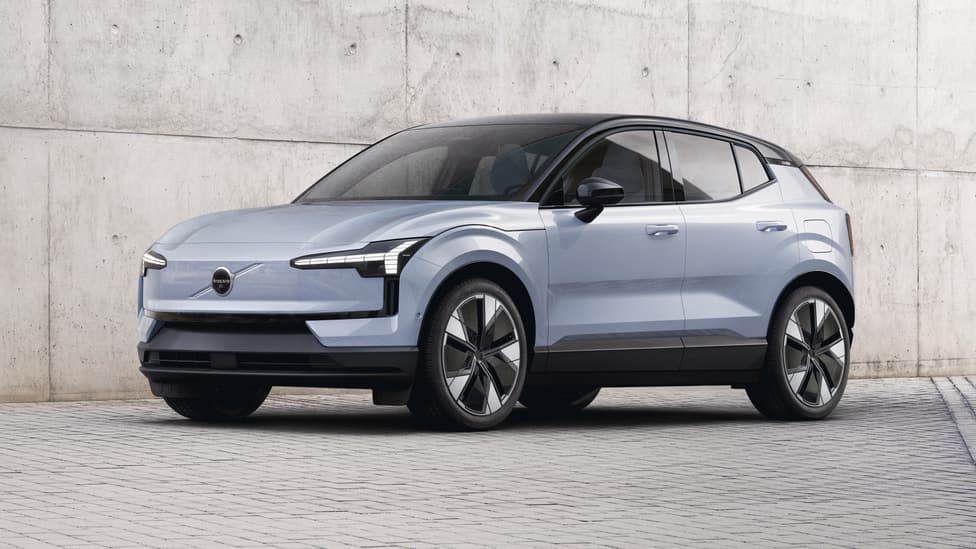
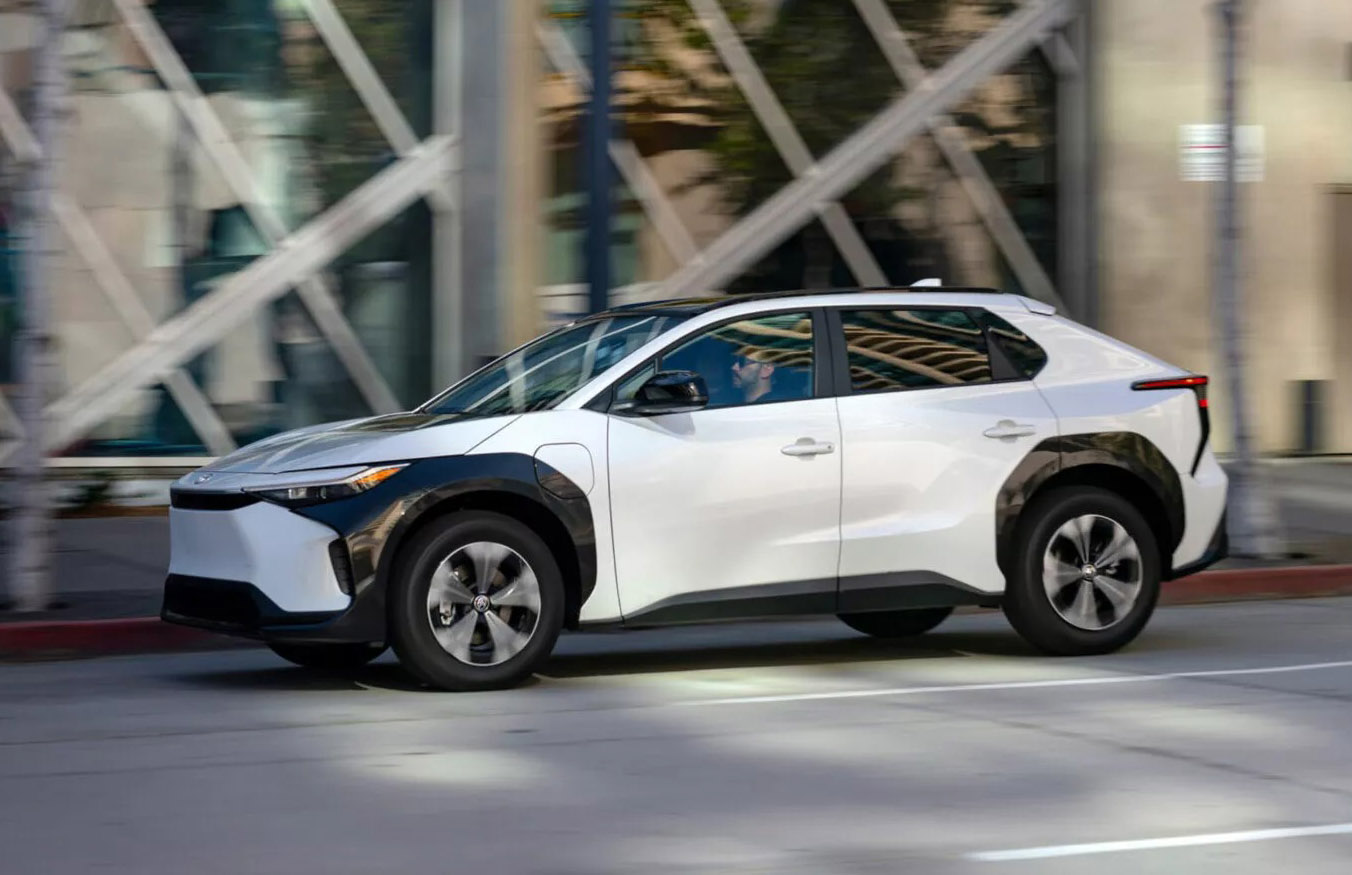
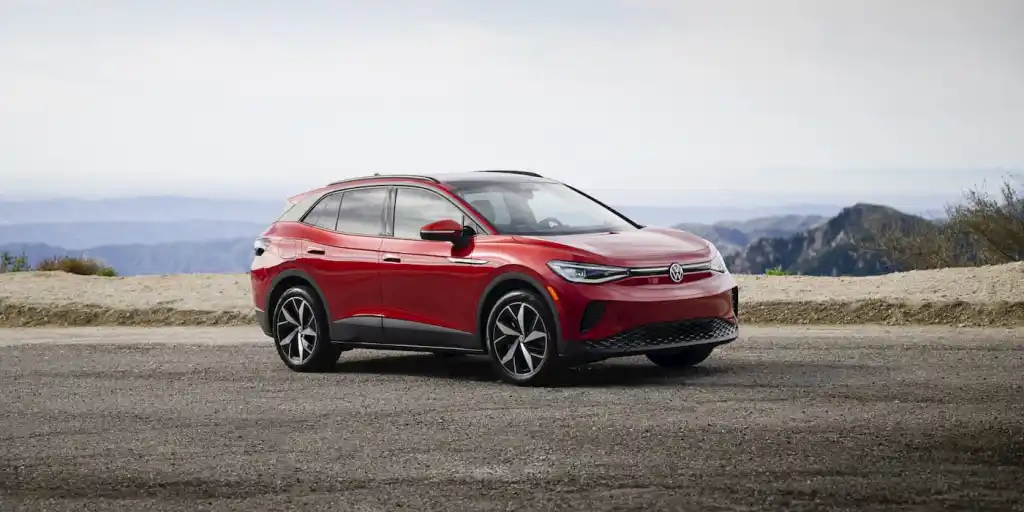
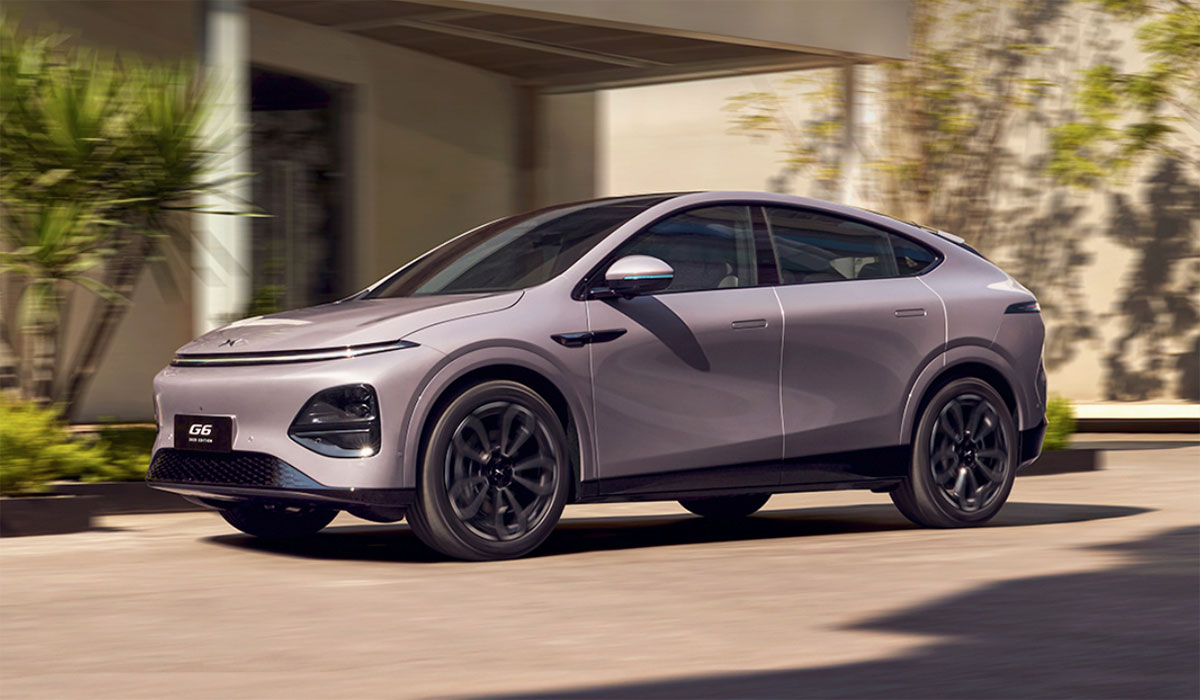
Following the Model Y, the Toyota bZ4X recorded 992 registrations, while Volkswagen’s ID.4, ID.3, and ID.7 models followed closely behind. Chinese brands also performed well, with BYD’s Sealion 7 (377 units), MG4 (367), and the Xpeng G6 (174) making strong showings. The Volvo EX30, which led earlier in the year, slipped to mid-table with 342 units.

“Looking at Tesla sales in Norway both in May and for the year so far, we differ from the rest of Europe where sales of this car brand have seen a noticeable decline,” Thorsen noted. “At the same time, many Chinese car brands are doing very well in Norway. There is no ‘China fear’ to be traced either.”
He emphasized that consumer decisions are now more focused on value and utility than brand loyalty. “If you think the car is nice, the price is good and you get what you want in terms of space, equipment and range, these are the things that drive your choice,” he said.

While the Norwegian EV market continues to lead globally, the data suggests that other drivetrain technologies are maintaining a small but persistent presence, even as overall registrations rise sharply.


