



Nissan Motor Co. will cease production at its relatively new factory in Wuhan, China, as part of broader restructuring efforts, the company said, amid persistently low output levels and intensifying competition in the world’s largest auto market.
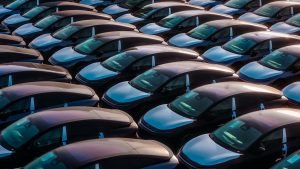
The Japanese automaker, which operates the Wuhan plant in partnership with Dongfeng Motor Group, launched operations at the facility in 2022. The plant currently produces the battery-electric Ariya and the combustion-engine X-Trail SUV. However, the factory has been running at less than 10% of its annual production capacity of 300,000 vehicles, according to Japanese daily Yomiuri, prompting the decision to shut it down.
See also: Nissan Pledges $1.38 Billion Investment in China, Unveils Electric N7 Sedan and Frontier Pro PHEV
The move follows a string of setbacks for Nissan, including the dissolution of its long-standing alliance with Renault and the collapse of merger discussions with Honda. On Thursday, Nissan warned investors it expects a record net loss of between 700 billion and 750 billion yen ($4.6 billion) for the fiscal year that ended in March.
Newly appointed CEO Ivan Espinosa is overseeing a strategic overhaul aimed at stabilizing the company. Despite operational cutbacks, Nissan has reaffirmed its commitment to the Chinese market, pledging an investment of 10 billion yuan ($1.2 billion) by 2026 to accelerate the rollout of new electric vehicles.
See also: Nissan Unveils New N7 Electric Sedan in Bid to Revive Presence in China
Nissan has already begun consolidating its production footprint in China, having shut down its Changzhou plant last year. With the planned closure of Wuhan, Nissan will operate four production sites in the country. In February, the automaker announced it would reduce its total production capacity in China from 1.5 million to 1 million units annually, though specific plant closures were not identified at the time.
Foreign automakers, particularly Japanese brands, have struggled to retain market share in China’s rapidly shifting automotive landscape. Local companies such as BYD, Nio, and Geely now dominate the electric vehicle segment. Nissan’s sales in China fell by 12% in 2024 to around 700,000 vehicles — half of the company’s 2018 volume.


