
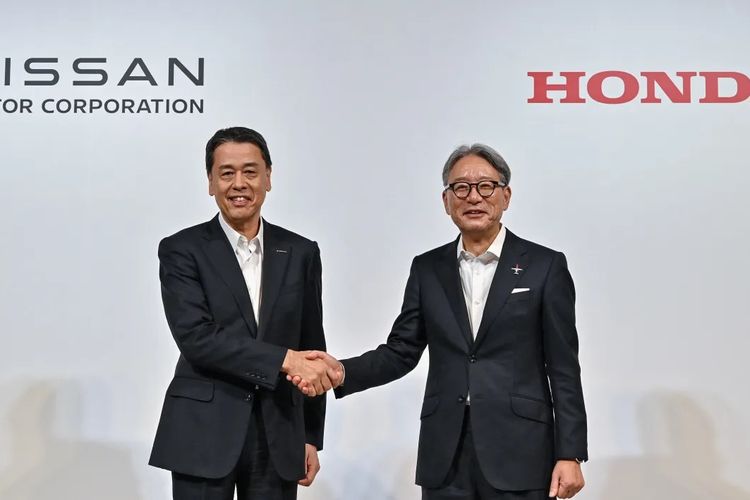
Nissan is leaning toward stepping back from merger discussions with rival Honda, two sources said on Wednesday, casting doubt on a potential $60 billion deal that could have created the world’s third-largest automaker.
The talks have been complicated by widening differences, multiple people familiar with the matter said. A key sticking point emerged when Honda proposed making Nissan a subsidiary, a departure from what was initially framed as a merger of equals, one person noted.
See also: Renault Seeks to Maximize Nissan Stake Value Ahead of Honda Merger
It remains unclear whether the merger could still be salvaged, as sources suggested the possibility of a future restart. However, concerns over Nissan’s turnaround progress have reportedly weighed on Honda, whose market capitalization of 7.92 trillion yen ($51.90 billion) far exceeds Nissan’s 1.44 trillion yen.
Following a report by the Nikkei business daily that Nissan would exit the talks, Nissan shares fell more than 4%, prompting a temporary trading halt in Tokyo, while Honda shares rose over 8%, signaling investor relief.
Both companies issued statements denying the report was based on official announcements, reaffirming their aim to determine a future direction by mid-February. Meanwhile, Nissan’s longtime alliance partner Renault said it would “vigorously” defend the group’s interests, but noted no final decision had been made regarding the potential breakdown of talks. Renault, which holds a 36% stake in Nissan, had previously expressed openness to the merger.
See also: Honda Plans Sub-$30,000 Electric Vehicle for North America by 2026
The potential collapse of the deal raises questions about Nissan’s ability to navigate its turnaround independently. The automaker, Japan’s third-largest, has faced setbacks in adapting to electric vehicle competition and is undergoing restructuring efforts that include cutting 9,000 jobs and reducing global capacity by 20%.
Honda and Nissan first disclosed talks in December, aiming to strengthen their position against rising competition from China’s BYD and other EV manufacturers. The negotiations have also coincided with concerns over potential tariffs from a possible second term for U.S. President Donald Trump.
“Investors may get concerned about Nissan’s future and turnaround,” said Morningstar analyst Vincent Sun, adding that Nissan faces greater risks from U.S.-Mexico tariffs than Honda or Toyota.
See also: Mitsubishi Motors Considers Withdrawing from Merger Talks with Nissan and Honda
Nissan has struggled to regain stability following the 2018 arrest and removal of former chairman Carlos Ghosn. Christopher Richter, an autos analyst at CLSA, noted that control appeared to be a major sticking point in the negotiations.
“The news saying that Nissan did not want to be a Honda subsidiary appears to highlight that control was a contentious issue,” Richter said. “Without being able to have control, Honda appears to be walking away.”
Initially, Nissan and Honda had planned to finalize the merger framework by the end of January, later pushing the deadline to mid-February. Last month, sources told Reuters that Mitsubishi Motors, Nissan’s smaller alliance partner, was unlikely to join the merger.