
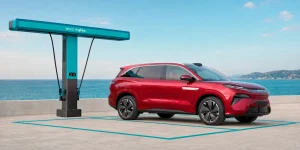
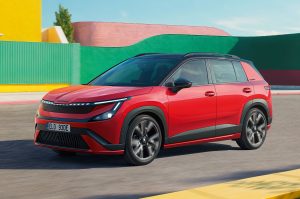
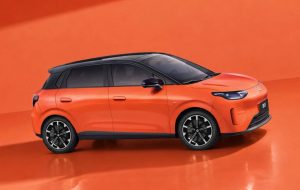


Nio has strongly rejected a decision by the US Department of Defense (DOD) to include the Chinese electric vehicle manufacturer on its list of “Chinese military companies,” describing the designation as unjustified and signaling it may pursue legal action to challenge the move.
The company said it is neither a Chinese military company nor a contributor to China’s military-civil fusion program, responding after the Pentagon formally added Nio to the list under Section 1260H of the US National Defense Authorization Act.
In a statement issued Tuesday, Nio sought to reassure investors that the designation does not constitute economic sanctions and does not restrict trading in the company’s securities.
Nio Challenges Pentagon Designation
The electric vehicle manufacturer said it plans to engage directly with the US Department of Defense to seek removal from the list.
“Nio is not a Chinese military company, nor a military-civil fusion contributor to the Chinese defense industrial base.”
The company added that it would take legal action if necessary to protect its interests and those of its shareholders.
Nio also emphasized that the designation will not affect its day-to-day operations and that government procurement restrictions associated with the list are not expected to have a material impact on its business.
Pentagon Expands Scrutiny of Chinese EV Sector
The latest designation forms part of a broader effort by Washington to identify Chinese companies that it believes have links to China’s military establishment.
The Pentagon’s updated list includes several major Chinese companies across the automotive, battery, and technology sectors, including BYD, battery manufacturers CATL, CALB, and Eve Energy, as well as LiDAR suppliers Hesai and RoboSense.
The list briefly appeared in February before being withdrawn without explanation and has now been formally reissued.
According to the Defense Department’s filing, Nio was designated based on allegations that it is directly and indirectly affiliated with China’s State-owned Assets Supervision and Administration Commission (SASAC) and is linked to China’s Ministry of Industry and Information Technology (MIIT).
The Pentagon also classified Nio as a military-civil fusion contributor under the criteria established in the legislation.
Industry Reaction
The decision has generated criticism from some observers.
According to a Bloomberg report, John McEntee, a former senior White House official who now lobbies for Tencent Holdings, questioned the rationale behind including electric vehicle manufacturers on the list.
“By their logic, Ford and General Motors should be classified as American military companies.”
The criticism highlights growing debate over how broadly the US government is applying national security classifications to Chinese commercial enterprises.
Expanding Focus Beyond Traditional Defense Industries
The inclusion of Nio and other EV-related companies reflects a widening US focus on emerging technologies considered strategically important.
In addition to automakers, the updated list includes companies involved in electric vehicle batteries, autonomous driving systems, advanced sensors, and other technologies that play a growing role in both commercial and potential defense applications.
Washington has increasingly expressed concerns about China’s leadership in sectors such as electric vehicles, battery manufacturing, artificial intelligence, and autonomous driving technologies.
While the Pentagon designation carries limited immediate legal consequences, it can influence government contracting decisions, increase regulatory scrutiny, and raise concerns among investors and business partners.
For now, Nio maintains that the designation is unwarranted and says it intends to challenge the decision while continuing normal operations.
The dispute comes amid broader tensions between the United States and China over trade, technology leadership, and national security, with electric vehicles and advanced mobility technologies becoming an increasingly important part of that rivalry.


