


As more Chinese automakers promote large-capacity battery packs as a key selling point for extended-range electric vehicles (EREVs), Shen Fei, president of Nio’s sub-brand Onvo, has taken a contrasting stance, calling the trend inefficient as charging infrastructure continues to expand.
“With charging infrastructure increasingly developed, EREVs with large battery packs represent ‘a waste of resources,’” Shen said in an interview with local media, according to a report by The Paper published on Friday.
See also: Nio’s Onvo Sub-Brand Unveils Limited-Edition L90 Black Knight SUV


Shen added that larger batteries not only reduce cabin space but also raise costs for both manufacturers and consumers, citing an additional burden of about RMB 15,000 ($2,120) for each range extender. He said EREVs and battery-swap-enabled vehicles compete on different technological paths, describing larger batteries and fuel tanks as “incremental innovation,” while battery swapping represents “systemic innovation” that requires solving multiple operational and technical challenges.
Several automakers have recently introduced EREVs with large battery packs. Leapmotor debuted its D19 large SUV in October with an 80-kWh battery — the largest among EREVs currently available in China. Xpeng followed in November with the launch of the X9 EREV, equipped with a 63.3-kWh battery and a CLTC-rated electric range of 452 km.
See also: Nio’s Onvo L90 Electric SUV Reaches 40,000 Deliveries in Four Months in China


In contrast, Shen said a significant share of Onvo users prefer smaller batteries to reduce ownership costs. About 40% of owners of the Onvo L90, which comes standard with an 85-kWh pack, have opted to downgrade to a 60-kWh version, saving roughly RMB 3,600 per year in battery rental fees. Shen added that most users no longer experience the range anxiety seen several years ago due to the wider availability of charging infrastructure.
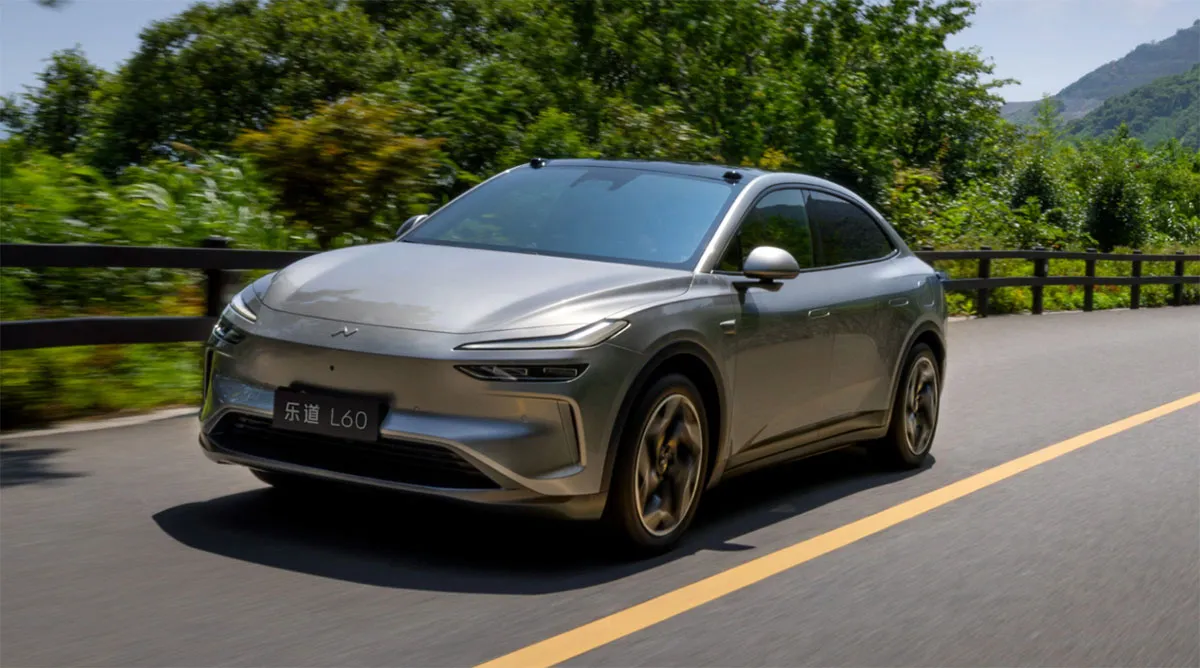
Onvo currently markets two models, the L60 and L90, and allows customers to flexibly upgrade or downgrade battery capacity through its battery swap network. Shen said the company is expanding battery availability at swap stations to improve user experience and cushion the impact of the recent withdrawal of vehicle trade-in subsidies.