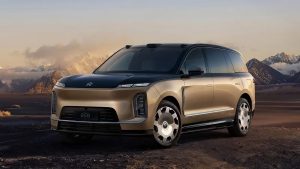



Nio launched the third-generation ES8 sport utility vehicle (SUV), the latest iteration of its first mass-produced model, with reduced pricing and upgraded specifications aimed at strengthening its position in China’s premium EV market.
The new ES8, unveiled at Nio Day 2025 in Hangzhou, starts at RMB 406,800 ($57,170) with a 100-kWh battery pack, down RMB 10,000 or 2.4% from the pre-sale price. Under the Battery-as-a-Service (BaaS) plan, the starting price is RMB 298,800 with a monthly rental fee of RMB 1,128. Deliveries begin Sept. 21.

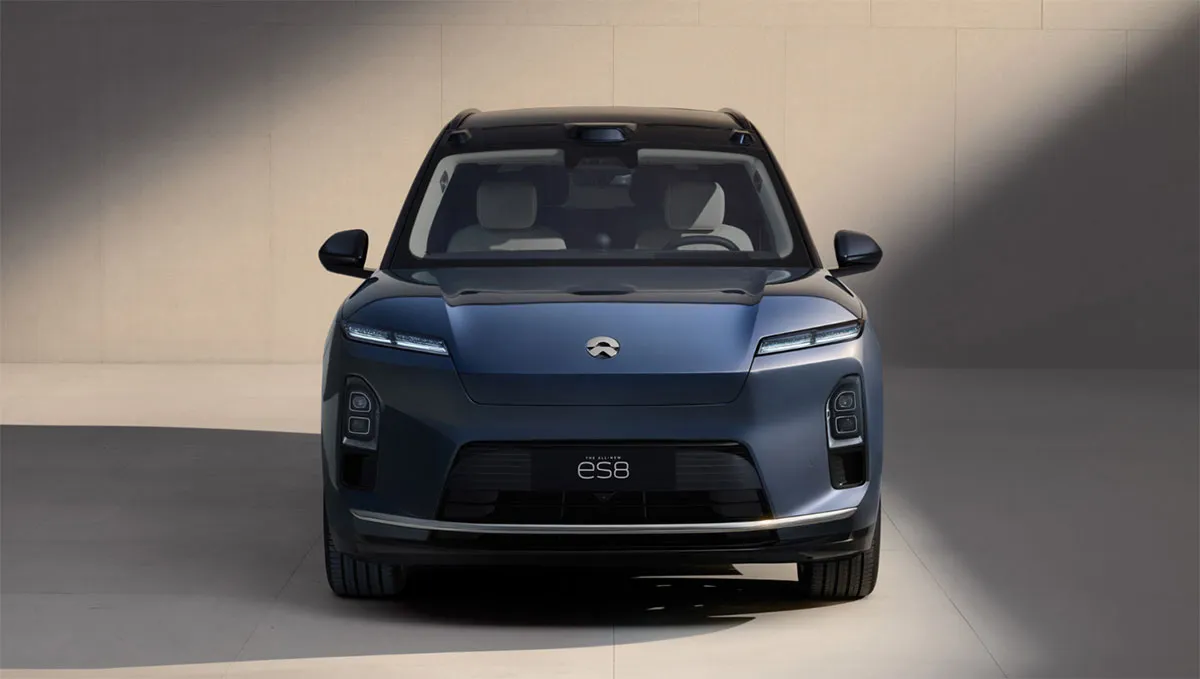
Nio said the ES8’s pricing represents a significant cut compared to previous versions. The new model is RMB 149,200, or nearly 27%, cheaper than the second-generation 100-kWh ES8, while its BaaS plan price is down about 30%. Variants include two Executive Luxury Editions, priced from RMB 406,800, and an Executive Signature Edition starting at RMB 446,800.
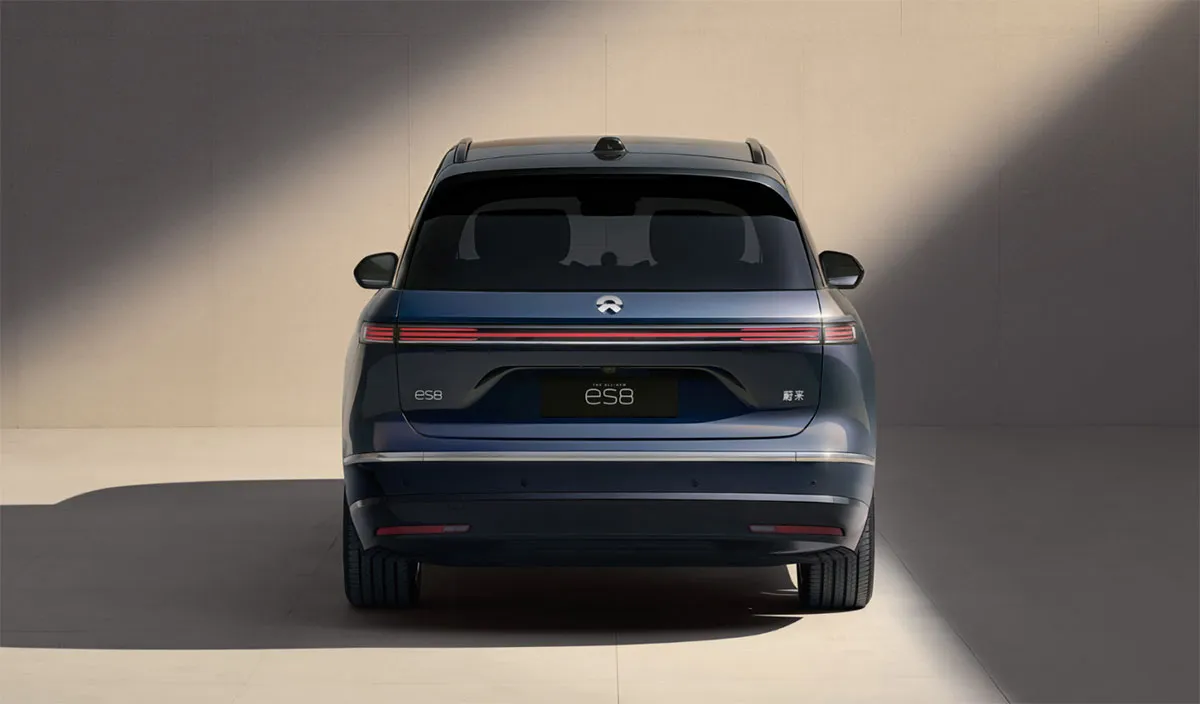
The third-generation ES8 runs on the NT 3.0 platform, shifting the vehicle from a mid-to-large SUV to a full-size SUV. At 5,280 mm in length, it is the longest pure-electric SUV currently in China. It comes equipped with a 900-volt high-voltage system, delivering 635 km CLTC range on its 100-kWh battery, with a 120-kWh 5C fast-charging option to follow.

“Our goal is to ensure production capacity for more than 40,000 units this year,” Nio’s founder and CEO William Li said, adding that customers would be compensated if delayed deliveries affect their eligibility for tax incentives. Nio has forecast monthly production of up to 15,000 units by December and aims for 150,000 total deliveries in the fourth quarter.
The ES8 features Nio’s in-house developed Shenji NX9031 smart driving chip, replacing Nvidia’s Orin X, alongside a dual-motor setup producing 697 horsepower for 0–100 km/h acceleration in under four seconds.

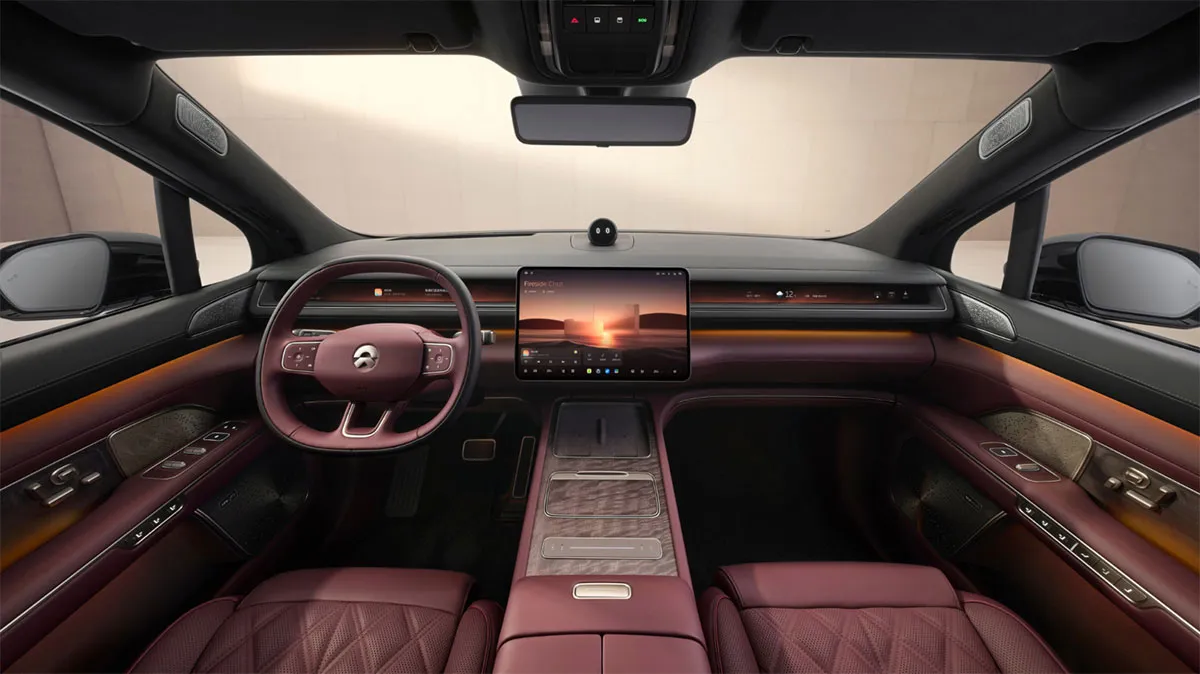
The ES8, first launched in 2017 and updated in 2022, has been instrumental in establishing Nio’s premium brand image, though deliveries have remained modest. Analysts say the latest version, with a combination of lower prices and enhanced performance, could expand its appeal in China’s competitive high-end EV segment.