


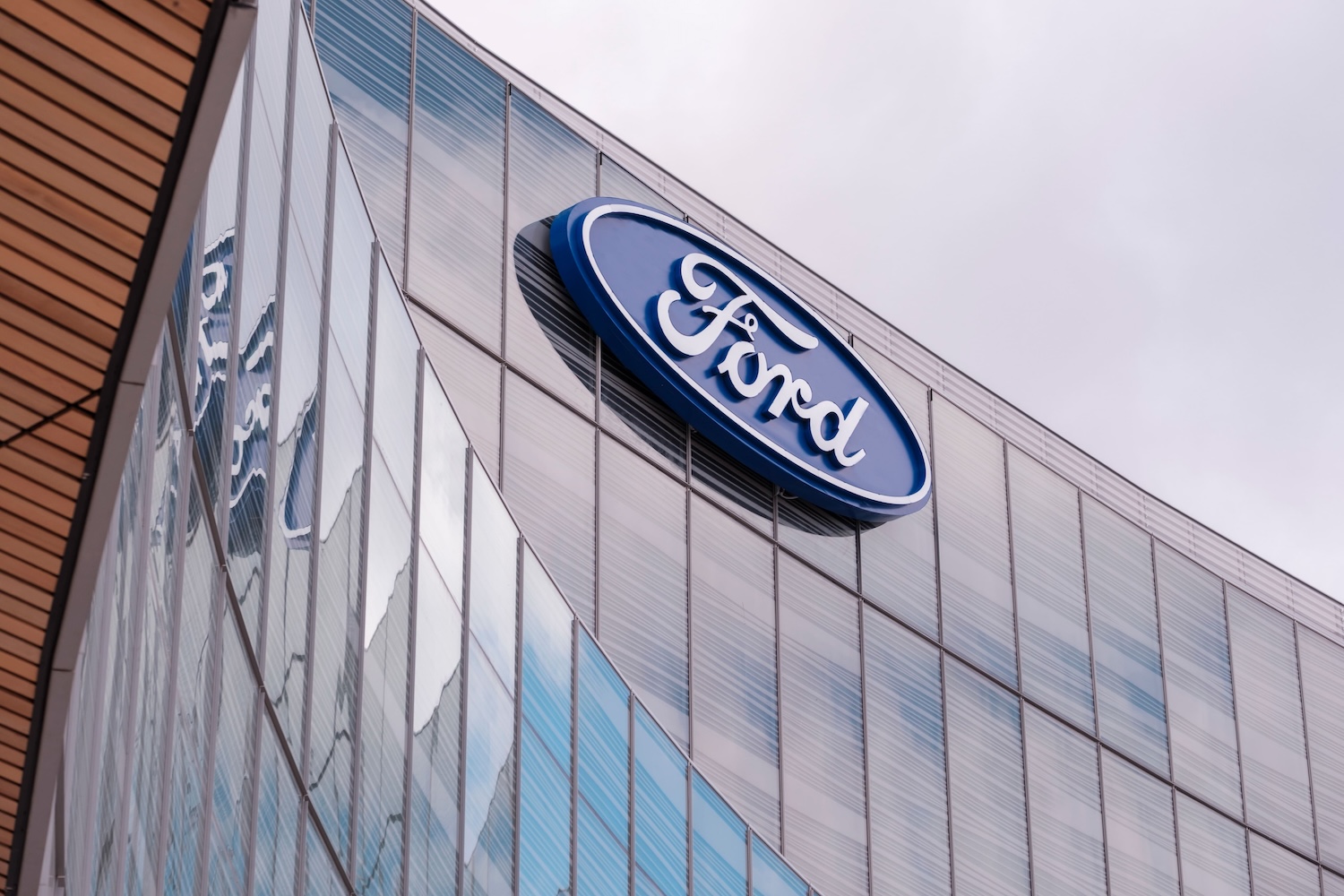
Ford is facing renewed scrutiny from the US government over its partnerships with Chinese companies, including battery manufacturer CATL and automaker Geely. US Transportation Secretary Sean Duffy has urged Ford to reconsider its relationships with Chinese firms, citing concerns over technology dependence and broader ties with companies from China. InsideEVs reported on Duffy’s letter to Ford CEO Jim Farley.
US Transportation Secretary Questions China Ties
In the letter, Duffy expressed “deep concern” about Ford’s relationships with Chinese companies. The review includes Ford’s cooperation with Geely, the production of certain Lincoln models in China and, in particular, its partnership with CATL.
Ford Reveals Fathom As New Electric Pickup Starting Under $30,000
Ford plans to use technology licensed from CATL to manufacture lithium-iron-phosphate (LFP) battery cells at its BlueOval Battery Park Michigan. Duffy described the continued reliance on CATL technology as a significant concern.
Chinese battery manufacturers, including CATL, are among the leading producers of LFP battery technology, which is increasingly used in electric vehicles.
Ford Defends CATL Agreement
Ford has rejected the criticism and emphasized the ownership and operating structure of its Michigan battery plant.
The facility is fully owned and controlled by Ford and is operated by Ford employees, according to the automaker. Ford said its relationship with CATL is limited to a technology and services agreement and does not involve a joint venture or a Chinese-owned production facility.
The arrangement allows Ford to manufacture LFP battery cells in the United States while using CATL’s technology and technical expertise.
Ford Advances US-Made LFP Battery Production Ahead of Affordable EV Launch
Ford argues that the approach differs from importing finished Chinese-made batteries because the company is establishing domestic battery production while licensing technology from the Chinese supplier.
The automaker characterized Duffy’s letter as a misguided attempt to generate headlines.
Michigan LFP Production Moves Forward
The CATL relationship has been politically controversial for some time, but Ford continues to expand battery production at its Michigan facility.
The LFP cells produced at the plant are intended for Ford’s upcoming electric vehicles. The company maintains that domestic production will provide greater control over its battery supply chain while allowing it to use established LFP technology.
The partnership nevertheless remains subject to increased political scrutiny as the US government examines the involvement of Chinese companies in critical automotive technologies and supply chains.
Geely Partnership Also Under Review
Duffy’s concerns extend beyond Ford’s battery relationship with CATL to the automaker’s growing cooperation with Geely.
Ford and Geely formalized their European partnership in July. Under the agreement, two electric SUVs from the Chinese group are scheduled to be produced at Ford’s Valencia plant in Spain starting in 2028.
The companies also plan to jointly develop another vehicle for the European market.
Ford Energy Pursues Additional Contracts as Battery Storage Business Takes Shape
The European cooperation adds another dimension to Ford’s relationship with Chinese automotive companies, as the automaker simultaneously expands its use of Chinese battery technology in the United States and works with a Chinese vehicle manufacturer in Europe.
The scrutiny highlights the increasingly complex relationship between global automakers and Chinese technology and manufacturing partners as companies seek to reduce costs and accelerate electric vehicle development while navigating growing geopolitical and supply-chain concerns.


