




Mercedes-Benz is shifting development of a new electric vehicle platform to China and plans to base it on technology from its Chinese partner Geely Auto, according to a Chinese media report.
The new entry-level EV platform, codenamed Phoenix, will be developed using Geely’s GEEA (Geely Electronic & Electrical Architecture) 4.0 platform, Chinese outlet 36Kr reported on Thursday, citing people familiar with the matter.
Under the reported restructuring, the Mercedes-Benz China R&D Center will become the global headquarters for compact vehicle development. The facility will independently oversee the design and engineering of future compact models, with the Phoenix platform expected to be the first project managed under the new structure.
The move would mark the first time the 130-year-old German luxury automaker has granted independent development authority for a new vehicle platform to an R&D team outside its headquarters in Germany, the report said.
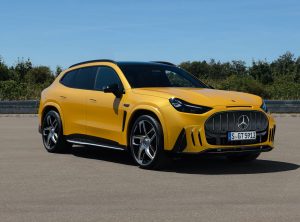
The Phoenix platform is expected to enter mass production by around 2030 and will underpin globally sold compact models including the A-Class, B-Class, and CLA, according to the report.
Cost reduction is seen as a key factor behind the collaboration. Mercedes-Benz executives have made several visits to Geely’s research and development center as part of the process, 36Kr reported.
Internal assessments and vehicle teardown analyses reportedly showed Geely’s vehicle architecture offers advantages in cost control — an important consideration as Mercedes-Benz seeks to improve profit margins.
The strategic adjustment also comes as the automaker faces increasing competition in China’s premium vehicle segment from domestic brands such as Nio and Aito.
According to a separate report by 36Kr last month, preliminary supply chain data indicated that Mercedes-Benz’s projected annual production volume for locally built models in China could fall below 500,000 units in 2026, close to the company’s sales levels in the country about a decade ago.
Mercedes-Benz sold around 550,000 vehicles in China last year, representing a 19% year-on-year decline. Sales of its all-electric CLA also reportedly saw a slow start after its market debut.
The decision to place development of the Phoenix platform under its China R&D center — which employs roughly 2,000 staff — signals Mercedes-Benz’s intent to make greater use of China’s EV supply chain and engineering capabilities.


