
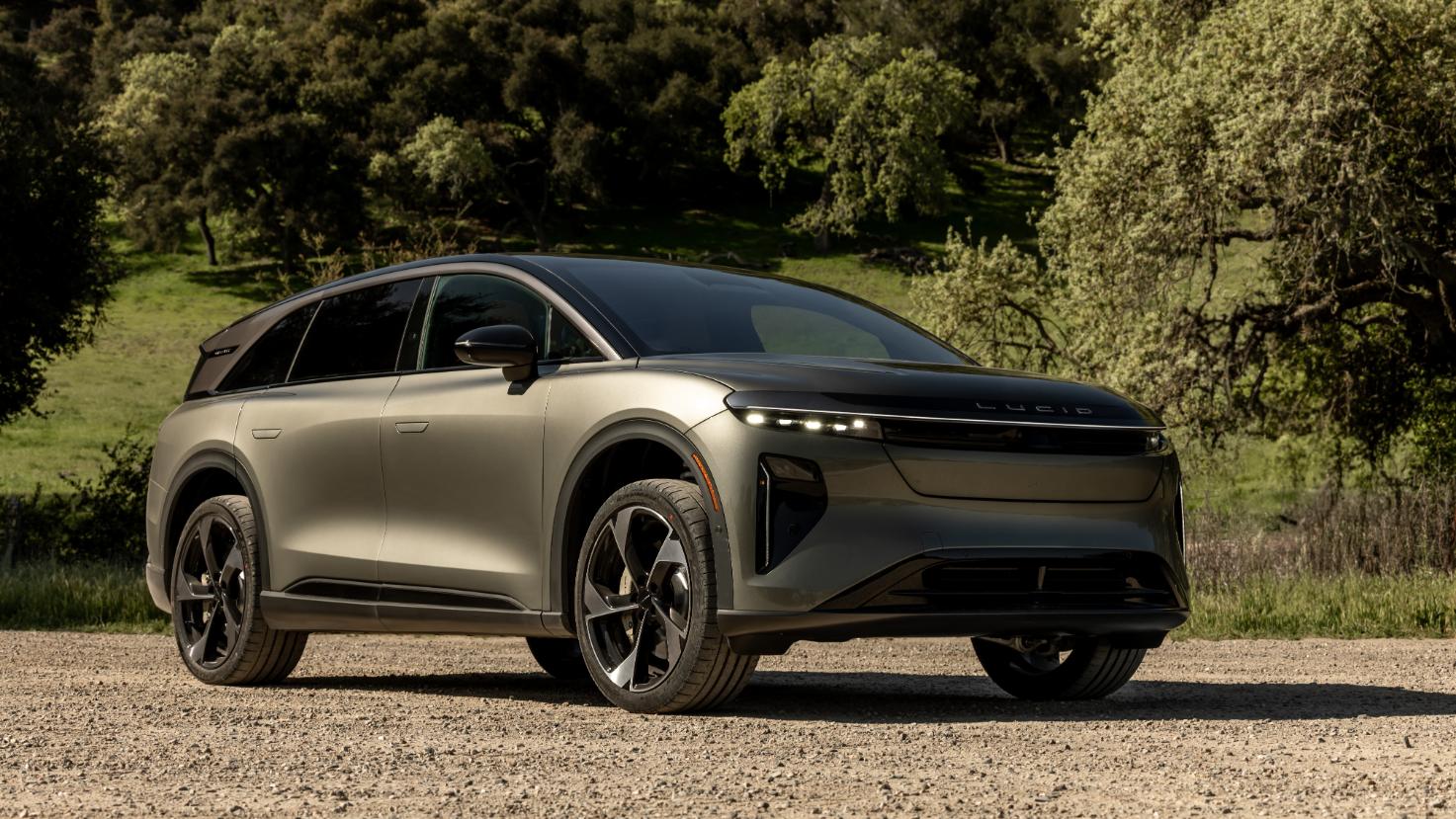
Lucid Group said on Tuesday that production of its Gravity SUV is ramping up more slowly than anticipated due to supply chain bottlenecks and limited access to rare earth magnets from China, prompting the electric vehicle startup to lower its full-year output guidance.
The California-based company now expects to produce between 18,000 and 20,000 vehicles in 2025, slightly down from its earlier projection of 20,000 units. The Gravity, Lucid’s second model and first SUV, is considered critical to the company’s growth as it aims to transition beyond its Air luxury sedan and scale up manufacturing.
See also: Lucid Lowers Annual Output Forecast, Misses Revenue Estimates Amid Tariff Concerns
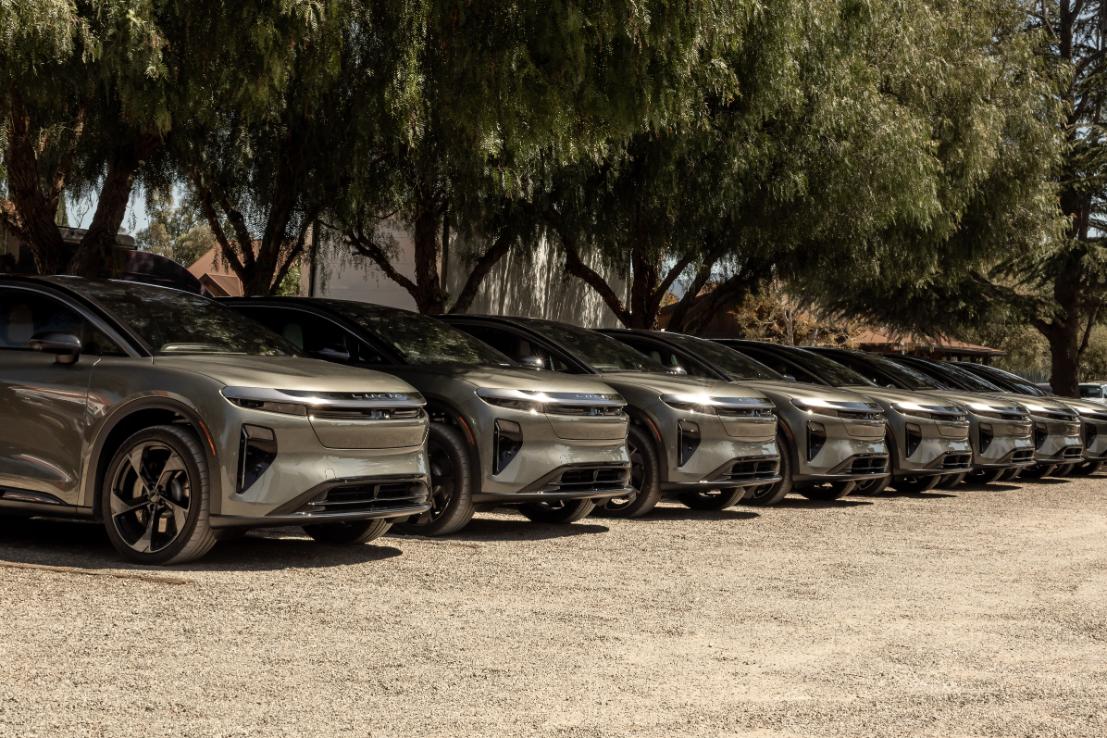
“I feel that it is important to acknowledge that we are not where we want to be with Lucid Gravity production relative to our target at this point in the year,” interim CEO Marc Winterhoff said during a call with investors.
The company attributed the production lag to two main factors: insufficient supplier capacity and a shortfall in rare earth magnets used in EV motors. China, a dominant global producer of these magnets, began restricting exports earlier this year following trade tensions with the U.S., complicating sourcing for American automakers. Lucid said it has now secured adequate alternative magnets to support production through year-end.
See also: Trade Tensions and Incentive Cuts Put Pressure on Rivian and Lucid’s EV Strategy
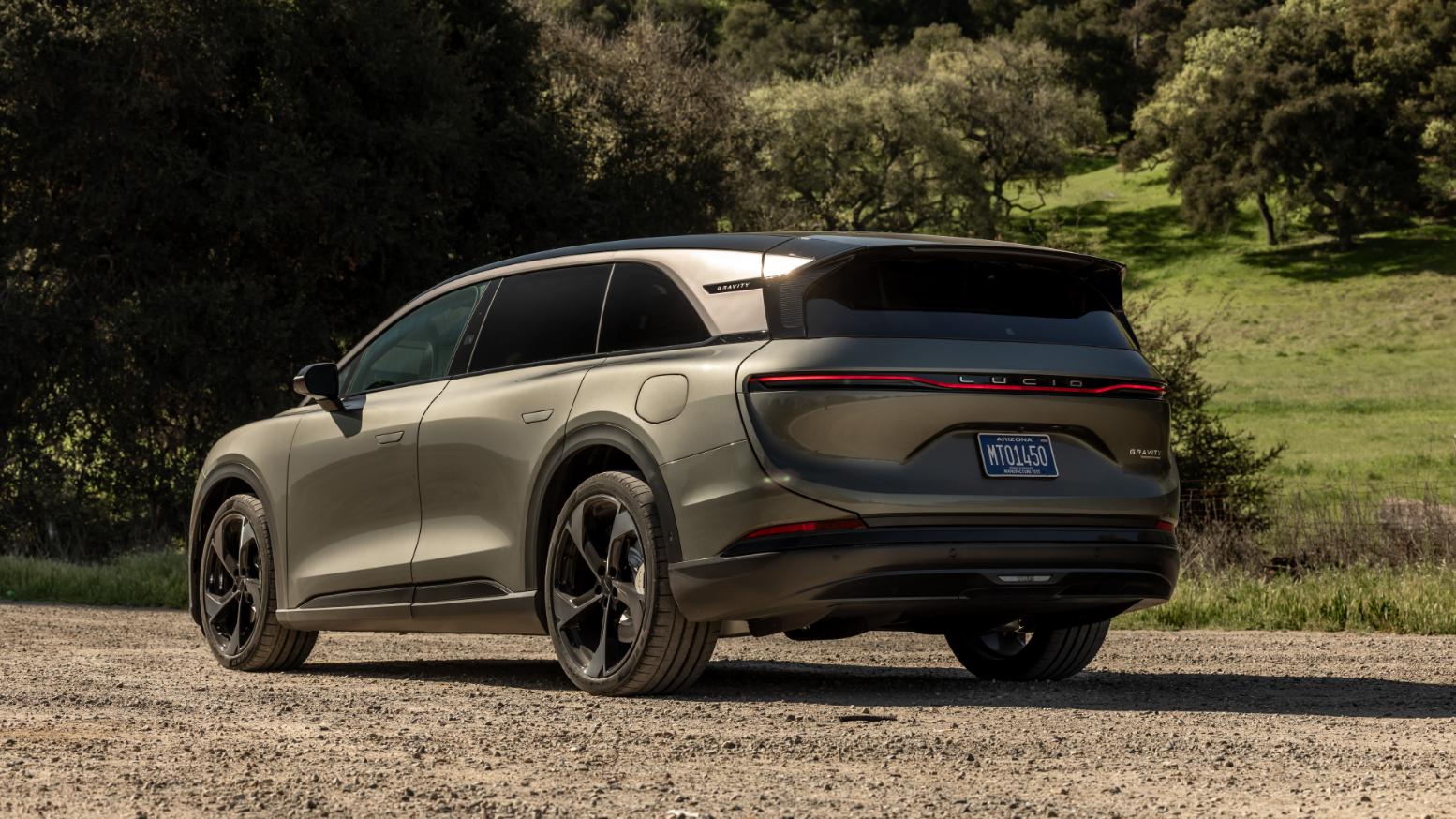
Lucid reported $259 million in revenue for the second quarter and posted an adjusted EBITDA loss of $632 million. Its shares declined around 9% in after-hours trading.
Winterhoff noted that the company expects a “significant” increase in production in the second half of the year and reaffirmed its plans to launch a midsize SUV—expected to start around $50,000—in 2026, with a full reveal set for next year.
See also: Lucid Gravity Dream Edition Matches Rivian and Porsche in Drag Race Showdown
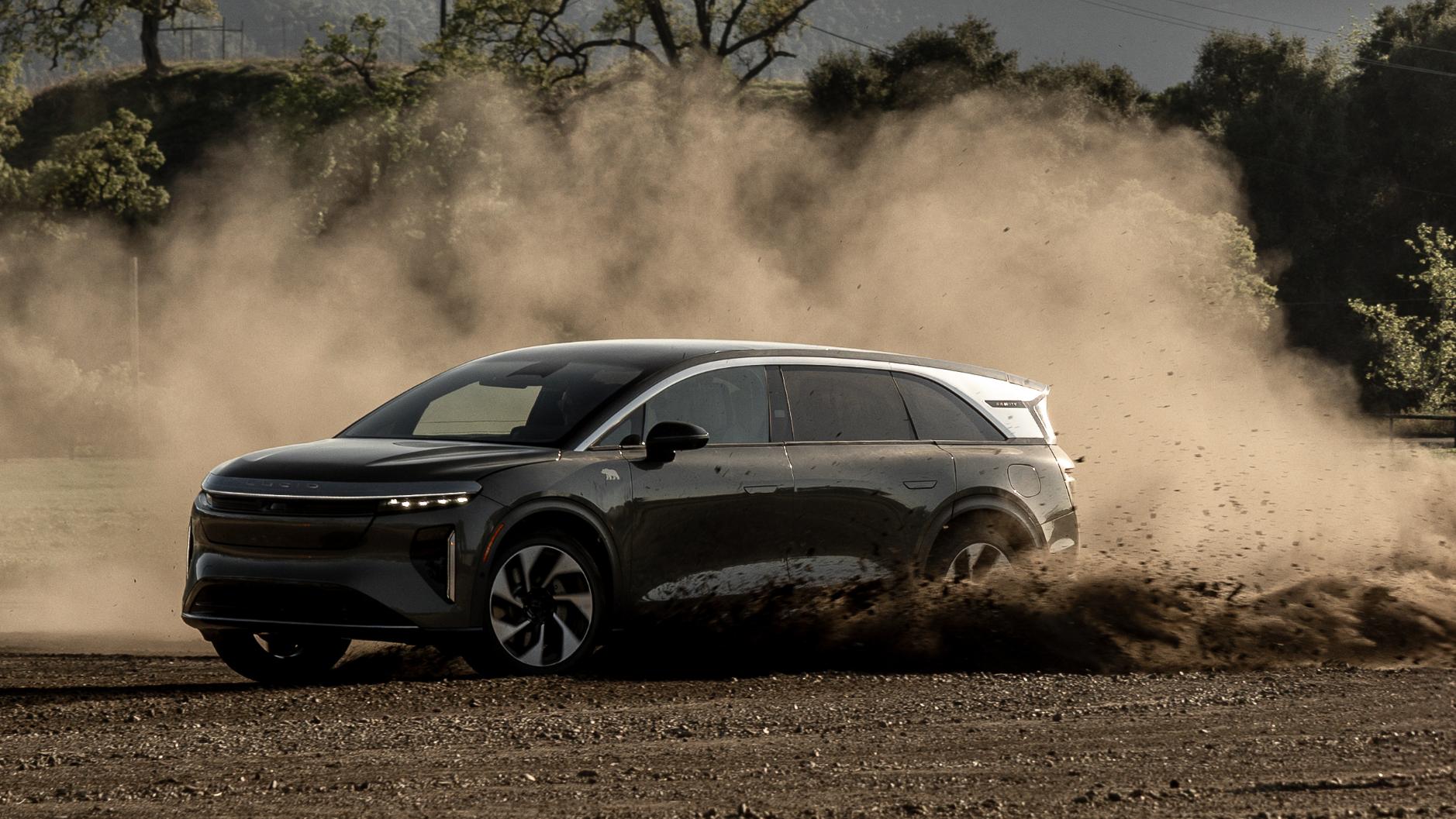
Electric vehicle startups like Lucid and Rivian continue to navigate shifting U.S. trade and regulatory policies. Rivian, which also reported earnings on Tuesday, warned that tariffs on components will raise vehicle costs and that declining regulatory credit sales may deepen annual losses.
Lucid began limited Gravity deliveries late last year, mainly to company insiders. Broader customer deliveries were targeted for late April, but the company has not released model-specific delivery figures. Third-party data indicates that the Air sedan still comprises the bulk of Lucid’s 2025 U.S. sales so far.