
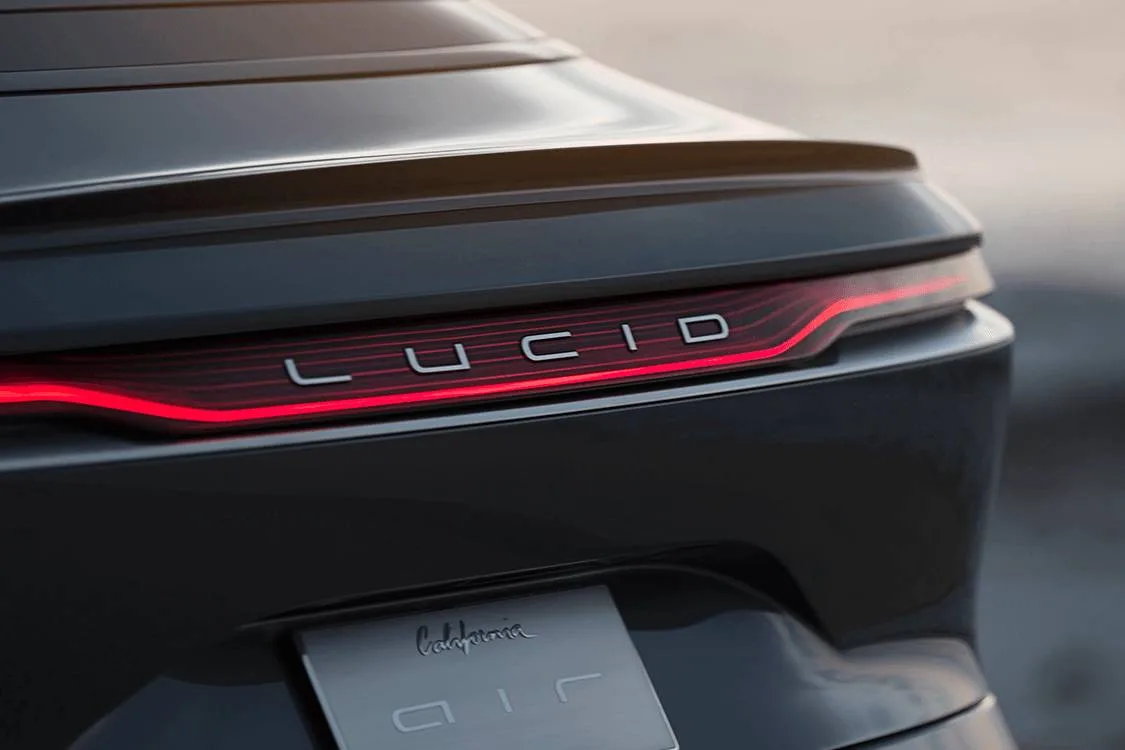
Lucid Group on Tuesday reduced its annual production forecast and reported second-quarter revenue below Wall Street expectations, as U.S. trade tensions and higher borrowing costs weigh on consumer demand for big-ticket purchases such as electric vehicles.
The company now expects to build between 18,000 and 20,000 vehicles this year, down from its prior estimate of 20,000 units.
See also: Lucid Introduces Hands-Free Driving Capabilities to Air Sedan via Software Update
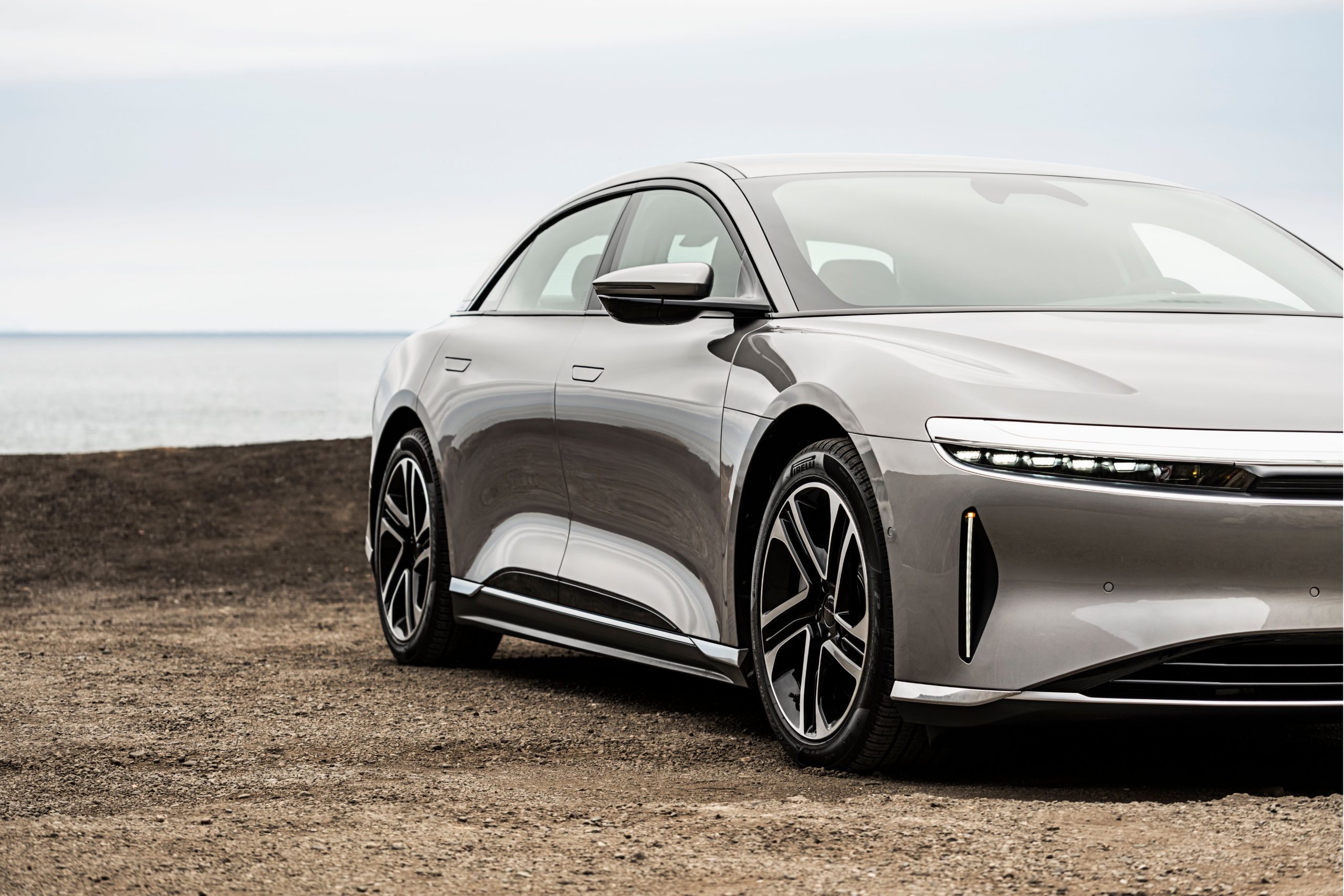
Revenue for the second quarter came in at $259.4 million, missing analyst estimates of $279.9 million, according to LSEG data. Adjusted loss per share was 24 cents, wider than the expected 21 cents.
While deliveries of Lucid’s luxury EVs rose during the period, the company faces mounting pressure from rising import tariffs that could increase vehicle prices by thousands of dollars and disrupt supply chains. Lucid is seeking to reduce exposure by partnering with North American suppliers to source critical minerals for its EV manufacturing.
See also: Lucid Joins U.S. Mineral Producers in New EV Supply Chain Initiative
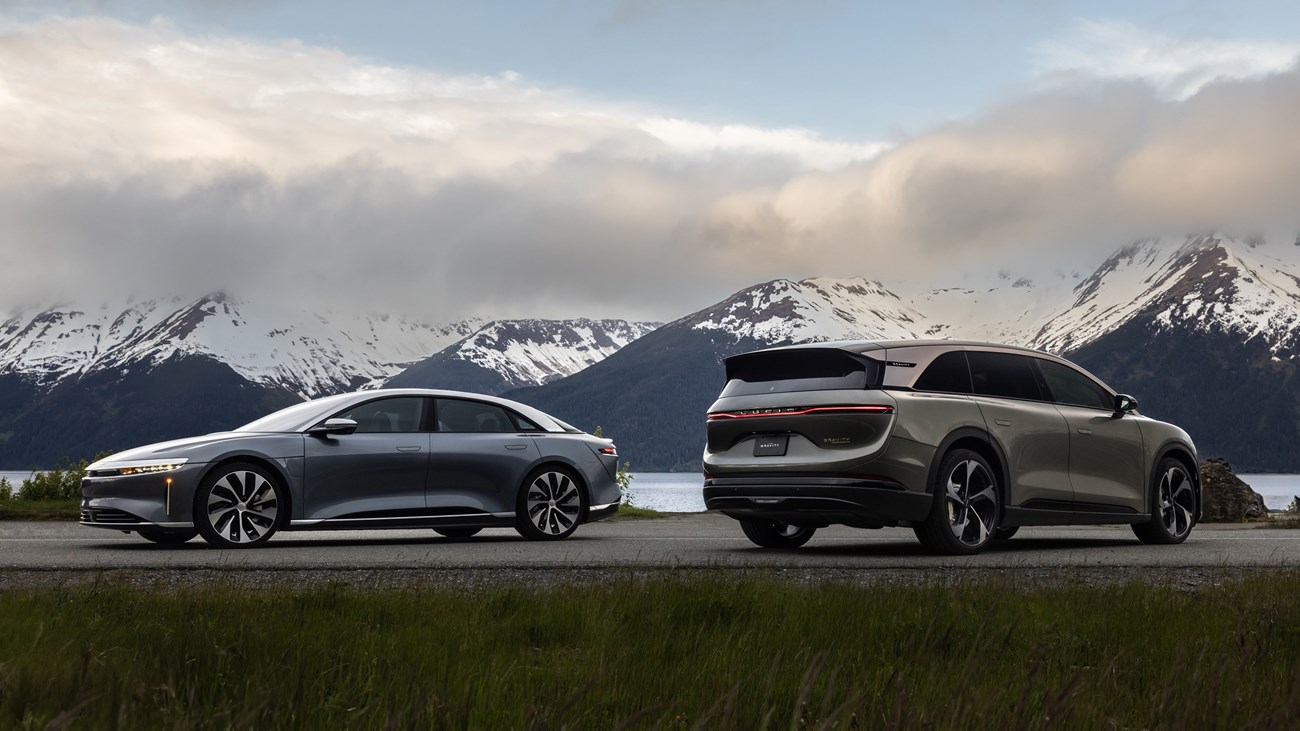
The company’s growth strategy hinges on the success of its recently launched Gravity SUV and an upcoming mid-size electric car priced around $50,000, aimed at broadening its customer base.
Competition in the U.S. market remains intense, with Tesla promoting its refreshed Model Y and Rivian rolling out updated versions of its R1T truck and R1S SUV.
See also: Lucid Enhances 2026 Air Lineup with Improved Range, Quieter Cabin, and Standard Charger
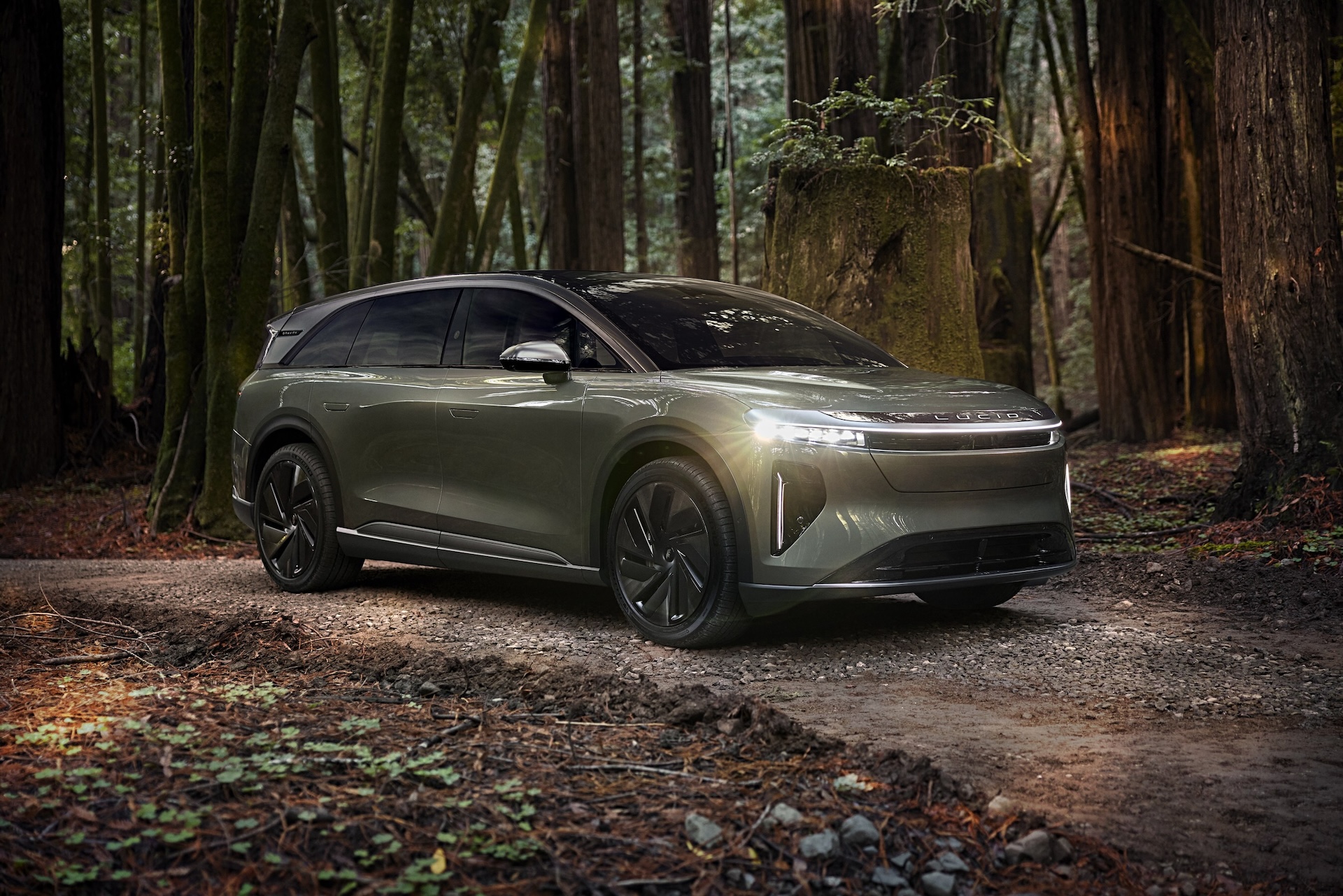
In a bid to diversify revenue, Lucid last month signed a deal with Uber under which the ride-hailing firm will acquire more than 20,000 Gravity SUVs equipped with autonomous technology from startup Nuro over six years starting in 2026.
As part of the agreement, Uber will invest $300 million in Lucid as both companies work to enter the robotaxi market.