




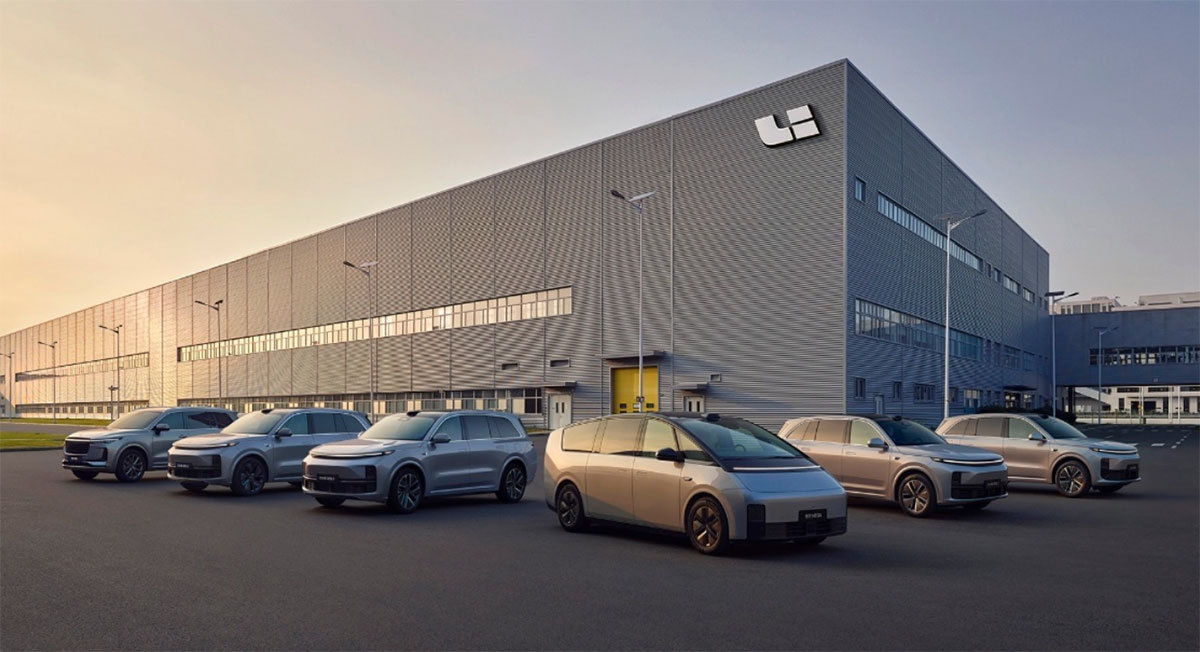
Li Auto said it will begin deploying its in-house developed M100 smart driving chip in mass-produced vehicles next year, becoming the latest Chinese electric vehicle (EV) manufacturer to commercialise a proprietary autonomous driving processor following similar moves by Nio and Xpeng.
The company disclosed the plan for the first time during its latest earnings call, officially naming the M100 as an AI inference chip. Li Auto said it is currently conducting large-scale system testing on vehicle controllers built around the chip, with commercial deployment targeted for next year.
See also: Li Auto Revises Product and Overseas Strategy Amid Sales Slowdown

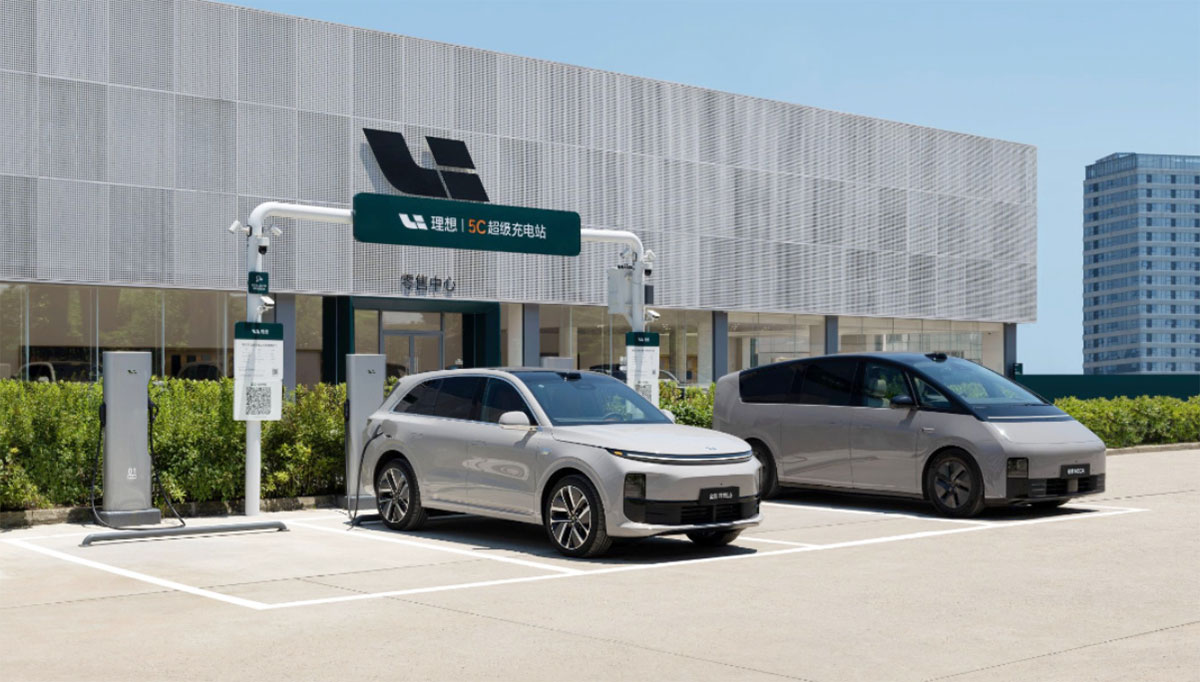
The M100 was developed alongside Li Auto’s base model, compiler and broader software system. Management said the chip is expected to deliver at least three times the performance of current high-end chips at comparable costs within its next-generation autonomous driving platform based on its VLA (Visual-Language-Action) model.
Li Auto also said it will upgrade its smart driving system architecture at the end of December to strengthen the interaction between language and behavioural information, optimise decision-making and fully adapt the new chip.
“We believe that in 2026 — next year — when our M100-based AI system begins delivering value in production vehicles, we’ll see truly transformative changes in both value and experience,” founder, chairman and CEO Li Xiang said during the earnings call.
See also: Li Auto Forms Battery Joint Venture With SEVB to Strengthen Supply Chain

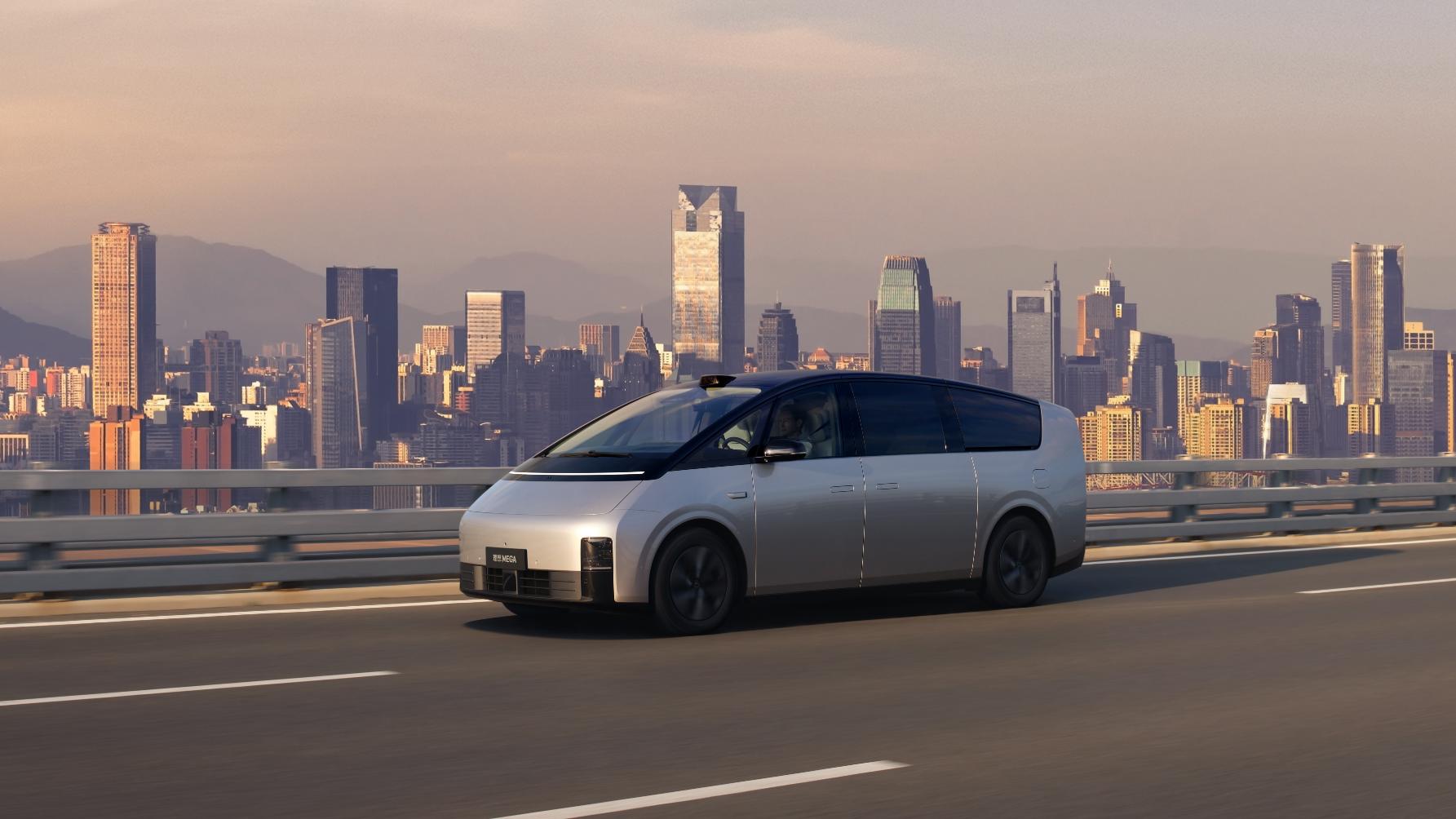
China’s push toward in-house semiconductor development has accelerated as automakers seek to reduce reliance on foreign suppliers. Nio began its chip programme in 2021 and unveiled its Shenji NX9031 autonomous driving chip in late 2023, which now features in several of its production models. Xpeng has also announced deployment of its proprietary Turing AI chips across multiple vehicles and robotics platforms.
Li Auto said it will continue to rely on existing partners Nvidia and Horizon Robotics until the M100 reaches full production readiness.
Source: CNEVPOST


