



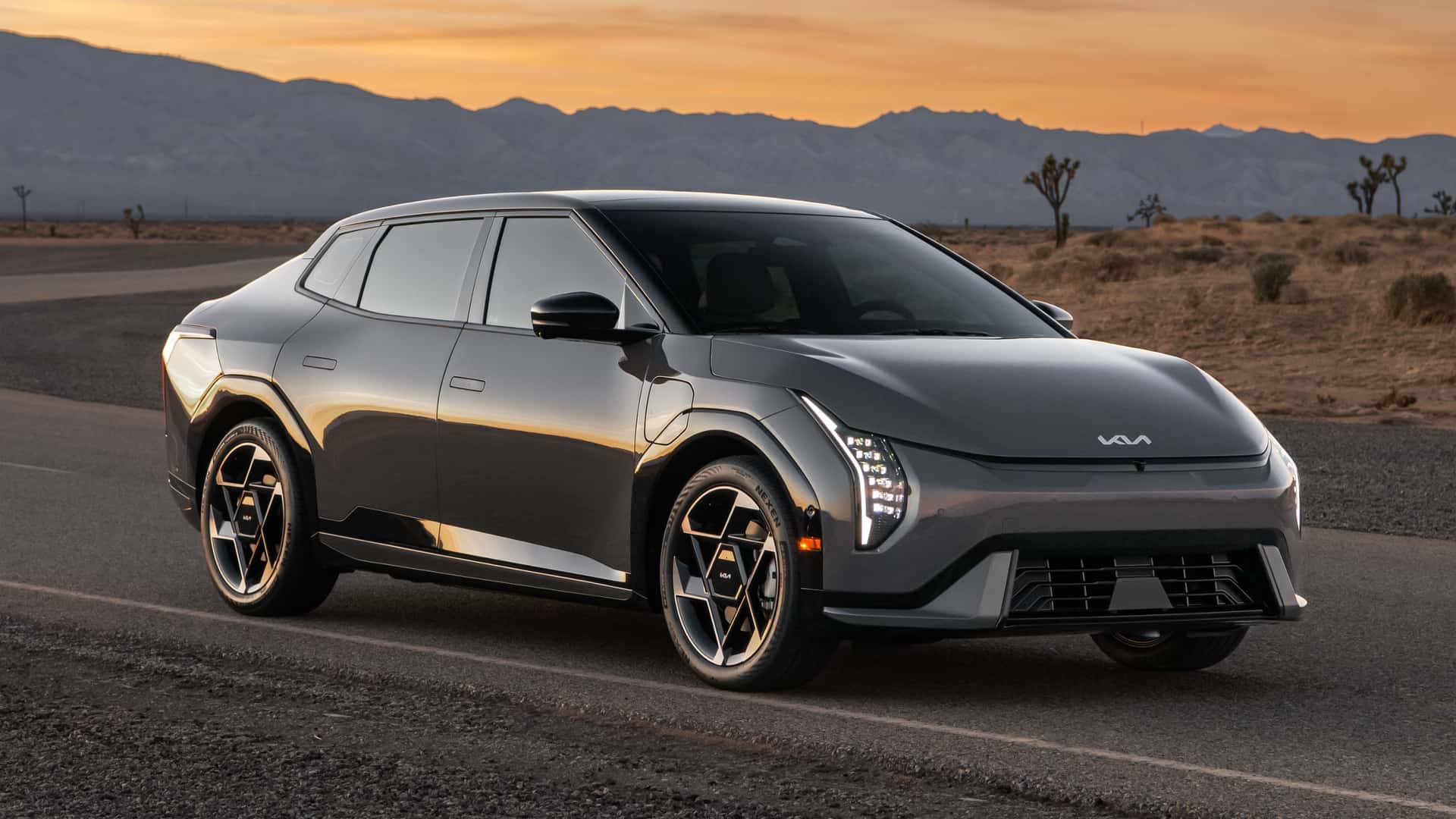
Kia has indefinitely postponed the US launch of its EV4 Fastback, a model originally intended to compete with the Tesla Model 3, citing deteriorating market conditions. The decision reflects a combination of higher import tariffs, changes in government incentives, and shifts in consumer demand.
The EV4 Fastback, manufactured in South Korea, would have faced 15 percent tariffs under the Trump administration, making the vehicle more expensive for US customers. While earlier plans under the Biden administration retained duty-free access for Korean passenger cars under the KORUS Free Trade Agreement, the expiry of US federal EV tax credits on 30 September has further reduced market incentives for fully electric vehicles.
See also: Kia to End Soul Production in October 2025 as It Expands Electric and Hybrid Lineup

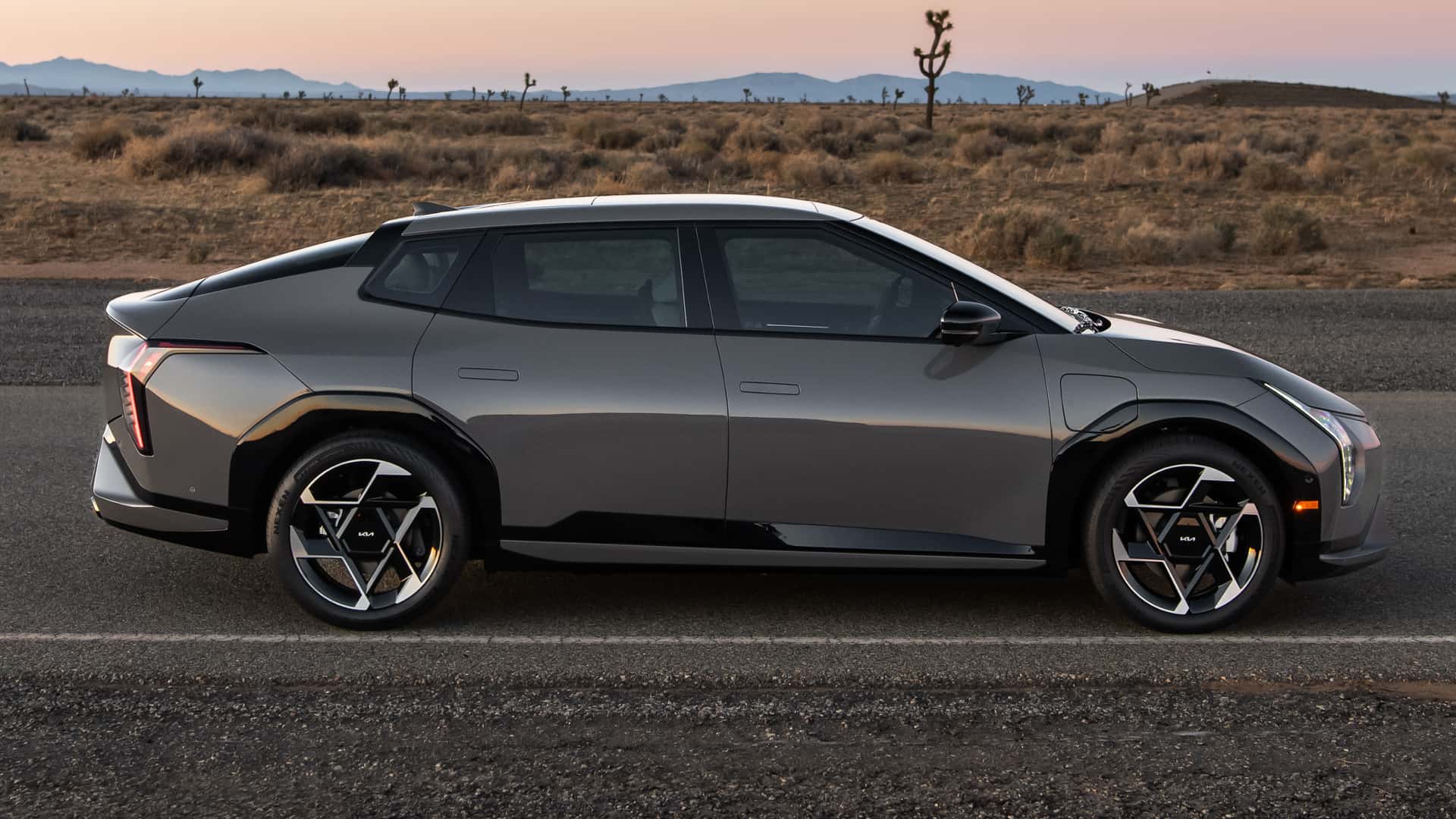
A Kia spokesperson confirmed the delay to InsideEVs, stating: “However, as market conditions for EVs have changed, the release of the upcoming EV4 electric sedan will be delayed until further notice.” The company indicated that the EV4’s US launch is no longer a priority and may never materialize.
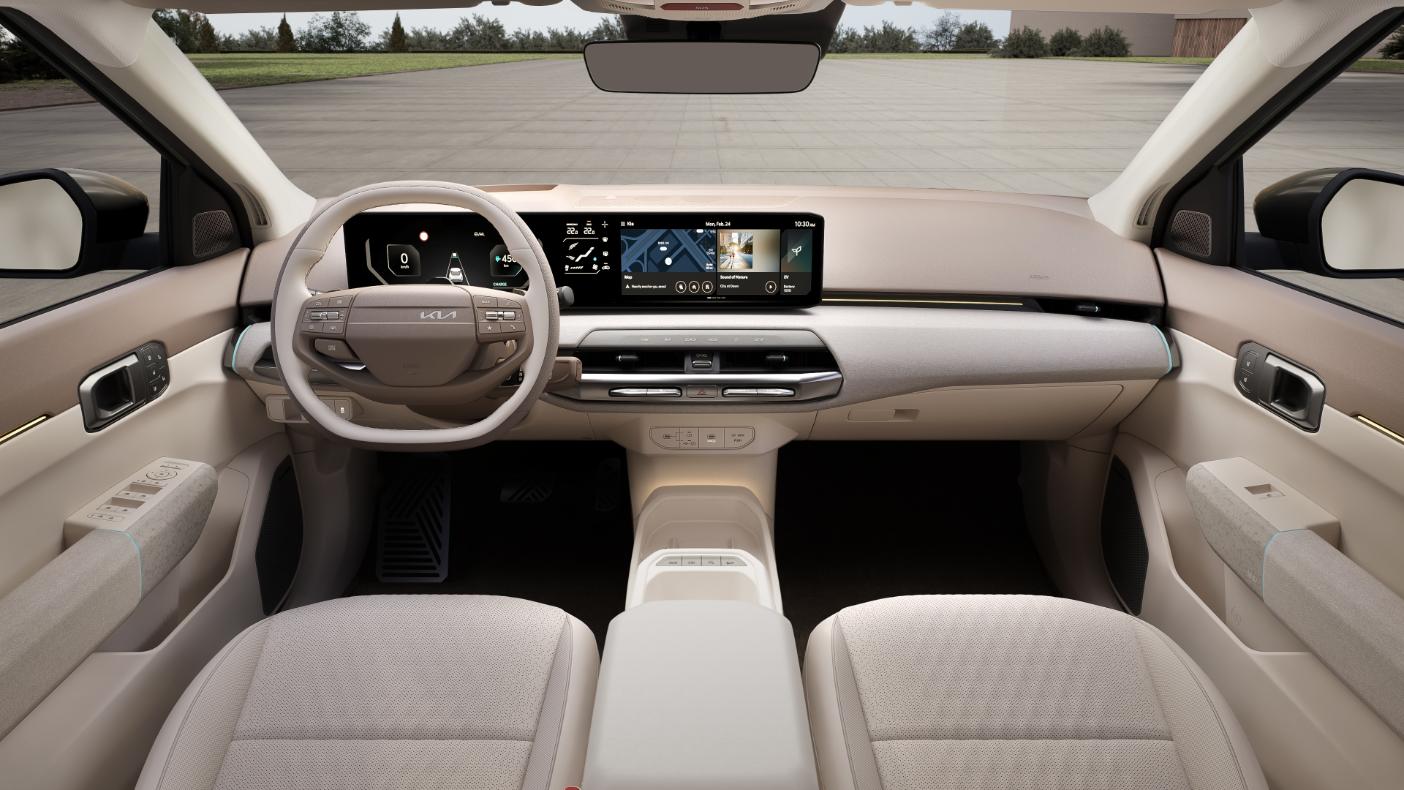
The EV4 Fastback is already established as a popular compact sedan in Europe, offering a modern infotainment system, up to 633 km WLTP range, and a high level of comfort. Its technical sibling, the EV3 compact SUV, remains popular in South Korea and Europe, though Kia has also reconsidered its US market prospects.
See also: Kia Plans to Nearly Triple EV Production in Europe with New EV2 and EV4 Models

Kia is not alone in postponing US electric vehicle launches. Volkswagen’s ID.7 and Nissan’s Ariya have faced similar setbacks due to tariffs and market conditions, illustrating the challenges automakers encounter when navigating international EV markets amid shifting political and economic factors.
Source: InsideEVs


