
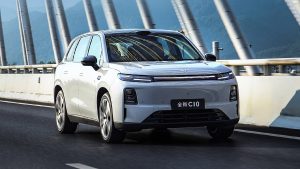




Chinese automaker JETOUR has outlined a comprehensive strategy for hybrid off-road vehicles, combining plug-in hybrid technology with an intelligent four-wheel-drive system across its expanding lineup. The approach centers on three models—the JETOUR T1 PHEV, JETOUR T2 PHEV, and flagship JETOUR G700—all built on a shared technical foundation designed to serve mainstream through premium segments.
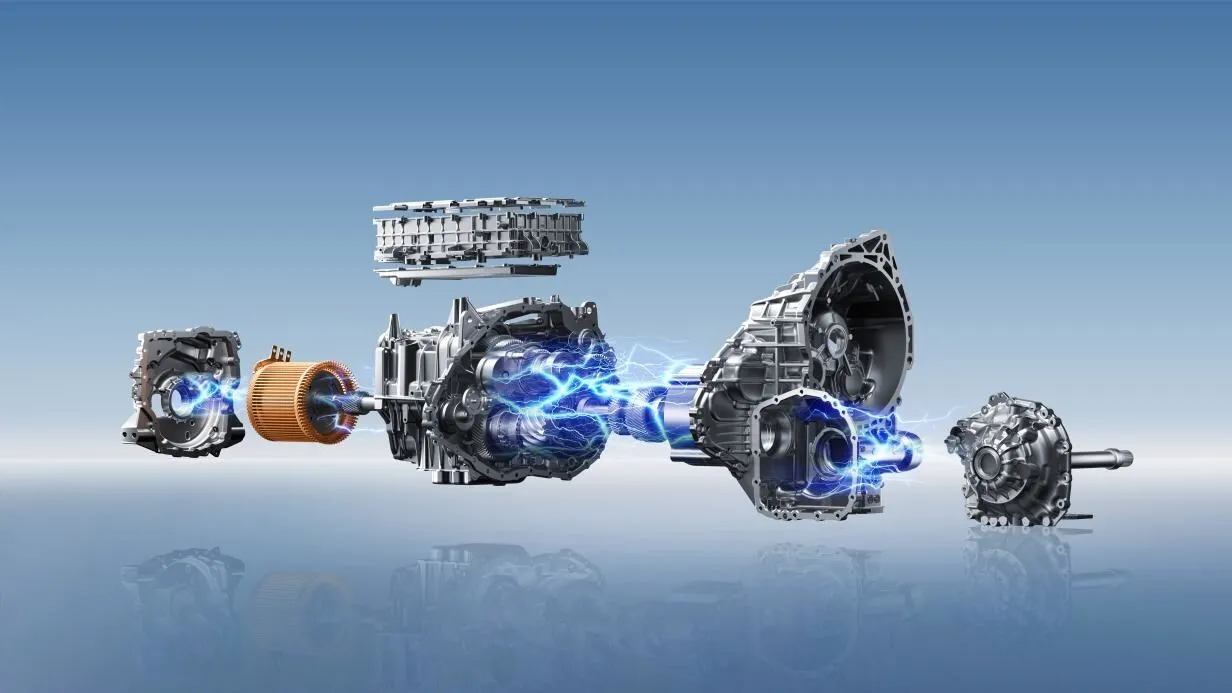
At the core is the company’s GAIA architecture, which integrates a 2.0-litre turbocharged hybrid engine with a dual DHT transmission and a 210-kW P3 electric motor. In the G700’s “Super Hybrid” configuration, the system delivers a combined output of up to 665 kW with a power response time of about 10 milliseconds, enabling near-instant torque delivery. The plug-in hybrid setup allows vehicles to operate in pure electric mode for short trips or combine engine and motor power for extended highway driving.
The vehicles are equipped with JETOUR’s XWD intelligent four-wheel-drive system, which uses a network of sensors to detect terrain conditions and automatically adjust power distribution. The system features “7+X” driving modes, including a rapid-switch X Mode intended to optimize performance across surfaces such as sand, snow, mud, or rock. By coordinating the powertrain, chassis, and body controls simultaneously, the technology aims to reduce reliance on driver skill in demanding off-road scenarios.
Battery technology co-developed with CATL supports both electric commuting and extended-range travel. The electrified drivetrain also contributes to reduced cabin noise and smoother acceleration, addressing comfort concerns often associated with traditional off-road vehicles.
Beyond terrain capability, JETOUR said the platform enables advanced digital features, including smart cockpit systems, large interactive displays, and driver-assistance technologies designed for varied driving conditions. The integrated architecture combines hybrid propulsion, structural design, and intelligent control into a unified system.
The company’s lineup strategy positions the T1 and T2 PHEVs for urban use and light off-road activity, while the G700 flagship targets higher-performance applications. JETOUR said the approach reflects a system-level push to develop electrified off-road vehicles without compromising comfort, efficiency, or technological sophistication.


