



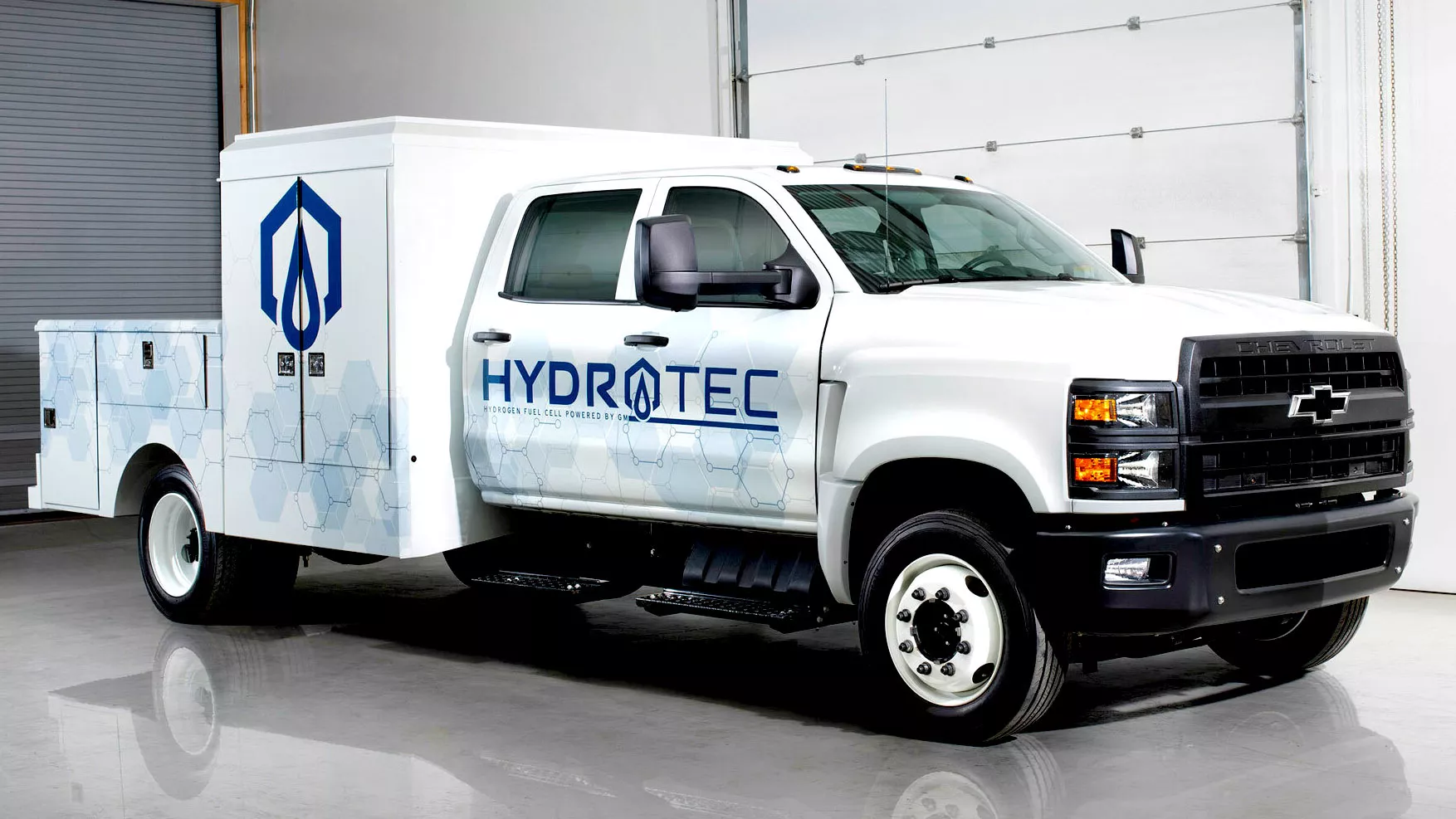
General Motors is discontinuing development of next-generation hydrogen fuel cells under its Hydrotec brand, redirecting its efforts toward electric vehicles, batteries, and charging technologies.
The move comes as high costs and limited hydrogen refueling infrastructure have hindered widespread consumer adoption.
See also: Isuzu, Toyota to Jointly Develop Next-Generation Fuel Cell Route Buses for 2026 Launch
Hydrotec systems had been designed for a range of applications, from vehicles such as the SURUS to heavy-duty mining trucks, and for powering mobile EV charging stations.
Despite ending next-generation vehicle development, GM will continue producing hydrogen fuel cells for industrial uses, including data centers and power generation, through its joint venture with Honda.
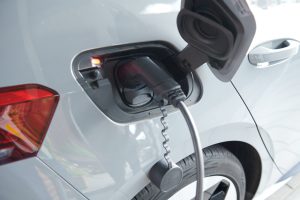
The company cited the rapid expansion of EV charging infrastructure—more than 250,000 Level 2 and faster chargers nationwide—compared with just 61 hydrogen refueling stations, as a factor influencing the strategic shift.
See also: Ballard Power to Unveil New 75 kW Fuel Cell Module for Buses
Hydrogen will remain targeted at high-demand industrial sectors where battery-electric alternatives are less practical, including heavy trucking, mining, and backup power applications.


